
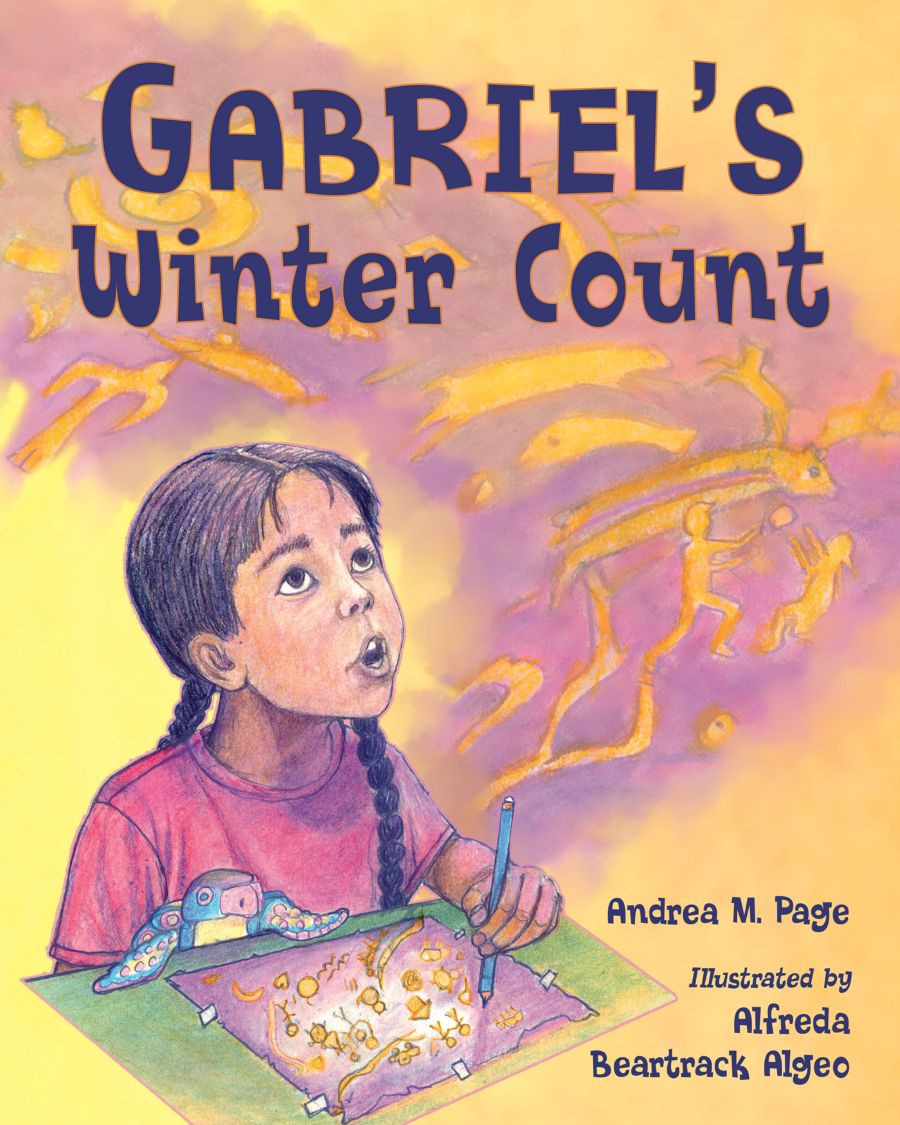
Gabriel’s Winter Count by Andrea M. Page, illustrated by Alfreda Beartrack Algeo; Charlesbridge, 2026.
Gabriel’s Winter Count, a heartfelt intergenerational story that centers on a boy awaiting the return of his parents from service, draws upon the Lakota practice of pictorially chronicling memorable events of the year.
“We share our stories to stay close. I draw what is in my heart, because I am the keeper of our family winter count!”
~ Gabriel, Gabriel’s Winter Count
Why this book? Why will it matter to kids?
Gabriel grows in his parents’ absence, learning self-reliance, resilience, generosity, and the comfort found in family traditions. Readers will relate to his journey and his developing self-awareness.
Why read aloud?
We settle into a safe space as we gather to share a book. As we reflect, exchange thoughts, and explore concepts, we are building background knowledge—and community. When read-aloud sessions are routine, children become comfortable voicing their perspectives. They grow in active listening skills and learn to respect the thoughts, feelings, experiences, and beliefs of others. When we (educators, parents, and caregivers) select age-appropriate, length-appropriate stories based on needs and abilities, we offer children the opportunity to see themselves, see others, find validation, and contemplate solutions to conflicts and challenges that they may not have considered.
Read-aloud sessions are inclusive: there are no reading skills or level barriers, and learning obstacles are mitigated by preparation prior to reading the book aloud. In a read-aloud session there is immersion as well as the comfort of distance from the challenges the characters encounter.
Reading aloud engages listeners, offering a positive, secure, stress-free “learning without struggle” experience grounded in a book, the value of which cannot be overestimated.
“You think your pain and your heartbreak are unprecedented in the history of the world, but then you read. It was books that taught me that the things that tormented me most were the very things that connected me with all the people who were alive, or who had ever been alive.” ~ James Baldwin
Levels and Layers of Learning
Grade level: 1-3
Social-Emotional Learning Themes
Acceptance, connection, courage, creativity, curiosity, dedication, diligence, effort, empowerment, encouragement, fortitude, friendship, generosity of spirit, gratitude, hope, inspiration, integrity, kindness, perseverance, persistence, perspective, relationship skills, resilience, resourcefulness, respect, responsibility, self-assurance, self-awareness, self-reliance, social awareness, tenacity, understanding
Content Area Connections:
Social-Emotional Learning, Social Studies, Community, Native American traditions, English Language Arts, Art
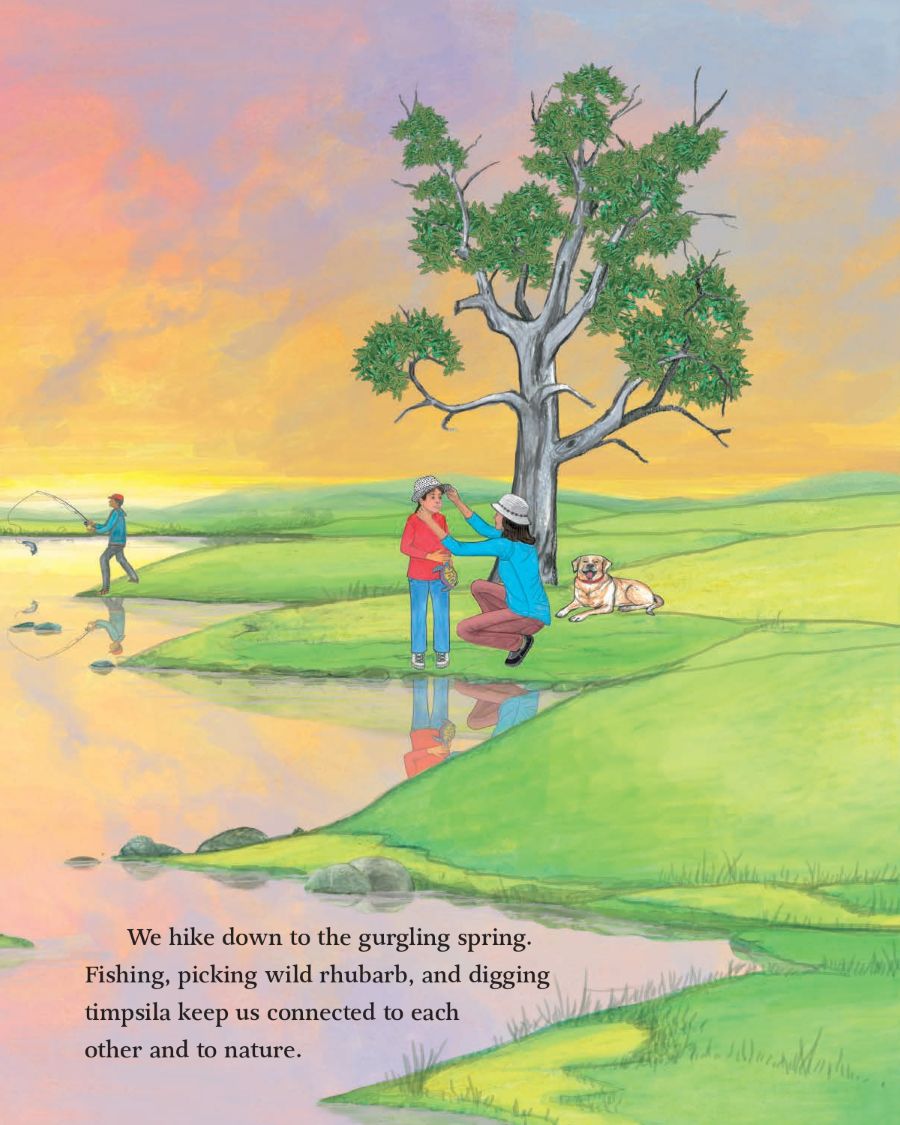
Illustration © 2026 Alfreda Beartrack Algeo
Using This Book in the Classroom
Hit the Ground Running Ready Resources for Educators, Homeschoolers, and Parents
Find information on winter counts, meteor showers, and Native Americans who serve, a Lakota glossary, and more in the book’s back matter.
Learn about Lakota Winter Counts and the 1833 meteor shower known as “The Year the Stars Fell” in this brief, informative Smithsonian Institution YouTube video.
Consider this Campfire Series video prepared by the North Dakota State Parks.
Write Away! Ideas to prompt writing
Reading, writing, listening, and speaking form the core of literacy. In robust literacy instruction we aid students in strengthening the connections between these fundamental processes. Shared reading—and dynamic conversations about text—strengthens reading skills and leads to meaningful writing. Multiple strategies are employed in the process of gaining meaning from reading (background knowledge, text structure, sequence, detail, cause and effect, visualization, summarizing, synthesizing, perspective, and more) and we utilize these strategies in the process of writing. Reading skills support writing, and writing skills support reading.
“[There is} a deep connection between how students read, write, and communicate, and how they develop socially and emotionally.” ~ Justina Schlund, Director of Field Learning for CASEL
Gabriel misses his parents while they are away serving others. He keeps track of events in their absence with a winter count, which is like a picture calendar. Over the next few weeks, make note of important events in your life with pictures and words. Share with your classmates.
Unci says, “Telling stories and writing them down are both ways to remember our history.” Write about an event important to you.
Gabriel forgets to give his parents a gift before they leave, a tradition in his family. How would you feel if you were Gabriel? Explain.
How does Gabriel grow in the time his parents are away?
Repeated throughout the story is, “Lines, design. Create, celebrate.” What does this mean to you? How does it help Gabriel as he awaits his parents’ return?
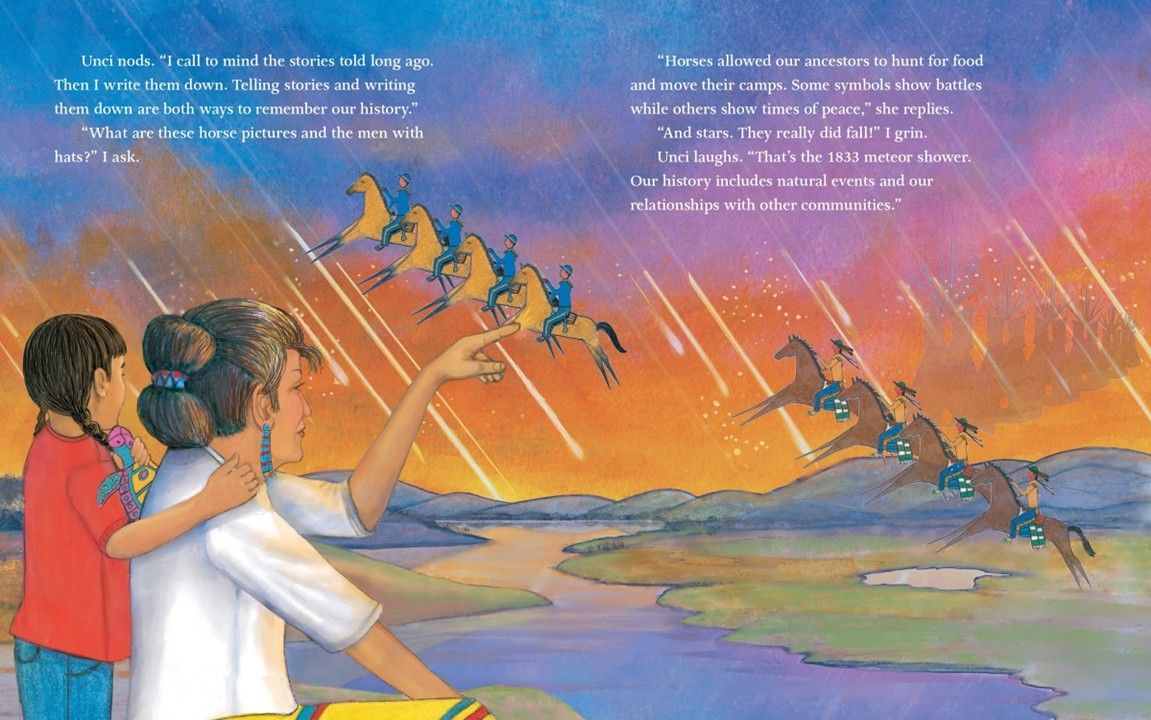
Illustration © 2026 Alfreda Beartrack Algeo
Poetry Break Related poetry to recite before or following the reading of this book
Poetry breaks fit perfectly into the framework of the school day. These brief moments can signal change, smooth or frame transitions—from beginning or ending the day to lining up for lunch; from zipping up backpacks and jackets to shifting from one subject to the next. Poetry breaks can reset mood or tone, providing a moment to pause, reflect, and breathe. Reading a poem aloud typically takes less than a minute, yet it can introduce or reinforce a concept, provide clarity, celebrate language, exemplify rhythm, enhance vocabulary, expand understanding, increase attention span, initiate reflection, spark imagination, or simply summon a giggle. And, poetry soothes and strengthens the spirit.
“Poetry builds resilience in kids and adults; it fosters Social and Emotional Learning. A well-crafted phrase or two in a poem can help us see an experience in an entirely new way.” ~ Elena Aguilar
Related Poetry Collection
- We Are Grateful by Traci Sorell, illustrated by Frané Lessac
New Release in Poetry
- La Bandera: Poems of Resistance and Pride by Anika Aldamuy Denise, illustrated by Ericka Lugo; poems reflect the pride and history of Puerto Rico and the origins of its bandera (flag); English and Spanish editions available
And Then There’s This…
Enrichment activities, related books, online resources, craft projects, and ideas for further study
Refer to the helpful resources at the back Gabriel’s Winter Count.
Lakota Winter Counts Lesson Plan
Book Collection Suggestions
Reading multiple books on a topic allows for deeper understanding and connection. Students’ knowledge base expands, comprehension increases, critical thinking sharpens, conversations deepen, and writing becomes more meaningful.
Recent Releases with Native American Themes
- Along the Good Red Road by Bob Pirner, illustrated by Aly McKnight (Grades 1-3)
- Boarding Schools and the Indigenous Story by Ashley Fairbanks (Grade 5 and up; nonfiction)
- The First Drum I Ever Heard by Randy Preston, illustrated by Tamisha Anderson (Grades Pre-K-1)
- Gathering the Light by Joy Harjo, illustrated by Mangeshig Pawis-Steckley (Grades K-2)
- Indigenous from A to Z by Traci Sorell, illustrated by Natasha Donovan (Grades 1-3)
- Many Ways of Being Native by Ginger Reno, illustrated by Johnson Yazzie (Grades K-2)
- Medicine Wheels by Byron Graves (Young Adult novel)
- Riding the Trail: Cherokees Remember the Removal by Traci Sorel and Will Chavez (Grade 5 and up; nonfiction)
- Stories Are the Heart of the World by Laurel Goodluck, illustrated by Nicole Neidhardt (Grades K-2)
- What Was the Trail of Tears? by Sean Teuton, illustrated by Dede Putra (Grades 3-4)
See also the extensive list of Native American-themed books on this previous Children’s Book Corner post.
The biennial American Indian Youth Literature Award honors the best picture, middle grade, and young adult books by and about Native American and Indigenous peoples of North America. See the 2026 award-winning titles and previous years’ winners on the American Library Association website.

Indigenous Reads Rising, an affiliate of We Need Diverse Books, is an extensive resource celebrating Indigenous children’s literature of Native Nations within the United States and Canada. Indigenous Reads Rising offers book lists arranged by topic and age category, resource guides, best practices and state-by-state resources identifying local tribes, nations, museums, cultural centers, history, and policies that relate directly to the land we live on and the students you might serve.
We Need Diverse Books, with support from Hachette Group, has created the Native Fund, which aims to enhance Indigenous representation in literature. Educators at schools serving predominantly Indigenous students are invited to fill out this form to request book donations for your classroom and school library.
Indigenous Peoples’ Day is October 12.
Learn about and from Indigenous peoples through their creative work during–and beyond–Native American Heritage Month celebrated in November.
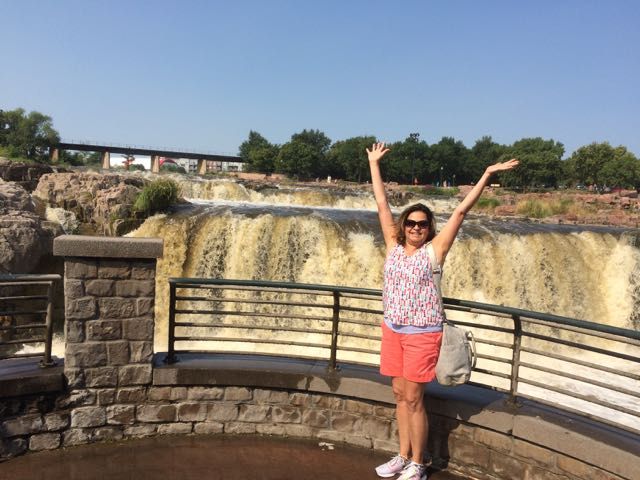
Andrea celebrating the book launch of Sioux Code Talkers of World War II at Sioux Falls, SD
The loss of Andrea is felt deeply by her many friends and family members. Children dealing with tough issues benefit from books that help them process what they are experiencing. The list below features recent bibliotherapeutic picture books that center on loss, serious illness, school threats, and more.
- A Flame Burns On: Lighting the Yarhzeit Candle by Richard Ho, illustrated by Carmel Ben Ami; Grades 1-3; Jewish tradition honoring memories of a loved one
- Little by Little: A Story of Grief by Jenny Torres Sanchez, illustrated by Andy Chou Musser
- Love Stays Strong by Paula Schneider, illustrated by Nicole Wong; Grades K-3; facing serious illness
- The Pink Pajamas: A Story About Love and Loss by Charlene Chua; Grades Pre-K-2
- Not Like Every Day: Finding Calm During School Lockdown Drills by Stephanie V. W. Lucianovic, illustrated by Gabrielle Grimard; Grades K-3
- The Other Side of the Garden by Sili Recio and Elena Djome Lawrence, illustrated by Brianna McCarthy; coping with loss of a loved one; Grades K-2
- Ours: A Story of Loss and Healing by Mandy Settembre, illustrated by Fran Matsumoto; coping with pregnancy loss; Grades 1-3+
- Sweet, Sweet Memory by Jacqueline Woodson, illustrated by Tonya Engel; Grades 1-3; memories of a loved one
Have a title to suggest? Scroll down to add it in the Comments section at the end of this post.
Feel free to share this post with anyone you think might be interested: teachers, librarians, counselors, homeschoolers, parents, or authors. Want to receive the latest post each month? It’s free! Just sign up here. We never sell or share subscriber information.
Meet the Author
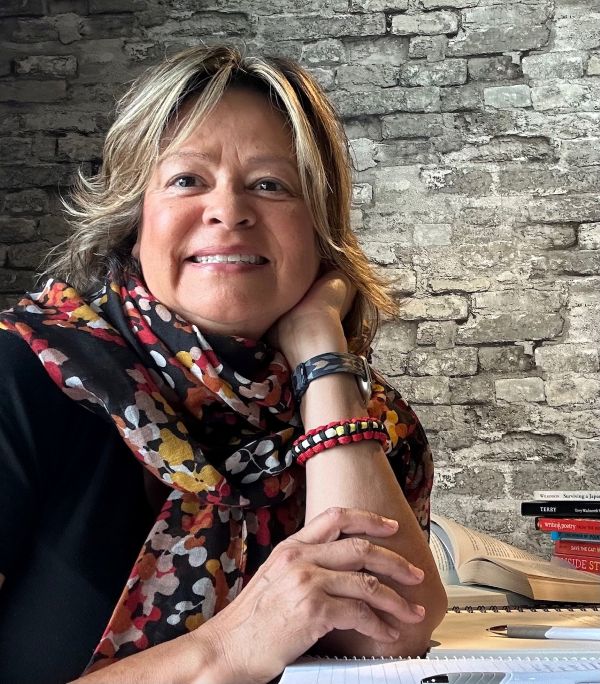
A dedicated children’s author and educator, Andrea M. Page (Hunkpapa Lakota) was an enrolled citizen of the Standing Rock Sioux Tribe. Sioux Code Talkers of World War II and Who Was Wilma Mankiller? are among her books that highlight Native American history. Andrea also developed educational resources for Native authors’ books which use authentic storytelling to inspire young people. As a Highlights Foundation instructor, she enthusiastically taught storytelling and connected with fellow writers. Children’s literature was Andrea’s career focus. She retired after 34 years as an elementary school teacher. She went on to write over twenty-four educator guides, worked on book lists for We Need Diverse Books (WNDB), and was active in the literary community. She was always learning because she loved reading, writing, and crafting stories.
Backstory: Q & A with Alfreda Beartrack Algeo, Illustrator of Gabriel’s Winter Count; and two of Andrea’s Writing Partners, Kathleen Blasi and Jenn Moudahi.
Last November (2025) I invited my friend, author and educator Andrea Page, to join me on Children’s Book Corner to celebrate the release of her chapter-book biography of Wilma Mankiller. She also participated on a panel I moderated at the New York State Reading Association’s annual conference shortly thereafter. When we were together, we always laughed. We reflected on our teaching careers, our writing for children, service to others, and gratitude grounded in faith for her health following an exhausting bout with breast cancer. We also shared Andrea’s excitement about a picture book she had written and the prospect of its publication. Gabriel’s Winter Count is that book. Though she never got to hold a finished copy because of the stunningly swift and devastating return and spread of her cancer just months later, we know this book mirrors her heart and joy. Andrea was a smart, courageous, generous, warm, and thoughtful woman who was passionate about sharing literature reflecting her culture with young readers.
It is with gratitude for their contributions that I introduce you to a few key children’s book creators who took the journey with Andrea in the making of Gabriel’s Winter Count: illustrator Alfreda Beartrack Algeo, and critique partners Kathleen Blasi and Jenn Moudahi. Their bios follow this interview.
Judy Bradbury: As one of Andrea’s critique partners, what struck you most about Andrea’s creative process in the conception and development of Gabriel’s Winter Count?
Kathleen Blasi: What struck me most was the passion and confidence with which Andrea embraced this project. Over the nearly 25 years of our relationship, I watched Andrea grow, starting out tentative, unsure of herself as a writer. Many go through this – we feel like imposters in the writing world. I thoroughly enjoyed watching Andrea’s love of and appreciation for her Native culture blossom to the point of what appeared to be an urgency to share with others.
Jenn Moudahi: Andrea had this unbelievable ability to zero in on a specific line or word that she wanted to be better in her story, even if it was already working. She cared about every detail and would call/text to brainstorm together until her words were just right. For example, she previously had a repeated line “I draw on my very own winter count” and she wanted it to pop and be more fun. Over time, it morphed into “Lines, design. Create, celebrate.” Or, one day we chatted about how she wanted to add some humor into the scene when Gabriel asks, “How can stars rain?”. Ultimately, Andrea added in “Ahh. You were the little mouse playing hide and sneak last night?” As you read GWC, you can feel the care and intention she put into each word, line, and spread.
JB: Freda, How did you conceive of the illustrations for Gabriel’s Winter Count?
Alfreda Beartrack Algeo: After seeing my artwork online, the Creative Director at Charlesbridge Publishing reached out to ask whether I might be interested in illustrating a book for them. When I learned more about the project, I quickly fell in love with the story and with Andrea’s beautiful, authentic Native voice. Andrea and I did not meet on Zoom until after I had submitted my final artwork, but every conversation we shared touched my spirit. I felt as though I had known her for a very long time. She was a special person with a meaningful mission, and I felt deeply honored to be part of her world, even for a little while. Before we spoke, I read her earlier work and the words she had shared online. Her Tribal Nation affiliation and the values she carried—bravery, fortitude, and generosity—felt very close to my own. We both came from large families separated by distance but held together by love. I knew in my heart that this was a good fit. When we talked, we always seemed to run out of time because she was so interesting, so thoughtful, and such a generous listener.
My ideas for illustrating Gabriel’s Winter Count came from many places—lived experiences, traditional stories and teachings, dreams, and especially my own life. Andrea set the scenes with notes on each page, but I still had to ask myself what I wanted the artwork to say and who I was creating it for. I also thought about what the characters might want or need in each moment. Those questions helped shape their facial expressions, body language, and color schemes. I began with rough graphite sketches on paper. Once the Creative Director approved them, I added color using watercolor and soft pastels. Because Andrea’s story centered on family and the special bond between a grandmother and grandson, I chose soft, heartfelt colors to create warmth, tenderness, and texture. I also included trees, water, animals, birds, and stars to reflect the natural world we love and belong to.
JB: Tell us about a challenge you recall Andrea facing in the writing of Gabriel’s Winter Count, and how she overcame it.
KB: I remember Andrea getting a recommendation from either her editor or agent (or both) to make the story more contemporary than its earlier iteration. She wondered how she could pull that off. She worked and worked. She did it, just as I knew she would! That was actually what was so special about our relationship – one of us might be feeling overwhelmed or frustrated, and the other would do the cheerleading.
JM: After Gabriel’s Winter Count was acquired by Charlesbridge, Andrea resumed her battle with cancer. This came with all sorts of challenges, but she always faced them head on…she was incredible. I remember during the first phase of treatment every week was different, and she said she was pacing herself, slow and steady. She relied on her faith and made sure to celebrate milestones: submitting edits to Charlesbridge, making it halfway through chemo, announcing the book, etc. Andrea would work on good days and take breaks/rest as she needed to. She continued to work on other manuscripts, spoke at conferences, taught at Boyd’s Mills (previously Highlights), and lived her life as fully as she could.
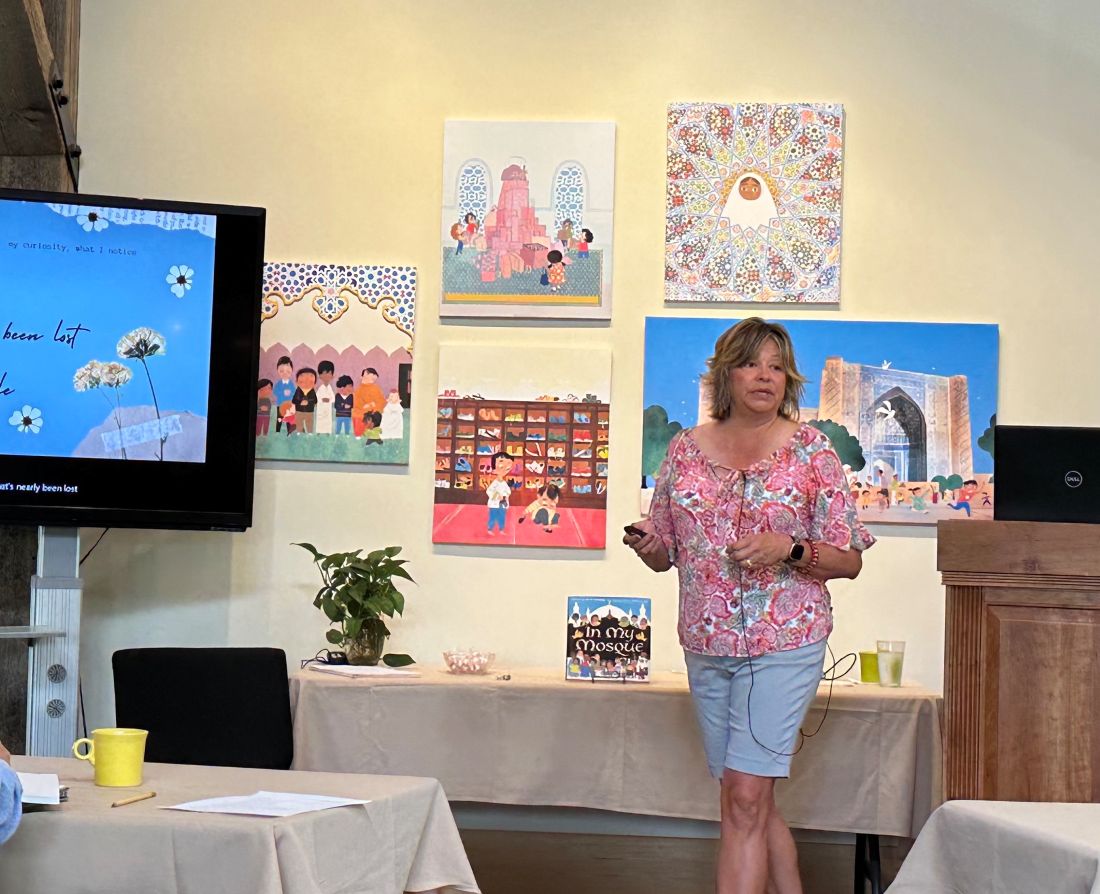
Andrea presenting at Highlights Foundation
JB: Freda, tell us about a challenge you faced in the creation of the art.
ABA: The main challenge was that several important events happen close together in just a few paragraphs. I wanted the artwork to honor the story’s pace without feeling crowded or confusing, and I wanted the emotion to come through clearly. I chose the moments that felt strongest emotionally or dramatically and built the art around them. I paid close attention to Gabriel’s face and body language, as well as to the expressions and movement of the other characters. I also knew I had to include a dog, because so many Native families have dogs and love them dearly. To help everything flow, I divided the images among spot illustrations, spreads, and sequential panels, using color to gently guide the viewer’s eye from one moment to the next.
JB: Provide a memorable (or humorous!) anecdote connected to the creation of Gabriel’s Winter Count.
JM: Andrea had a huge writing community and was a part of many critique groups. When I joined one of these groups, Gabriel’s Winter Count was the first story of Andrea’s that I had the pleasure of reading. I quickly learned that she didn’t mess around with giving and receiving critiques! She was extremely thorough at giving feedback and saw through messy drafts to the heart of the story, bringing it to the forefront. And when she asked for feedback, she was prepared, often coming with a list of questions she wanted to explore. She may have been retired from teaching, but she was still a teacher at heart. I sometimes felt like I was in high school English again, working on homework J (although, this was way more enjoyable). One time she sent the group these questions for GWC:
- Does Gabriel have a strong reason to make his own winter count? What piques his curiosity to find out more?
- Does grandma explain enough about the winter count? too much?
- Why does he ask to make his own winter count? Does it make sense?
- Does the story build up enough to when the parents come home?
- How does Gabriel make sense of his family, kinship, and celebrate community? What does it mean to him?
- What is the big reveal?
Andrea cared deeply for GWC and the reader experience.
KB: When Andrea received her F&G [folded and gathered copy, pre-publication], she brought it to a small gathering of her writer friends. To see the look on her face as we all took it in was priceless. She was so excited about this book, so thrilled working with her editor at Charlesbridge and with the illustrator, Alfreda. She took nothing for granted, and was delighted from start to finish.
JB: Freda, what is one unexpected joy that came from the creation of the art for Gabriel’s Winter Count?
ABA: I found so much of my own life was reflected in the story—from childhood memories on the reservation to my experiences living and working in urban settings. I especially appreciated the contemporary setting and the way Gabriel’s parents are shown serving their community, their country, and the land as a wildland firefighter and a National Guard service member.
Andrea wanted to honor the many contributions Native Americans have made to American history, including the military service of her great-uncle Johnny, a Sioux (Dakota) Code Talker in World War II. That meant a great deal to me, because I also come from a military family: my grandfather served in France during World War I before Native Americans became citizens in 1924; my father and three uncles served in World War II; other uncles served in the Korean War; older brothers and cousins served in Vietnam; younger relatives served in Iraq; and grandchildren have participated in color guard and ROTC. My son also spent his career in wildland management. In so many ways, this story felt close to my heart.
JB: Jenn and Kathleen, in your opinion, what is one unexpected joy Andrea experienced as a result of creating Gabriel’s Winter Count?
JM: The artwork! I remember when Andrea found out that a Lakota illustrator had said yes to GWC, she was thrilled. Later, when Andrea received the sketches, she cried because they were stunning and there were so many connections to her family. The faces of the characters strongly resembled members of her family, particularly her uncle Frank. Connecting with Alfreda about this was also meaningful for Andrea, and they engaged in many rich conversations together.
KB: It was such a special moment when Andrea secretly (shhhh – quietly?) shared with me a sample of the early art. She was blown away with its beauty and warmth. She felt so connected to Alfreda, and I have since learned that the feeling was mutual. The gratitude she felt, with being paired with Alfreda, was remarkable. Andrea revered the art in Gabriel.
JB: Clearly unanimous! Freda, if you had to pick one, what is your favorite illustration in the book? Why?
ABA: My favorite illustration is the scene where Gabriel looks out the window at the stars, with the image of his parents close beside him. I wanted that moment to feel tender and full of connection—to show the relationship we have with all things, including the stars, moon, and sun. Coming from a large family, I carry the belief shared by many Native and Indigenous people that family is everything. No matter where we live or how far apart, we are, we are never truly separated. In Lakota culture, we say Mitákuye Oyás’iŋ—we are all related. It is a deep spiritual teaching from our ancestors: all living things are connected as one family, and what affects one affects all.
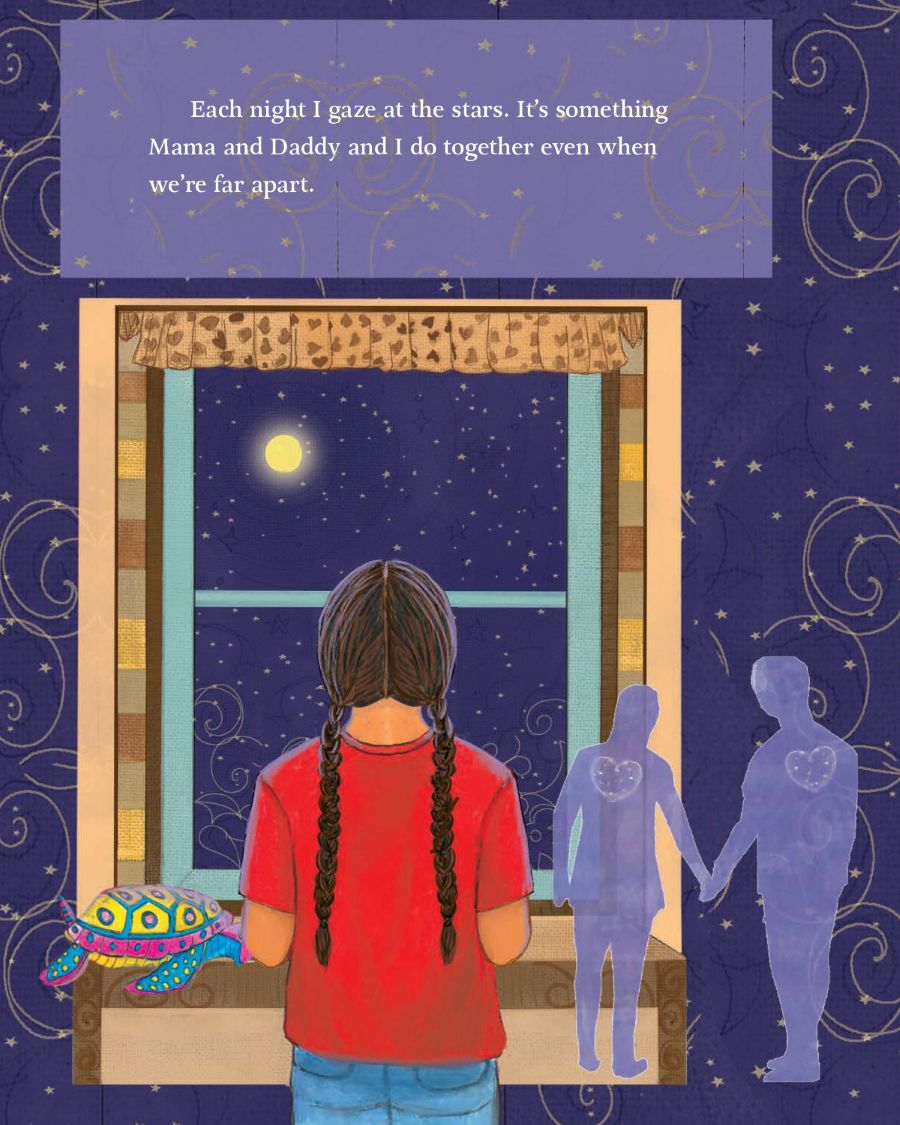
Illustration © 2026 Alfreda Beartrack Algeo
Note: Unbeknownst to Freda, this illustration was chosen by Andrea’s friend, author and talented quilter Sibby Falk, to adorn a keepsake quilt she created for Andrea’s family.
JB: What do you hope young listeners / readers will take away from Gabriel’s Winter Count?
ABA: I hope young readers feel encouraged by Gabriel’s resilience, imagination, and creativity. Gabriel learns from the Winter Counts of his ancestors, who recorded tribal and family histories through symbols painted on animal hides to mark important events over time. He creates his own modern Winter Count by using symbols to record his daily experiences. What begins as a gift for his parents also becomes a gift to himself, helping him feel close to them even while they are away. I hope the story invites young readers and listeners to use art to remember time, events, and the things they hold dear. It can become a beautiful way to set goals, celebrate milestones, and carry something meaningful forward in life.
KB: I hope as young readers, families, and educators read Gabriel, they will not only feel connected to Andrea, as her story lives on, but to each other. That readers will see the beauty and value in learning about Native stories and how they elevate the way we live in the world and how we see and treat one another. I hope that as Andrea celebrated family and tradition, readers will dig into their own and likewise celebrate and share.
JM: Overall, I hope readers experience the strength of community and family love in GWC and can connect to these things in their own life, drawing on them so they never feel alone. I also hope that learning about winter counts/Lakota values/Native American history prompts curiosity and a desire to learn more (both about Indigenous people and the reader’s own family history).
GWC has many layers, which means it can grow with readers/through multiple readings…young ones might focus on Gabriel’s journey to find the perfect gift, older ones might notice the value in Gabriel connecting to his culture, community, and history, and others might see how Gabriel is empowered to find his role in the family and keep traditions alive in a modern world. I hope that people read this book over and over and take in all the gifts it has to offer.
About Kathleen Blasi
Kathleen Blasi (kath-LEEN BLAH-zee) is drawn to telling stories that feature quiet heroes. Budding astronaut Milo, of Milo’s Moonlight Mission, takes charge of fostering quality time with his busy mother, while celebrating the wonder of nature and connection. Forthcoming Two-by-Two: A World War II Friendship Story features two child allies, anchored in a special bond, during a dark time in U.S. history. Kathleen has served as Co-President of Rochester Area Children’s Writers & Illustrators and is former Co-Director of the Rochester Children’s Book Festival, for which she and her Co-Director received the 2015 New York State Reading Association Literacy Advocate Award.
About Jenn Moudahi
Jenn Moudahi (moo-DAW-hee ) is a Métis author, clinical counselor, and mom. She is the author of Charlotte’s New Moccasins and multiple upcoming books, including The Sleepover Rock and The Drumbeat Calls Them Back. Stories are a common thread in her life—she writes them as an author, listens to them as a counsellor, escapes into them as a reader, and allows too many at bedtime as a mom. Jenn lives in British Columbia, Canada with her husband, two kids, and a meowvelous cat.
About Alfreda Beartrack Algeo
Alfreda Beartrack Algeo (AL-free-DA Bear-TRACK EL-gee-O) is an enrolled member of the Kul Wicasa Oyate Tribe of the Oceti Sakowin Nation and remains deeply connected to her Lakota heritage, family, and community. As an artist, author, and illustrator, she creates stories and images that inspire young readers and listeners to imagine, learn, and see new possibilities in the world around them. Through her art and storytelling, Alfreda shares life lessons that encourage stewardship, respect, and connection to the natural world. Outside her studio, she enjoys walking, hiking, camping, fishing, cooking, sewing, sharing book readings, and tending the fruit farm at her home in Palisade, Colorado. You can find more on Alfreda’s website.
Thoughts from Alfreda
My Time with Andrea
I am working on a book that illustrates my Tribal Nation’s connection to the land. It reflects the belief that the land does not belong to us—we belong to the land—and that what we do to the land, we do to ourselves. Andrea and I often talked about how important it is for Native youth to see characters who look like them and share familiar, joyful, contemporary experiences. We also believed in sharing accurate histories and connecting them to the present. As Native Americans, we are still here: vibrant, innovative, visible, and practicing our traditions while contributing to society as teachers, doctors, soldiers, scientists, astronauts, and more.
From the beginning, there was such warmth in our conversations. She told me several times that we had created a wonderful partnership and a beautiful book, and I agreed with my whole heart. We enjoyed listening to one another and sharing pieces of our lives. In one conversation, she said, “Freda, I need to tell you something. I have cancer, but it is in remission. I thought you should know.” I thanked her for trusting me with that, but she did not want to dwell on it, so we moved on to other things.
On a Sunday afternoon in late February, Andrea called me unexpectedly. We usually scheduled our conversations during the week, so I was surprised to hear from her. She told me her cancer had returned and that she was in the hospital. She wanted me to hear it directly from her rather than from someone else. I thanked her for thinking of me. After a quiet moment, she said, “Freda, please take good care of our book.” I told her I would (thinking about that moment brings tears to my eyes).
Looking back, I believe Andrea knew her time was near. In earlier calls, Andrea had often told me how much she loved the artwork, so Diane Earley, Karen Boss, and I decided to send her original artwork from Gabriel’s Winter Count, along with one of my signed prints, to let her know we were holding her in our thoughts.
A few days later, Andrea texted me from the hospital to say the package had arrived at her home, and she was looking forward to seeing the artwork. Andrea never had that chance or to see the final draft of the book. Her cancer was incredibly aggressive, and she passed away a few days later. Although she is deeply missed by her family and by all who knew and loved her, she lives on through her kindness, her good deeds, and the beautiful stories she left for everyone to enjoy.
Sidebar Spotlight New releases of note
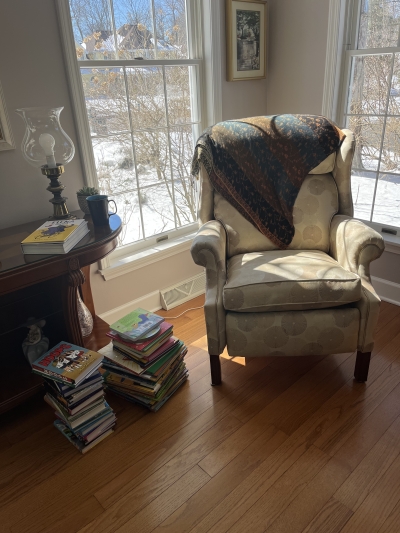
Each month I receive several boxes of books for review from various publishers. As I read and peruse the books, I place them in two piles: those that I will consider featuring on the blog, and those that don’t fit the theme of Children’s Book Corner blog for whatever reason. Ultimately, I choose the one new release I will feature on my monthly blog post. Yet there are many terrific books I wish I could give a shout-out to, even if I can’t write an entire post about each one. So I highlight those books on most Mondays on Instagram and Bluesky.
Sidebar Spotlight is a means of giving a nod to new releases that, in my opinion, are noteworthy. I’ve linked each title to Bookshop so you can learn more. Happy reading, friends! And feel free to comment on these or other new books in the Comments section at the end of this post.
Brunch Shift by Adrienne Thurman and illustrated by Mags Deroma has all the feels in a warm, uplifting tale about how a mom and daughter turn a Mom-has-to-work day into a playful, imaginative one full of happy, humorous, loving moments. Recommended read-aloud ages 4-8.
Click! Snap! Picture That! by Dieter Böge, illustrated by Benjamin Gottwald, translated by David Henry Wilson is an off-beat, humorous book that opens discussions of selfies, how we see ourselves, and how we hope to be seen. A recommended read-aloud as school begins and to celebrate World Kid Lit Month, now celebrating its 10th year of shining a light on international books for young people. Grades 1-4.
Felix Powell, Boy Squirrel by Erin Entrada Kelly is a fun, fanciful chapter book with as much comic energy as a busy neighborhood squirrel. Ages 7-9.
Thanks for reading Children’s Book Corner! If you would like monthly posts delivered free to your inbox, sign up here. We never sell or share subscriber information.
News, Updates, & Items of Interest
One of the Society of Children’s Writers and Illustrators (SCBWI) Impact and Legacy Fund’s (ILF) programs is All Readers Welcome: Supporting School Libraries. Each quarter, three schools are provided with collections of books that their librarians may not be able to purchase using school funds. The committee prioritizes schools that:
- Have a significant (20-100%) portion of students who qualify for free or reduced lunch
- Are in states with restrictions on which books librarians can or cannot purchase using school budgets
- Serve a diverse student population, including bilingual classrooms
- Experience book loss
- Receive Title 1 Federal funding
School librarians (or teachers in a school with no library) are welcome to apply via this form. If your school doesn’t meet the criteria, but you feel there’s a strong need for diverse books in your collection, you are welcome to apply. To learn more, visit the All Readers Welcome webpage.
Storyline Online offers video read-alouds of children’s books by professional actors and a teacher’s guide for each book. It is funded by SAG-AFTRA Foundation (formerly the Screen Actors Guild Foundation) and is available twenty-four hours a day, seven days a week, free of charge.
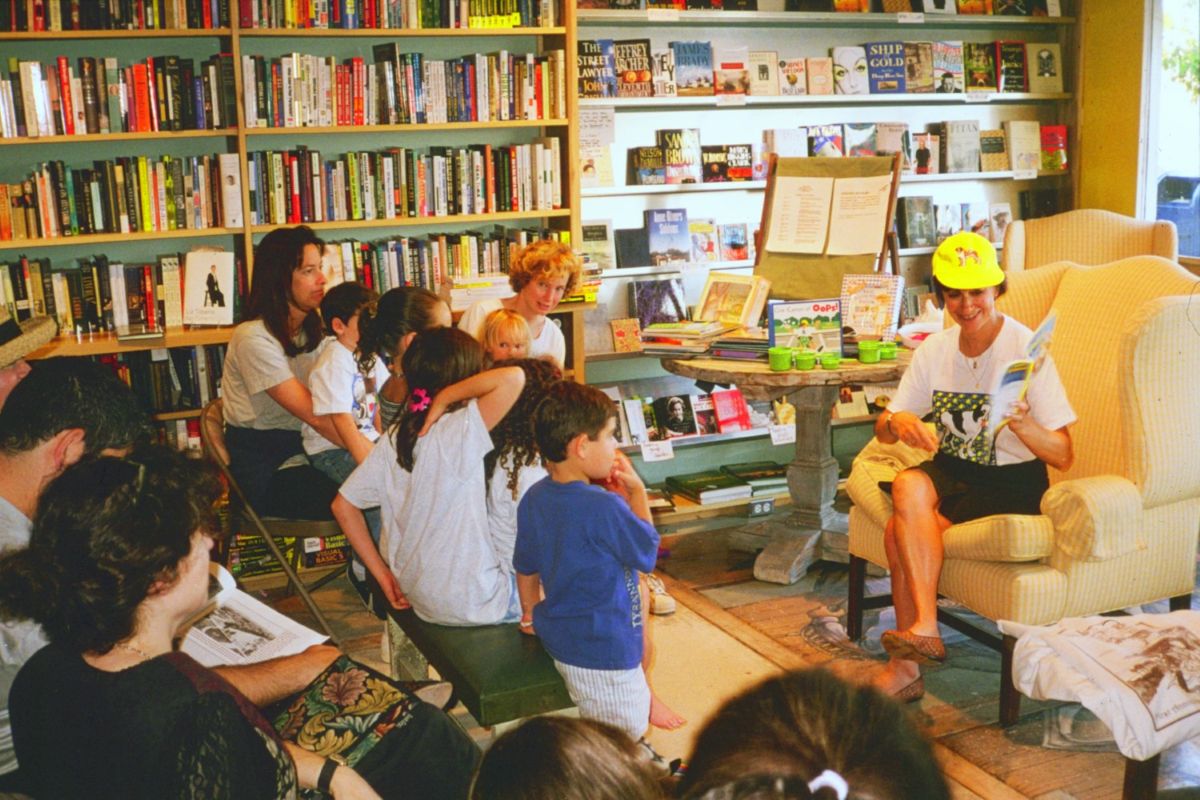
This Fall season finds me out and about enjoying school visits, participating in book festivals and panel discussions, and just having a bunch of bookish fun!

On October 10, I’ll be participating in the Lockport Book Crawl taking place across the city in Lockport, NY from 9am-2pm. You can find me along the crawl at B&D’s Bagels & Locks, 21 Main Street, Lockport! Passsports are on sale at Lock City Books. A portion of the funds will go to nonprofit Lock City Readers Inc. to support student access to literature.
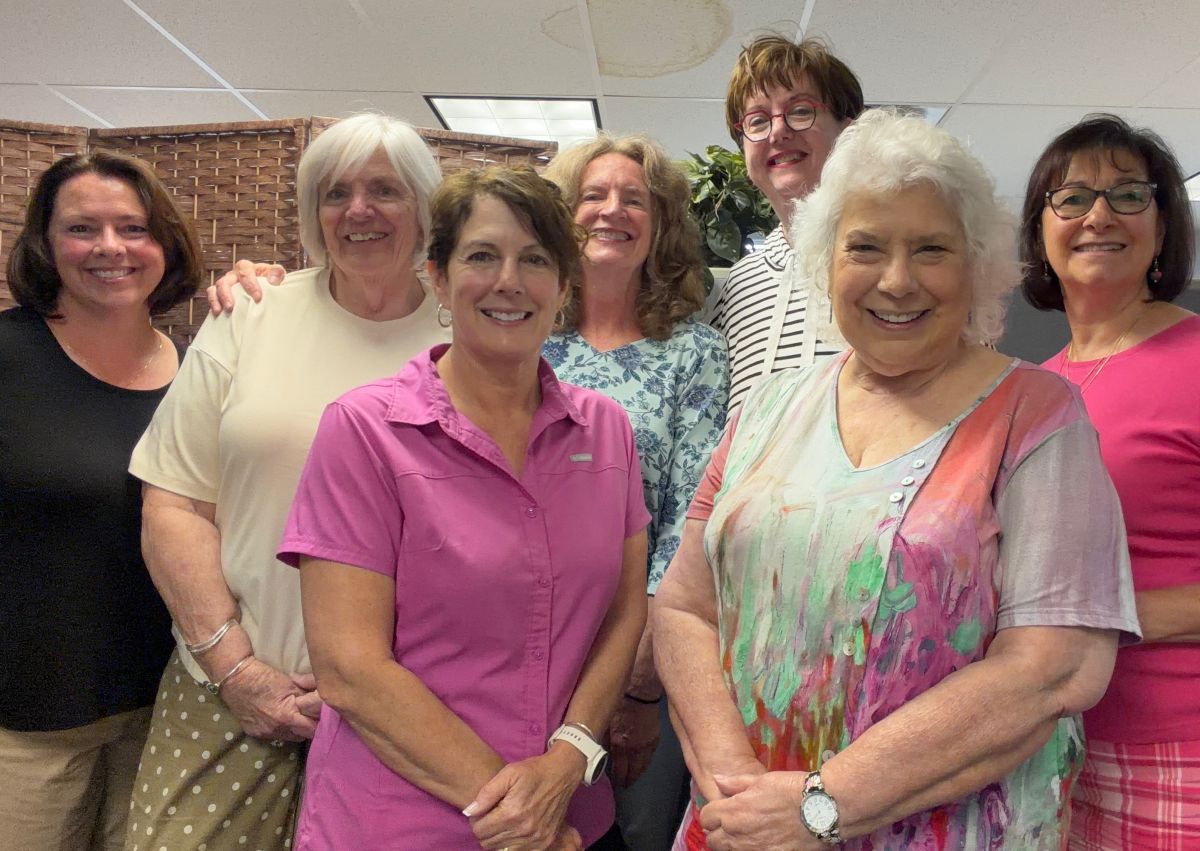
On October 11, I am honored to be joining a group of author and illustrator friends (pictured here, left to right: Keely Hutton, Sibby Falk, Kathleen Blasi, Marsha Hayles, Jennifer Meagher, Vivian Vande Velde, and me) celebrating the posthumous launch of Andrea M. Page’s heartwarming picture book, Gabriel’s Winter Count, alongside her family and many friends. The event takes place from 12-4 pm at Spencerport Firemen’s Exempt Hall in Spencerport, NY. Liftbridge Books will be the vendor for this event open to the public. RSVP by 10/1 to apapge616@gmail.com to attend.
On October 14, I’ll be visiting with second and third graders at School #54 in Rochester, NY.
On October 29, I’ll be taking part in family fun activities planned for Lockport Literacy Night: “Unlock the Magic of Reading.”
On November 8, I’ll be returning to the Rochester Children and Teens’ Book Festival taking place from 10am-4pm at Monroe Community College. At 1:00pm, I’ll be participating on a panel, teaming with Kevin Kurtz and James Preller to discuss “Brainstorms: How to Build a Book.” Check the Festival schedule for times and locations of all activities throughout the day.
Find all the information about where my books and I will be on my Events page.
Find me online at Instagram, Bluesky, and LinkedIn where I post about books, book-related items of interest, Little Free Libraries, and occasionally travel (on IG). Connect with me there!
I am currently booking school visits and professional development sessions for the 2026-27 school year. Find information and contact me to discuss a visit tailored to meet your school’s needs.
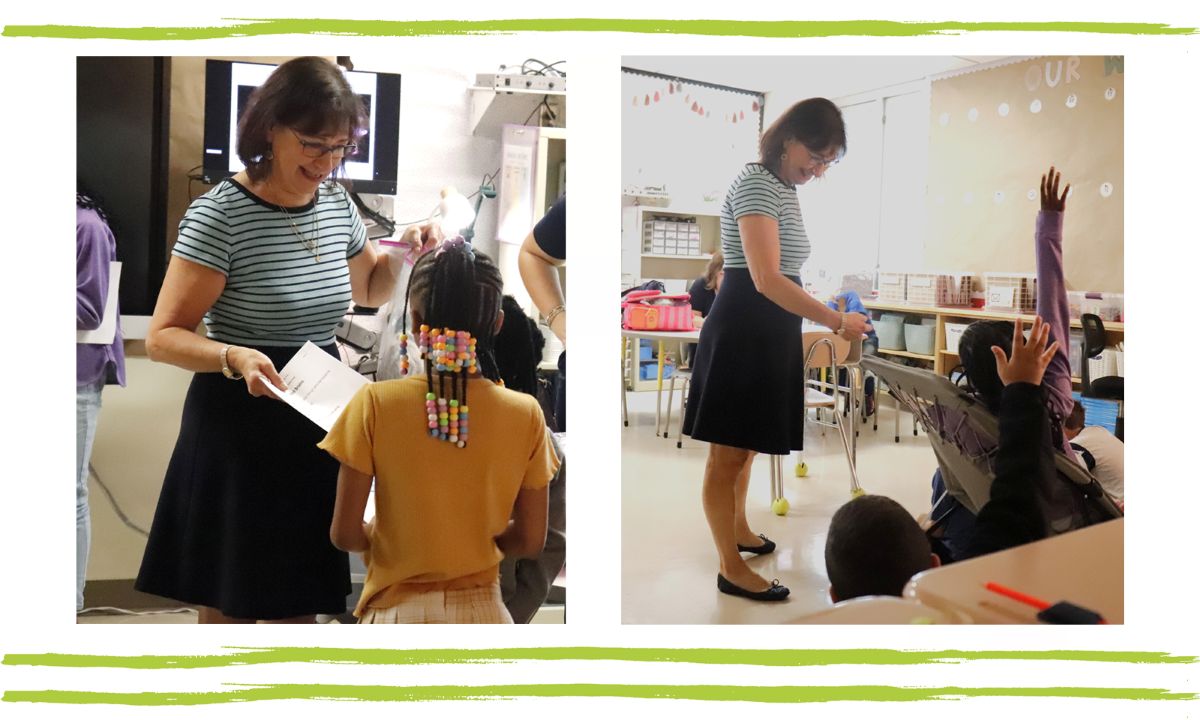
Photo credit: Jody LaRose
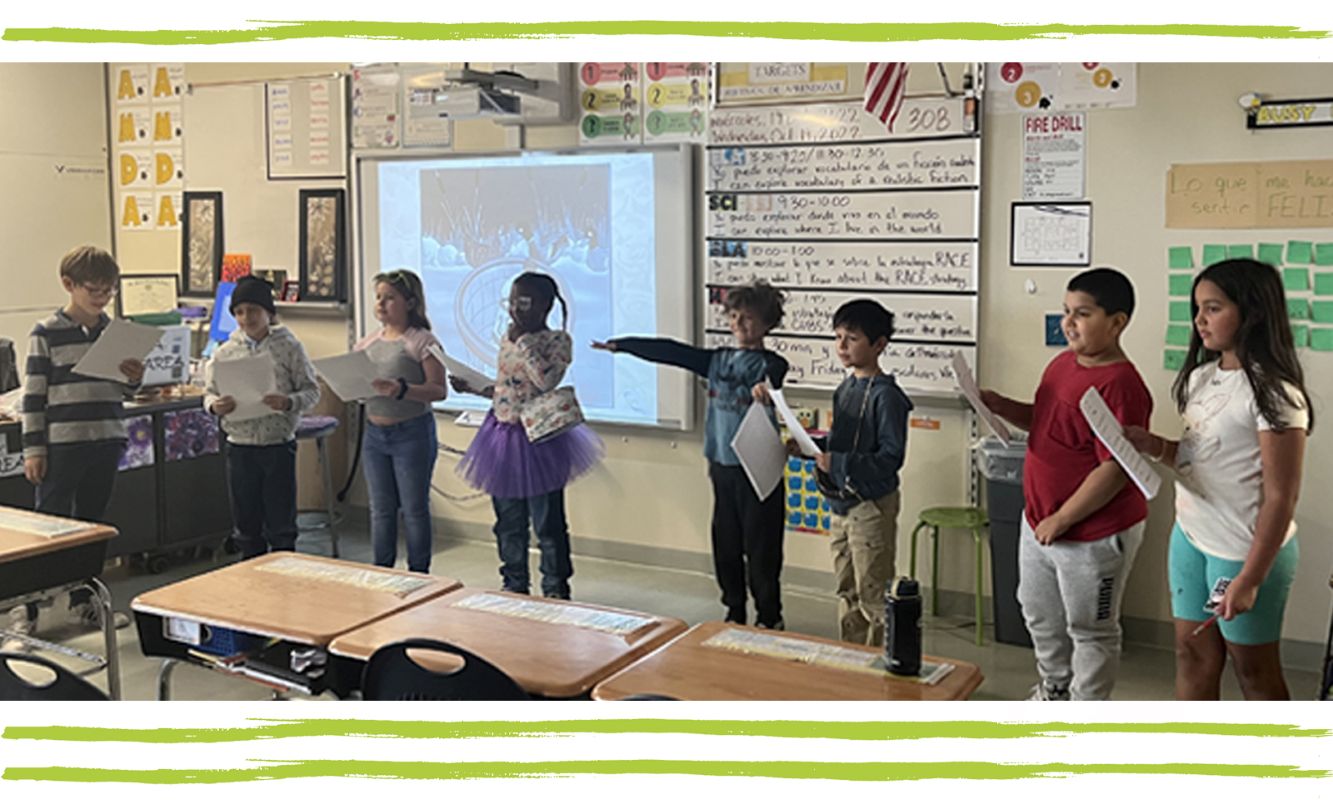
Readers Theater with props! Cayuga Island Kids, The Adventure of the Big Fish by the Small Creek
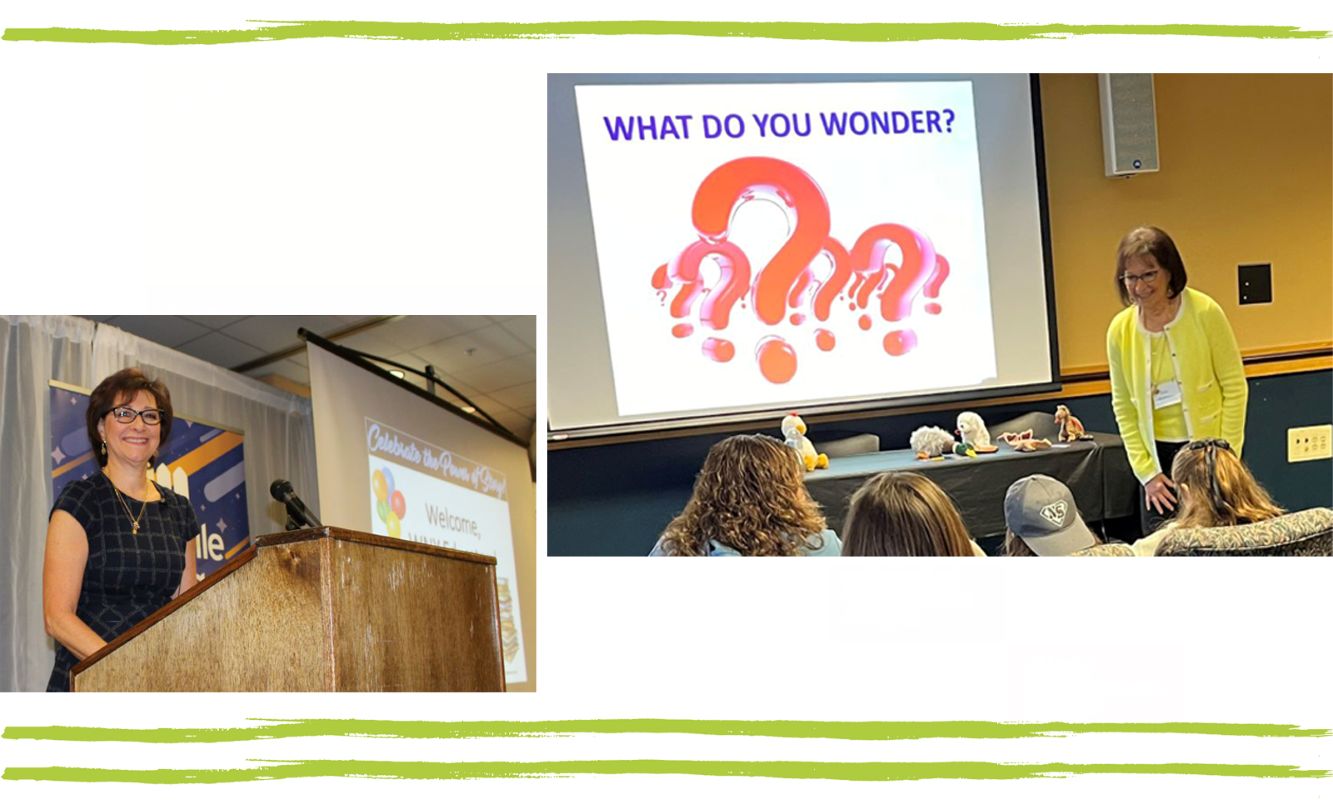
Small and large group presentations
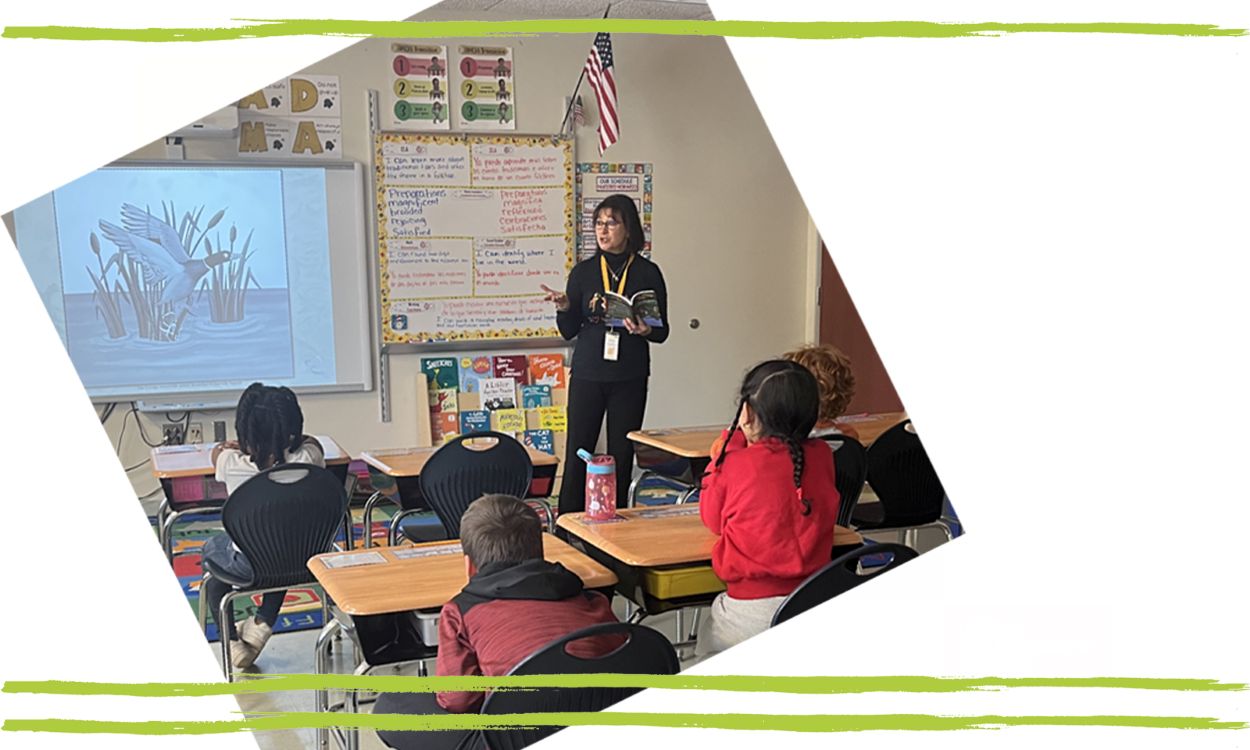
A note received following a recent school visit:
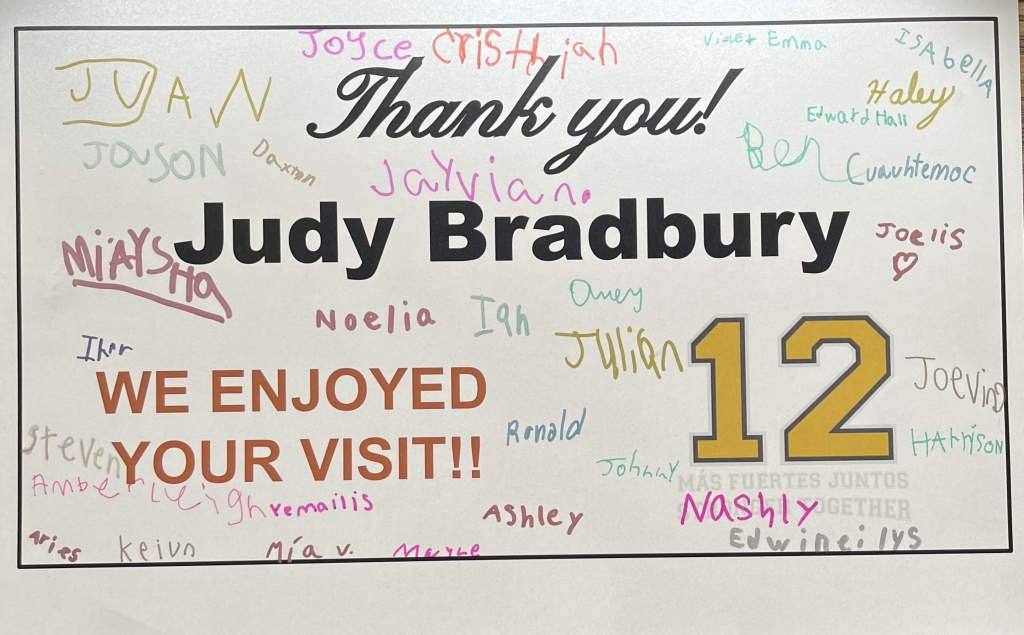
Thank you so much for coming to meet with my students. You were wonderful, answering their questions and explaining how you wrote the book. We all loved it! Here are some illustrated thank you notes the students made for you. Thank you again!
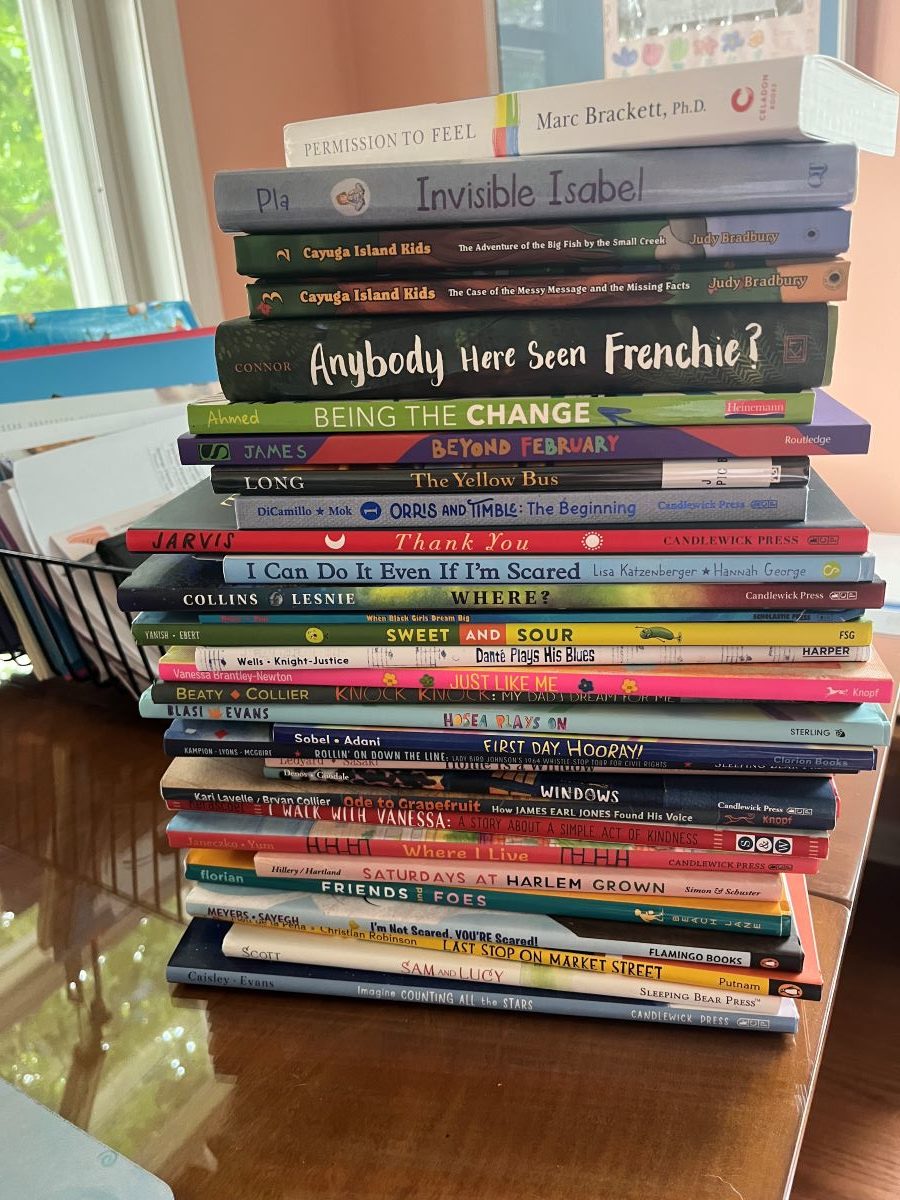
And here’s a note I received after presenting “SEL-Related Children’s Books with Curriculum Tie-Ins” to teachers and librarians of Grades Pre-K—Grade 6:
Thanks so much for presenting! I heard wonderful things about your workshop! One person mentioned to me that you were so organized and passionate. They also loved seeing all the children’s books you brought with you!
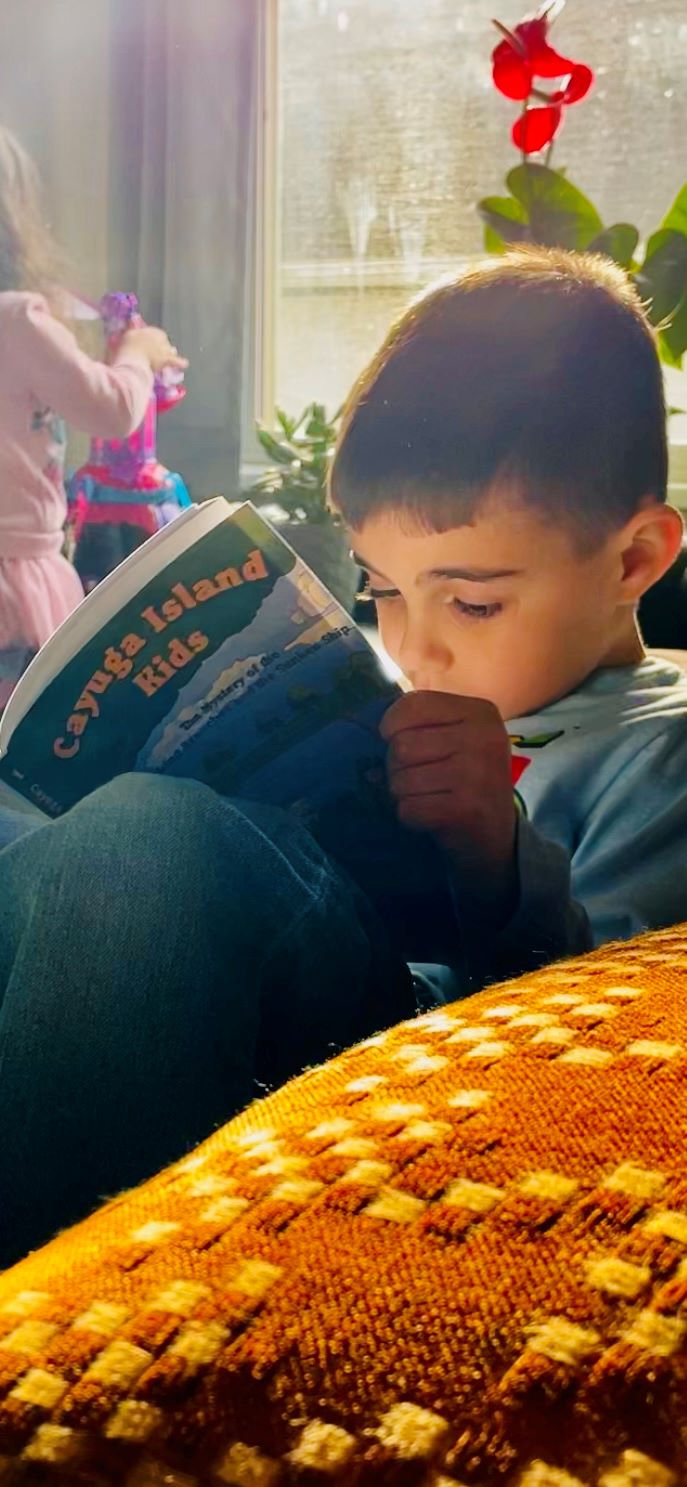
Find my books packaged as a series at your favorite bookseller. Individual titles are also available in hardcover, softcover, and e-book versions.
Kindness tip: If you read and like a book, consider posting a review on GoodReads, social media, or on Amazon (if you bought it there). Authors and illustrators appreciate the shout-out. Even a one-sentence comment increases visibility of a book. Also consider placing a request with your local library to purchase a copy–another free way to support a book you recommend!
Over to You…
Join the conversation! Offer your thoughts related to this month’s post in the Comments section below:
What book celebrating Native American customs, traditions, or heritage would you recommend? Share the title, author, and suggested age or grade range.
You are also welcome to post a general comment.
Thanks for sharing!
Final Thought
“Telling stories and writing them down are both ways to remember our history.“
~ Unci, Gabriel’s Winter Count
That’s a wrap! Like what you’ve read today? Have Children’s Book Corner delivered to your inbox each month. Sign up for free! We never sell or share subscriber information.
0 Comments