
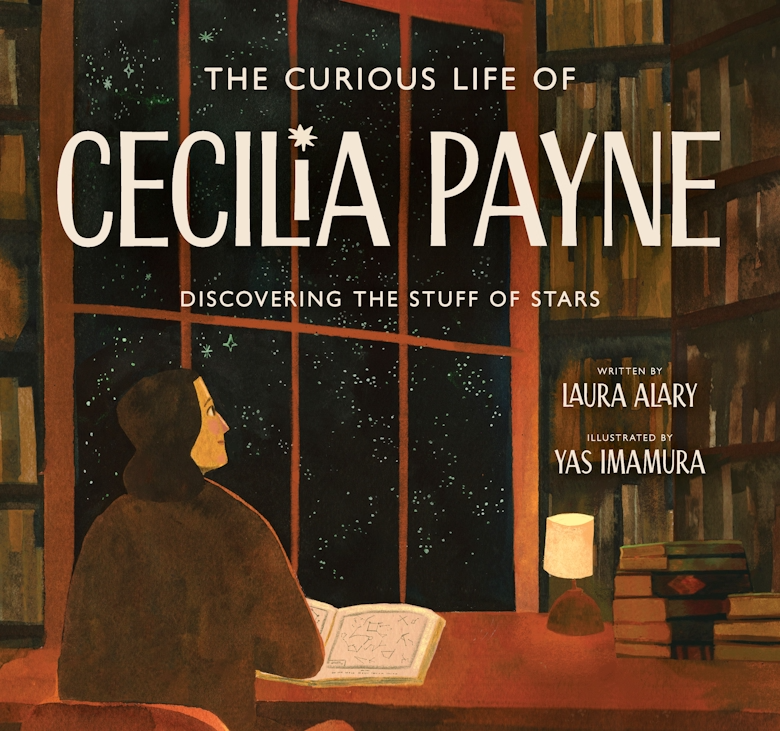
The Curious Life of Cecilia Payne: Discovering the Stuff of Stars by Laura Alary, illustrated by Yas Imamura; Eerdmans Books for Young Readers, 2025.
Looking for a book for Women’s History month? A book to introduce or layer the study of biographies? A book about astronomy? The Curious Life of Cecilia Payne is a stand-out picture book biography for Grades 3-4 that introduces a woman who exhibited pluck, curiosity, smarts, and growing self-confidence while facing numerous obstacles throughout a life of impressive accomplishments in the field of astronomy.
“If you are sure of your facts, you should defend your position.”
~ Cecilia Payne
Why this book? Why will it matter to kids?
This biography is filled with anecdotes about Cecilia Payne’s life that kids will relate to. Readers will find examples of the value of investigation, the satisfaction that comes from following where your curiosity leads, the importance of seeking facts and working hard, and the triumph that comes from believing in yourself as a result of that hard work.
Why read aloud?
We settle into a safe space as we gather to share a book. As we reflect, exchange thoughts, and explore concepts, we are building background knowledge—and community. When read-aloud sessions are routine, children become comfortable voicing their perspectives. They grow in active listening skills and learn to respect the thoughts, feelings, experiences, and beliefs of others. When we (educators, parents, and caregivers) select age-appropriate, length-appropriate stories based on needs and abilities, we offer children the opportunity to see themselves, see others, find validation, and contemplate solutions to conflicts and challenges that they may not have considered.
Read-aloud sessions are inclusive: there is no reading skill or level barrier, and learning obstacles are mitigated by preparation prior to reading the book aloud. In a read-aloud session there is immersion as well as the comfort of distance from the challenges the characters encounter.
Reading aloud engages listeners, offering a positive, secure, stress-free “learning without struggle” experience grounded in a book, the value of which cannot be overestimated.
“You think your pain and your heartbreak are unprecedented in the history of the world, but then you read. It was books that taught me that the things that tormented me most were the very things that connected me with all the people who were alive, or who had ever been alive.” ~ James Baldwin
Levels and Layers of Learning
Grade level: 3-4
Social-Emotional Learning Themes
Acceptance, connection, courage, creativity, curiosity, dedication, diligence, effort, empowerment, encouragement, fortitude, friendship, generosity of spirit, gratitude, hope, inspiration, integrity, kindness, perseverance, persistence, perspective, relationship skills, resilience, resourcefulness, respect, responsibility, responsible decision-making, self-assurance, self-awareness, self-management, self-reliance, social awareness, tenacity, understanding
Content Area Connections: Science, Social Studies, Math, STEM; Social-Emotional Learning
Using This Book in the Classroom
Hit the Ground Running Ready Resources for Educators, Homeschoolers, and Parents
Learn more about Laura and her books.
Laura’s last name is pronounced AL a ree. As Laura explains, “Think salary without the s.”
Write Away! Ideas to prompt writing
Reading, writing, listening, and speaking form the core of literacy. In robust literacy instruction we aid students in strengthening the connections between these fundamental processes. Shared reading—and dynamic conversations about text—strengthens reading skills and leads to meaningful writing. Multiple strategies are employed in the process of gaining meaning from reading (background knowledge, text structure, sequence, detail, cause and effect, visualization, summarizing, synthesizing, perspective, and more) and we utilize these strategies in the process of writing. Reading skills support writing, and writing skills support reading.
“[There is} a deep connection between how students read, write, and communicate, and how they develop socially and emotionally.” ~ Justina Schlund, Director of Field Learning for CASEL
What does it mean to be curious? What are you curious about?
How would you describe Cecilia? What do you like about her? Explain.
Did you know anything about Cecilia Payne before reading this book? What is a favorite fact you learned about Cecilia? What did you discover that made you think, wow!? Explain.
What else would you like to know about Cecilia?
Which illustration is your favorite? Why?
The first sentence of the book is, “When she was eight years old, Cecilia Payne discovered she was a scientist.” The author then goes on to explain. Write a sentence about yourself. Then tell a story from your life that explains why this is true about you.
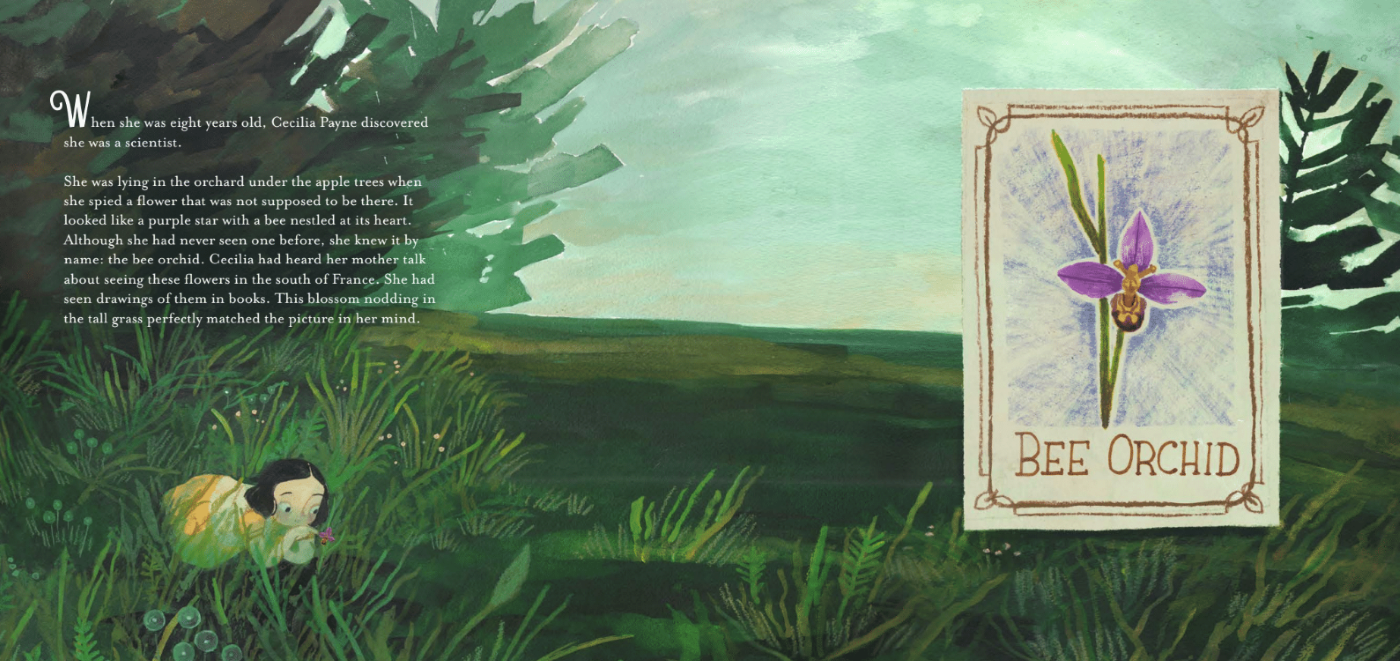
Illustration © Yas Imumura
Laura Alary tells us in her Author’s Note at the back of the book that Cecilia didn’t always fit in. She stood out because she was different, from her height to the hand-me-down clothes she wore, to her shyness and her smarts. Even so, “Cecilia never tried to change or disguise herself.” Do you know someone who doesn’t always fit in? Look deeper. What is special about that person? How can you get to know that person better?
In her Author’s Note at the end of the book, Laura Alary offers a timeline of notable events that she titles “Cecilia’s Curious Life.” Create a timeline of your life. Brainstorm what you want to include. Place events in the sequence in which they occurred. Provide dates and a sentence about each event. What title will you give your timeline?
Here’s a writing prompt based upon one of Laura’s responses to an interview question:
Cecilia grew in self-confidence because she worked hard, studied and learned, and became an expert. Laura explains: “When Cecilia told her students to trust themselves, she meant: Do your work well so you know what you are talking about, then have confidence.” What do you want to work hard at so you can feel confident that you know what you are talking about?
Poetry Break Related poetry to recite before or following the reading of this book
Poetry breaks fit perfectly into the framework of the school day. These brief moments can signal change, smooth or frame transitions—from beginning or ending the day to lining up for lunch; from zipping up backpacks and jackets to shifting from one subject to the next. Poetry breaks can reset mood or tone, providing a moment to pause, reflect, and breathe. Reading a poem aloud typically takes less than a minute, yet it can introduce or reinforce a concept, provide clarity, celebrate language, exemplify rhythm, enhance vocabulary, expand understanding, increase attention span, initiate reflection, spark imagination, or simply summon a giggle. And, poetry soothes and strengthens the spirit.
“Poetry builds resilience in kids and adults; it fosters Social and Emotional Learning. A well-crafted phrase or two in a poem can help us see an experience in an entirely new way.” ~ Elena Aguilar
Poetry Collections About Space
- Blast Off! Poems About Space selected by Lee Bennett Hopkins, illustrated by Melissa Sweet
- Comets, Stars, the Moon, and Mars: Space Poems and Paintings by Douglas Florian
- Earth Verse: Haiku from the Ground Up by Sally M. Walker, illustrated by William Grill
- The Popcorn Astronauts And Other Biteable Rhymes by Deborah Ruddell, illustrated by Joan Rankin
- Science Verse by Jon Scieszka, illustrated by Lane Smith
- Spectacular Science: A Book of Poems by Lee Bennett Hopkins, illustrated by Virginia Halstead
- when I heard the learn’d astronomer by Walt Whitman, illustrated by Loren Long
Recently Released Poetry
- Poems for Every Season: A Year of Haiku, Sonnets, and More by Bette Westera, illustrated by Henriette Boerendans, translated by David Colmer
Make poetry part of every learning day! Lee Bennett Hopkins, author or editor of two of the titles on space listed above, was an educator, poet, author, and anthologist. He wrote or edited over one hundred books of poetry for children on a wide range of topics. Learn more about Lee, his books, his awards, and his legacy.
And Then There’s This…
Enrichment activities, related books, online resources, craft projects, and ideas for further study
Read Laura’s conversation with illustrator Yas Imamura about the making of their book.
Book Collection Suggestions
Reading multiple books on a topic allows for deeper understanding and connection. Students’ knowledge base expands, comprehension increases, critical thinking sharpens, conversations deepen, and writing becomes more meaningful.
A Select List of Picture Book Biographies About Women in Astronomy:
- The Astronomer Who Questioned Everything: The Story of Maria Mitchell by Laura Alary, illustrated by Ellen Rooney
- A Computer Called Katherine: How Katherine Johnson Helped Put America on the Moon by Suzanne Slade, illustrated by Veronica Miller Jamison
- Counting on Katherine: How Katherine Johnson Saved Apollo 13 by Helaine Becker, illustrated by Dow Phumiruk
- The Fire of Stars: The Life and Brilliance of the Woman Who Discovered What Stars Are Made Of by Kirsten W. Larson, illustrated by Katherine Roy
- Hidden Figures: The Story of Four Black Women and the Space Race by Margot Lee Shetterly, illustrated by Laura Freeman
- Mae Among the Stars by Roda Ahmed, illustrated by Stasia Burrington
- Margaret and the Moon: How Margaret Hamilton Saved the First Lunar Landing by Dean Robbins, illustrated by Lucy Knisley
- She Caught the Light: Williamina Stevens Fleming: Astronomer by Kathryn Lasky, illustrated by Julianna Swaney
- To the Stars!: The First American Woman to Walk in Space by Carmella Van Vleet and Dr. Kathy Sullivan, illustrated by Nicole Wong
- Wanda Hears the Stars: A Blind Astronomer Listens to the Universe by Amy S. Hansen with Wanda Díaz Merced, illustrated by Rocio Arreola Mendoza; Schneider Family Younger Children Award
- Women on a Mission: The Remarkable Heroes Who Put Men on the Moon by Suzanne Slade, illustrated by Molly Magnell
Recently Released and Recently Awarded Picture Book Biographies:
- Alberto Salas Plays Paka Paka con la Papa by Sara Andrea Fajardo, illustrated by Juana Martinez-Neal; Robert F. Sibert Informational Book Medal; Orbis Pictus Honor
- André: André Leon Talley–A Fabulously Fashionable Fairy Tale by Carol Boston Weatherford and Rob Sanders, illustrated by Lamont O’Neal; Coretta Scott King Illustrator Honor
- Blues Boy: The B. B. King Story by Alice Faye Duncan, illustrated by Carl Joe Williams
- Copland: A Story About America by Veronica Mang
- Fanny’s Big Idea: How Jewish Book Week Was Born by Richard Michelson, illustrated by Alyssa Russell
- Foote Was First!: How One Curious Woman Connected Carbon Dioxide and Climate Change by Jen Bryant, illustrated by Amy June Bates
- The Girl Who Figured It Out: The Inspiring True Story of Wheelchair Athlete Minda Dentler Becoming an Ironman World Champion by Minda Dentler, illustrated by Stephanie Dehennin
- Houdini’s Library by Barb Rosenstock, illustrated by Mar Delmar
- Jellyfish Scientist: Maude Delap and Her Mesmerizing Medusas written by Michelle Cusolito, illustrated by Ellen Rooney
- Measuring Up: How Oliver Smoot Became a Standard Unit of Measurement by Jenny Lacika, illustrated by Anna Bron
- Singing Justice: The Story of Joan Baez by Monica Brown, illustrated by Molly Mendoza
- Spark: Jim West’s Electrifying Adventures in Creating the Microphone by Ainissa Ramirez, illustrated by Setor Fiadzigbey
- Talking Books: Audiobook Inventor Dr. Robert B. Irwin and a New Way to Read by Jenny Lacika, illustrated by Ashanti Fortson
- Teaching for Change: How Septima Clark Led the Civil Rights Movement to Voting Justice by Yvonne Clark-Rhines with Monica Clark-Robinson, illustrated by Abigail Albano-Payton
- The True Ugly Duckling: How Hans Christian Andersen Became a Swan by Sandra Nickel, illustrated by Calvin Nicholls
- Woods & Words: The Story of Poet Mary Oliver by Sara Holly Ackerman, illustrated by Naoko Stoop; Stonewall Honor
Recently Released Middle Grade Biographies:
- At Last She Stood: How Joey Guerrero Spied, Survived, and Fought for Freedom by Erin Entrada Kelly; Robert F. Sibert Honor; Orbis Pictus Honor
- The Dream & The Hope: The Historic Rise of Ketanji Brown Jackson to the Nation’s Highest Court by Garen Thomas and Lori Rozsa
See also previous Children’s Book Corner posts featuring biographies:
- Bartali’s Bicycle: The True Story of Gino Bartali, Italy’s Secret Hero by Megan Hoyt, illustrated by Iacopo Bruno (picture book)
- The Efficient, Inventive (Often Annoying) Melvil Dewey by Alexis O’Neill, illustrated by Edwin Fotheringham (picture book)
- Hosea Plays On by Kathleen M. Blasi, illustrated by Shane W. Evans (picture book)
- Lincoln Clears a Path: Abraham Lincoln’s Agricultural Legacy by Peggy Thomas, illustrated by Stacy Innerst (picture book)
- Mr.Lincoln Sits for His Portrait by Leonard S. Marcus (middle grade)
- Mr. McCloskey’s Marvelous Mallards: The Making of Make Way for Ducklings by Emma Bland Smith, illustrated by Becca Stadtlander (picture book)
- When Sue Found Sue: Sue Hendrickson Discovers Her T. Rex by Toni Buzzeo, illustrated by Diana Sudyka (picture book)
- Who Was Wilma Mankiller? by Andrea Page, illustrated by Stephen Marchesi (chapter book)
Have a title to suggest? Scroll down to add it in the Comments section at the end of this post.
Feel free to share this post with anyone you think might be interested: teachers, librarians, counselors, homeschoolers, parents, or authors. Want to receive the latest post each month? It’s free! Just sign up here. We never sell or share subscriber information.
Meet the Author
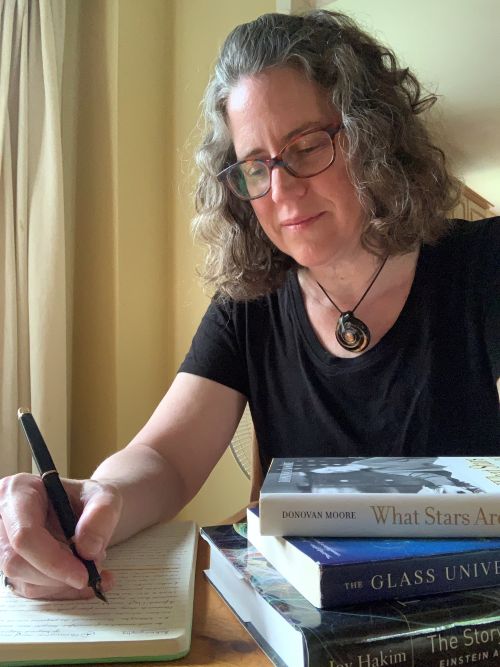
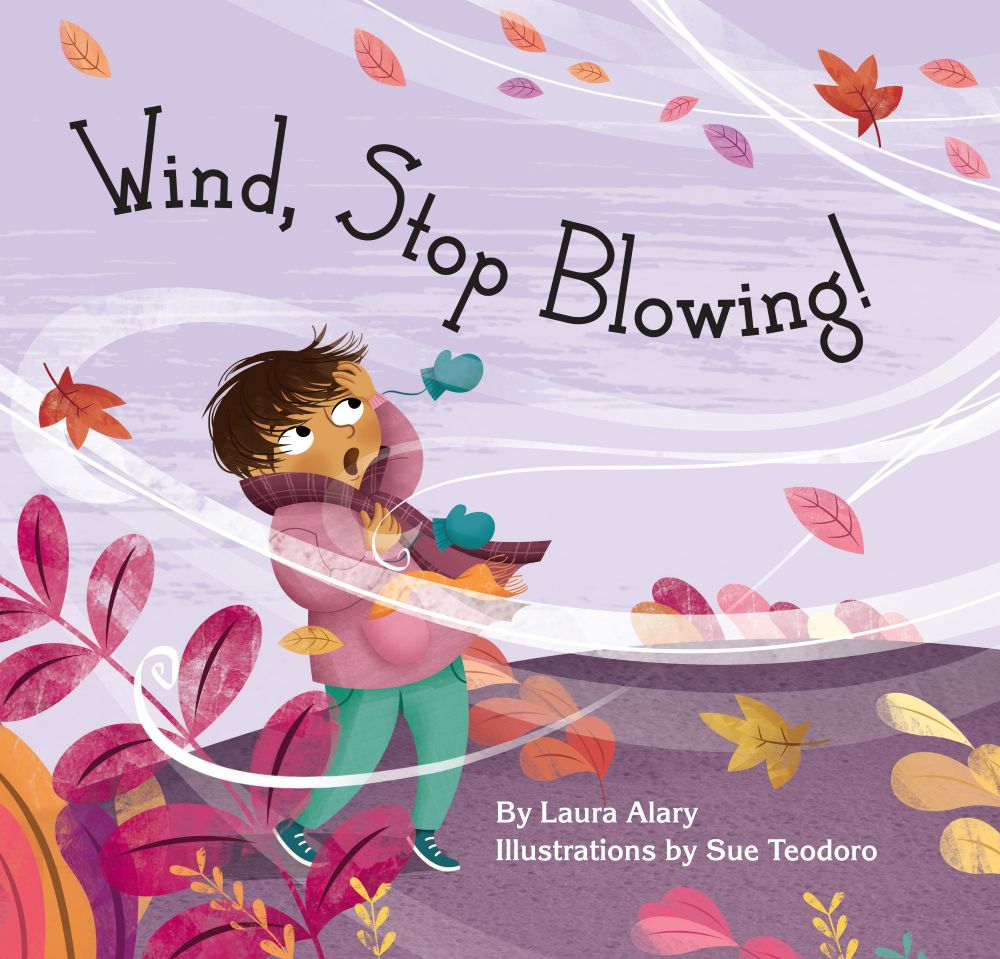
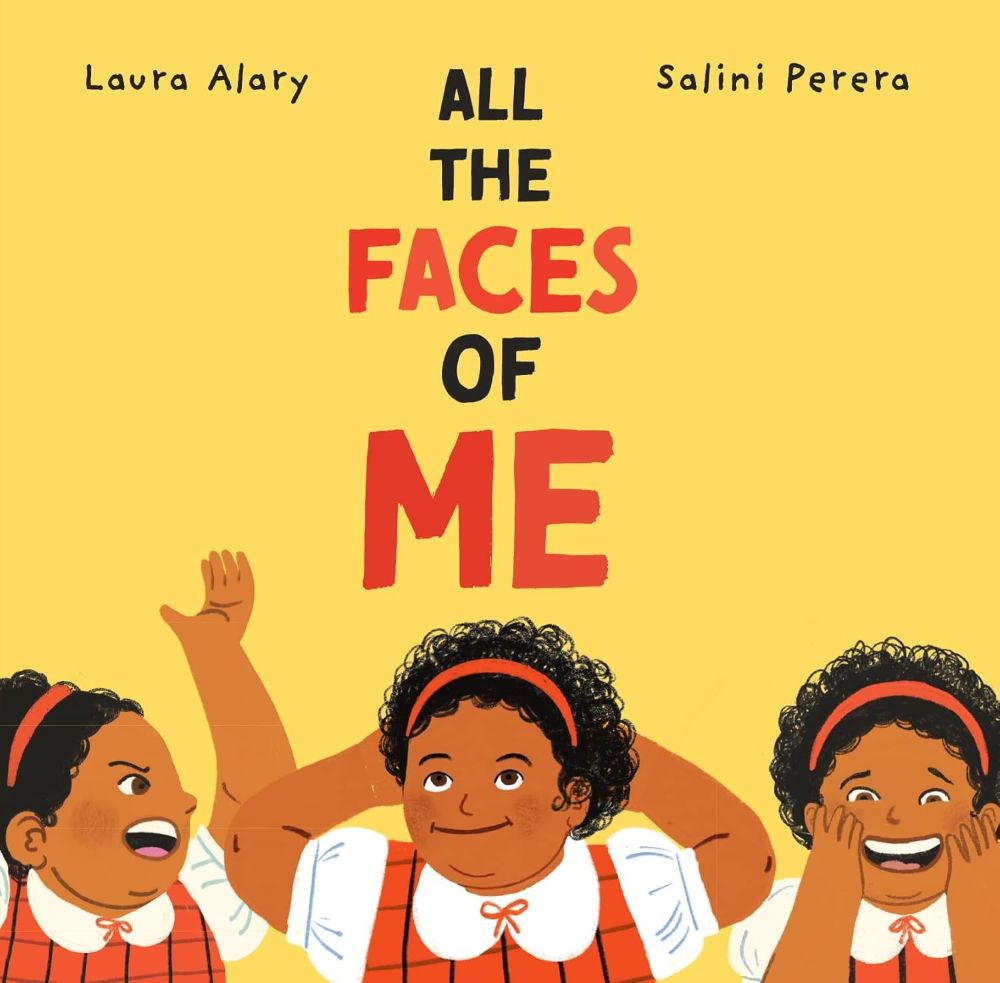
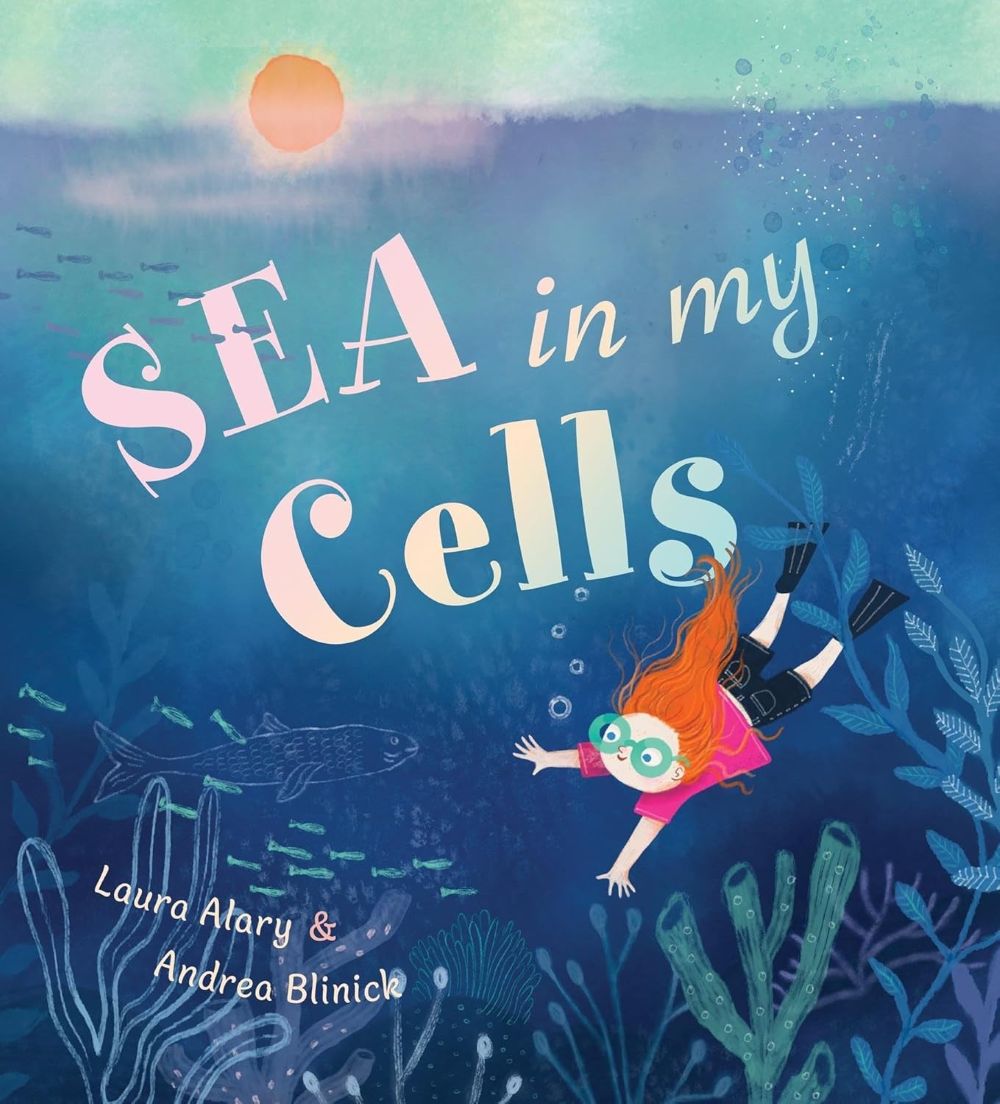
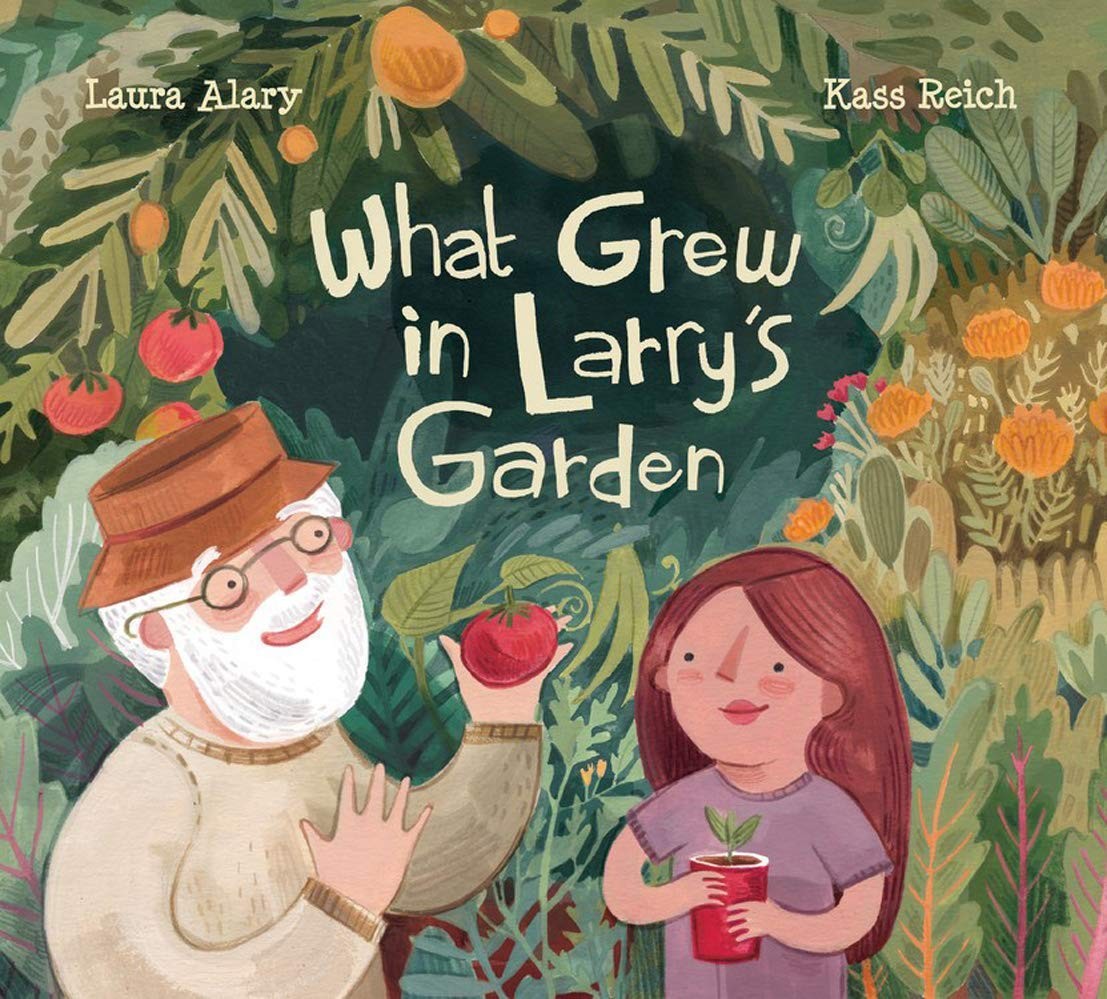
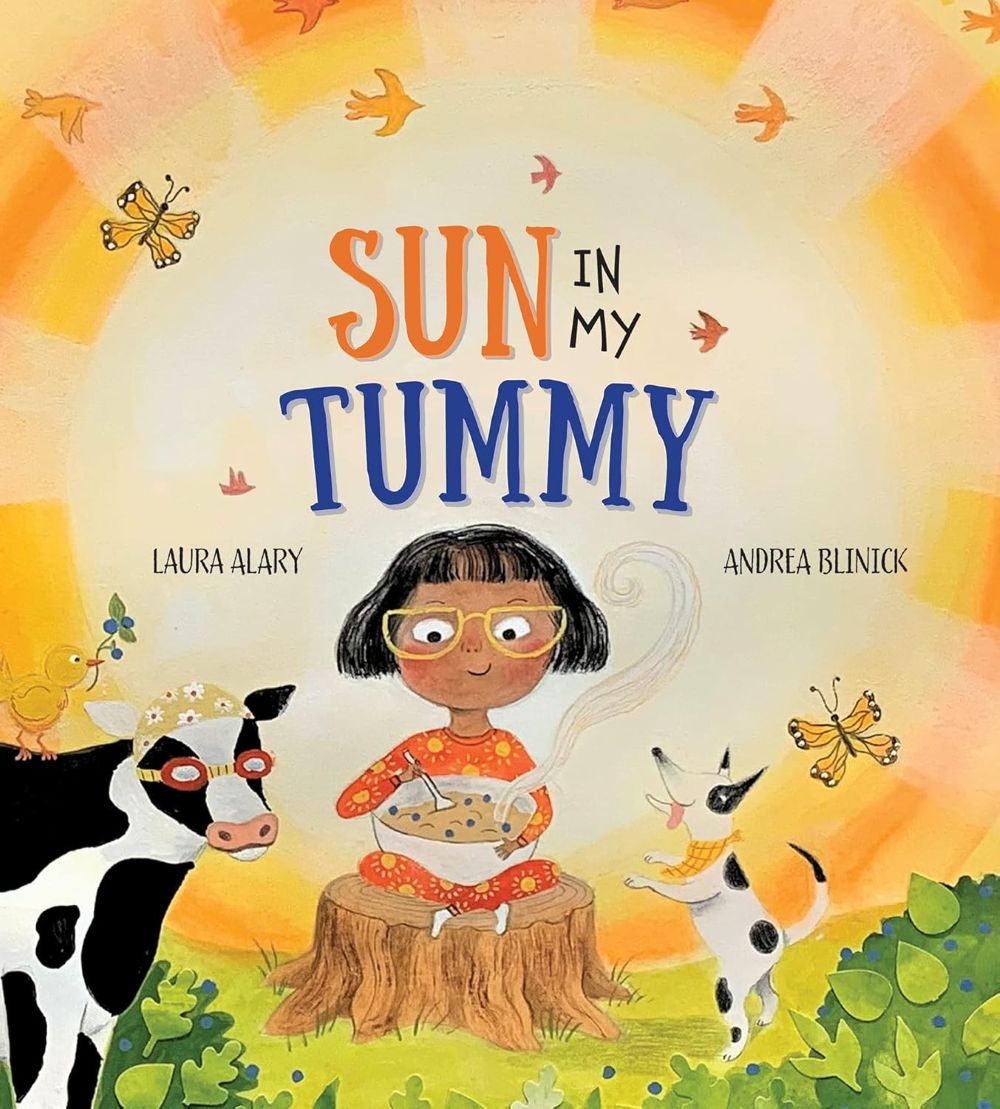
Laura Alary is a writer and storyteller who believes that stories can make us bigger on the inside. She has loved books from the time she could barely clamber up the steps to the bookmobile that rolled into her neighbourhood once a week. Having raised three creative and curious children of her own, Laura now writes books that invite all children to wonder, ask big questions, and be curious about the world. Her books for young readers include: What Grew in Larry’s Garden (Kids Can), The Astronomer Who Questioned Everything (Kids Can), Sun in My Tummy (Pajama Press), Sea in My Cells (Pajama Press), Who Needs the Dark? (Owlkids), Wind, Stop Blowing! (Skinner House), and All the Faces of Me (Owlkids), which was a 2024 Charlotte Zolotow Award Honor Book. Laura lives in Toronto, Canada. Visit Laura’s website to learn more.
Backstory: Q & A with Laura Alary
It is my pleasure to introduce you to Laura Alary and her fascinating biography of Cecilia Payne. I read many picture book biographies sent to me for review, and this one immediately stood out. I was impressed with the clear takeaway message and the accessible way in which Laura presents complex concepts to young readers and listeners as she tells of Cecilia’s lifetime accomplishments and personal triumphs. Laura’s answers to my questions are among the most thorough and heartfelt I have ever received for this blog. Please enjoy getting to know Laura and her books!
Judy Bradbury: Tell us about this project: What seeded its creation? How did you conceive of the themes of curiosity and trusting yourself as the foundation of this picture book biography?
Laura Alary: The seed of this book was an episode of Cosmos which included an animated segment about Cecilia Payne. I was struck by the magnitude of her discovery and the fact that she partially retracted her conclusions under pressure from senior astronomers but was later vindicated. I wanted to know more about her, so I started with her autobiography. That’s where I encountered the young Cecilia.
When Cecilia was a child she found a flower called a Bee Orchid growing near her home. She recognized it from drawings in books and examined it carefully to be sure. Her mother told her she must be mistaken, because the Bee Orchid doesn’t grow in England. But Cecilia knew what she had seen—and she was right! [See illustration from the book, above.]
It takes a lot of self-confidence for a child to trust the evidence of her own eyes and memory when an experienced adult tells her she must be wrong. Cecilia later said that was the moment she knew she was a scientist. She was already patient, curious, observant, and precise. She just needed to develop these powers and combine them with a good scientific education.
I loved the idea of her looking back on that memory and recognizing her eight-year-old self as a scientist, not just a little girl who might one day become one. As I describe in the book, she even dug up the Bee Orchid and planted it in her own garden as a reminder always to look carefully and have confidence in her own abilities. So it was really Cecilia herself who pointed me toward the themes of curiosity and trusting yourself.
JB: Tell us about a challenge you faced in the creation of The Curious Life of Cecilia Payne, or provide a memorable (or humorous!) anecdote related to the writing of the book.
LA: The biggest challenge for me was understanding the science behind what Cecilia discovered, then expressing it simply. It still blows my mind that she was able to look at those tiny dark smears (the spectra of stars) on glass photographic plates and use them as evidence to figure out the chemical composition of stars.
This might not be funny to anyone but me, but I had to laugh at how much I forgot between writing the story (ten years ago) and the release of the book in 2025. As we got closer to publication, my editor, Kathleen, kept coming up with wonderful new suggestions for back matter, and I panicked because I could only recall a fraction of what I had read when I was first researching the story! One summer I sat down and devoted my spare time to getting my head around things like the development of atomic theory in the late 19th and early 20th century. I have a sneaking suspicion I will forget it in another ten years, though.
Another funny moment was when the final art started coming in and the blackboard and notebooks were blank. Kathleen asked if I could advise Yas on what should be written on them. I had no clue! Fortunately, we found some helpful archival photographs to use for reference.
JB: What is one unexpected joy that came from the creation of The Curious Life of Cecilia Payne?
LA: One of the biggest joys (though not unexpected) was seeing my words interpreted by Yas Imamura. I’ve admired her work since I first saw it in The Very Oldest Pear Tree and The Gravity Tree and I am thrilled to have had the chance to collaborate with her on The Curious Life of Cecilia Payne.
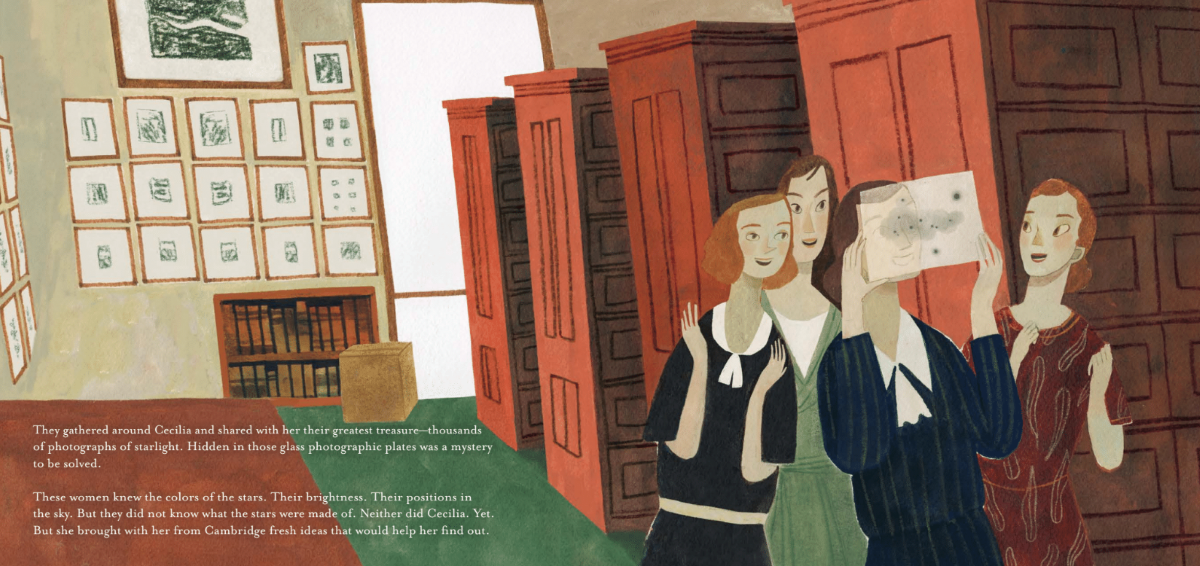
Illustration © Yas Imamura
Another joy (this one unexpected) was connecting with Dr. Katie Mack of the Perimeter Institute for Theoretical Physics. I needed an expert to fact-check an advance copy of the book for accuracy, but I wasn’t sure where to look for a willing astrophysicist! I already followed Katie on social media and was familiar with her book The End of Everything. The fact that science education is an important aspect of her own work made her a perfect choice, but I figured she might be too busy to accept my request. To my delight, she said yes and even signed my copy.
JB: What is your favorite illustration in the book? Why?
LA: There are so many, I don’t think I can narrow it down to one. I really love the first illustration of Cecilia lying on her tummy in the grass, examining the Bee Orchid [See above.]. There’s something peaceful and calming about all the green, and the way little Cecilia is so absorbed in examining the flower.
I also really like the final spread that depicts her “tough climb up a steep hill” and shows the amazing view. That one is a great example of how Yas has taken a metaphor (science as a climb) and rendered it visually in a more-than-literal way.
Another favourite is the spread where Cecilia first arrives at Cambridge. She’s striding along in a way that suggests she is confident and going somewhere. Her eyes are wide open and she is looking around, taking in everything. Surrounding her are symbols of past and present research, including the silhouettes of earlier scientists. This single spread says so much about Cecilia and about the human search for understanding—and how exciting it was for her to step into that flow!
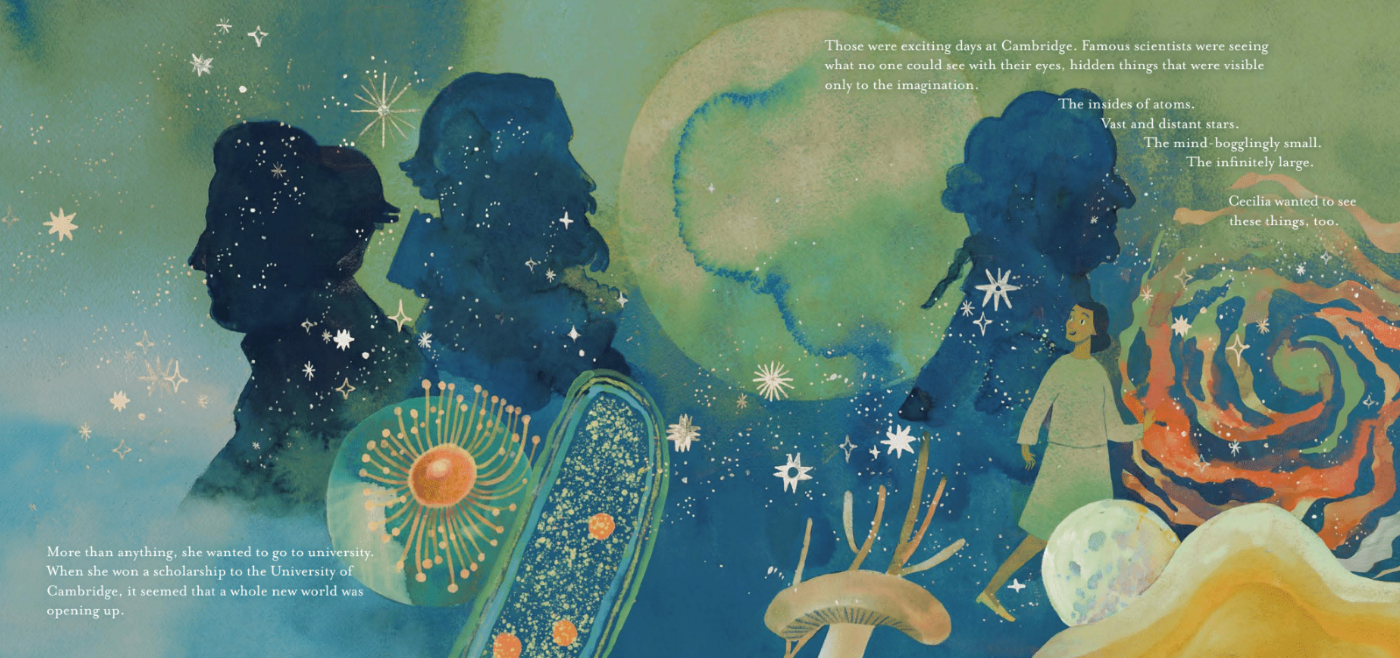
Illustration © Yas Imamura
JB: What would surprise readers to learn about you or about the writing of The Curious Life of Cecilia Payne?
LA: Some readers might be surprised to learn that my background is in arts and humanities, not science (let alone astrophysics). All through school I loved science, but as I moved into higher grades I began to struggle with math. At a certain point, the numbers and equations just didn’t make sense to me. That made it impossible for me to go further in subjects like physics too, so I felt shut out of the sciences.
My way back in turned out to be storytelling. As an undergraduate I studied Classics. Along the way I became intrigued by how ancient Greek thinkers like Eratosthenes and Aristarchus used their powers of observation in combination with their imaginations to figure out the answers to questions like: What is the circumference of the Earth? How far is it to the moon?
Learning about science in the ancient world sparked my interest in the history of science more generally and how we know what we know. I really enjoy learning about ideas, concepts, events, and people—especially ones who have been overlooked. Sharing those stories with young readers is a way for me to feel part of the world of science, and to share in its spirit of curiosity and enquiry, even if I am still much better with words than numbers!
JB: Who do you perceive your target audience to be and why?
LA: The answer to this question varies from one book to the next, but in the case of The Curious Life of Cecilia Payne I would say my target audience is elementary school-aged kids who, like Cecilia, are curious about the world—and the universe—and want to know more about how people find answers to their big questions.
I’ve always been a quiet person, and I tend to write quiet stories. That is, my books aren’t fast-paced or wildly exciting or laugh-out-loud funny. They appeal to kids who like to take their time, be drawn in, and go deep. I always leave space for wondering and reflection, so young readers who are drawn to my books tend to be very questioning and even contemplative.
JB: What do you hope young listeners / readers will take away from The Curious Life of Cecilia Payne / What need(s) does this picture book biography satisfy?
LA: As an author I always have ideas about what I want to say in a book, though what readers find is not always what I thought I put there! That’s part of the excitement and mystery of reading and writing. There needs to be room for listeners/readers to figure out what meaning they find and what is important to them.
Having said that, I do have hopes.
I hope that The Curious Life of Cecilia Payne shines some light on a woman who should be much better known. I hope it sketches a bigger picture of the history of science and lets young readers see that women have made substantial contributions to it. I hope it affirms for all kids that women belong “in the world of stars and atoms” or wherever else their curiosity takes them.
Just as important as the science is what this story shows about Cecilia as a person. She is persistent in the face of obstacles (both external and internal). When she makes a mistake, she gets up again, keeps going, and learns from it. She works well with others and is always aware that her efforts are part of a much bigger story of learning and discovery. Despite moments of self-doubt and feeling like an outsider, she manages to find her place, her people, and confidence in her own abilities. So I hope that kids who feel this way too will find encouragement in Cecilia’s story.
There is one thing about the book I want to clarify. I have heard a few people comment that this story teaches kids to trust their intuition. While intuition can be valuable, what gave Cecilia confidence throughout her life was learning to trust her own expertise, which she gained through hard work. There is a place for intuition in science, but it needs to rest on the solid foundation of thorough research. When Cecilia told her students to trust themselves, she meant: Do your work well so you know what you are talking about, then have confidence.
JB: How do you see The Curious Life of Cecilia Payne connecting to curriculum or being used in learning settings?
LA: There are lots of curriculum connections to science: botany, chemistry, physics, geology, astronomy (and math, of course). At the elementary level, that would include topics like plants and photosynthesis, changes in matter, light, and space. While some of the science in the book will be over the heads of younger readers, there are still connections to be made to things within their reach, like how prisms split sunlight into its component colours.
Seeing Cecilia as a child spending time exploring the outdoors invites kids to do their own exploring, observing, and measuring. The book shows her examining rocks, getting to know trees up close, learning the names of constellations, experimenting with chemicals, and drawing pictures of plants. All these things could inspire some fun elementary science lessons.
Older elementary kids could dig into the back matter, especially the timelines. Maybe they could choose a question (What is the smallest unit of matter? How does a telescope work?) and create their own giant timeline, showing how different people contributed to answering the question. They could also look more closely at some of the other players in the story, like the Harvard Computers.
The Curious Life of Cecilia Payne would also be good for social studies classes, especially those that deal with the place of women in history (including science and education). For example, I think kids would be startled (and hopefully appalled) to learn that even though she did all the work required, Cecilia was not awarded her undergraduate degree because at that time the University of Cambridge would not grant degrees to women!
I think it could be interesting to set students loose to learn more about Cecilia Payne’s life and times, and how being a woman affected how she was treated and the opportunities she had. Maybe while they’re at it, they could choose some of the other women mentioned in the back matter and learn about them too.
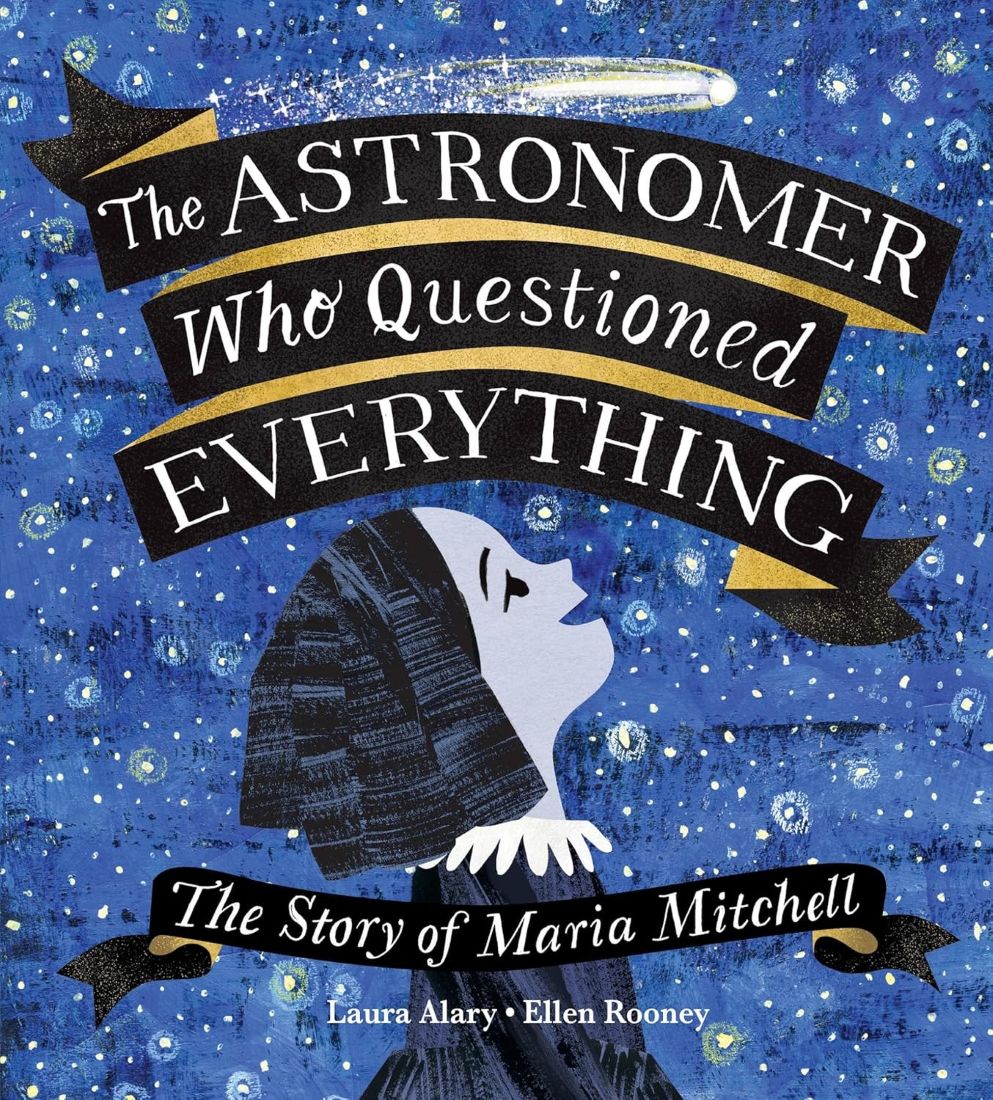
JB: You also have written a picture book biography about astronomer Maria Mitchell, The Astronomer Who Questioned Everything, illustrated by Ellen Rooney. [Cover featured above.] Compare these STEM-related SEL picture book biographies about women astronomers and tell how they are related in themes.
LA: I’m glad you pointed out that both books combine STEM and SEL. The science is always fascinating, but equally intriguing are the women themselves, the obstacles they faced (and often overcame), and the character traits that helped them do it.
Both Maria Mitchell (in the 19th century) and Cecilia Payne (in the 20th) encountered limitations because of their gender. Both had the experience of being shut out (sometimes literally) of scientific spaces, or being paid less for the same work, simply because they were women. On the other hand, both had the good fortune to be born into families where education was valued and both boys and girls were encouraged to learn, read, and explore. As children, both Maria and Cecilia spent a lot of time roaming around outdoors, which is clearly a great way to nurture a budding scientist.
By nature, both Cecilia and Maria were curious and full of questions. Both books emphasize these qualities. The Astronomer Who Questioned Everything focuses on Maria as a collector of objects, questions, and ideas, and how they become part of her search for a path that will allow her to see beyond the relatively small world in which she grew up. The Curious Life of Cecilia Payne emphasizes Cecilia’s desire to see beneath the surface of the material world and understand what things are really made of.
Both books share themes of curiosity, questioning, freedom, intellectual courage, and honesty—the search for truth even if it rattles comfortable assumptions.
JB: If you could ask your young audience a question, what would it be?
LA: What are you curious about? What unsolved mysteries about the Earth and the universe would you like to have answers to?
JB: What project(s) do you currently have on your desk?
LA: I have quite a few projects at various stages of completion, including two more books coming out in 2026. The first, Around the Circle, is a journey through the seasons of the church year for young children. The second, whose title has not yet been announced, is a story about friendship and communication, set in Newfoundland in 1901 (there’s a historical event in the background that involves science and technology).
I’m also working on another STEM book that will be a companion to my earlier books Sun in My Tummy and Sea in My Cells. Like those, this new one looks at a particular cycle in nature and shows how it is part of a child’s own body.
There are others, but it’s too early for me to say much about them yet. One thing is certain: I will keep writing picture book biographies, especially about people who want to understand the world around them and the cosmos to which we all belong.
JB: What is one question you wish I had asked, and what is your answer?
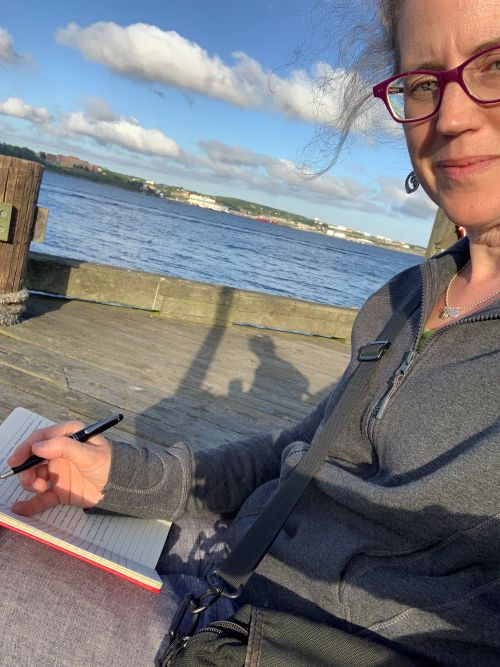
LA: Your questions were thoughtful and thorough, so I’m not sure what I would add. If you had asked me where I like to write, I would have said anywhere there is good natural light and a quiet atmosphere. No background music for me! A view of water is ideal. Sometimes I take my pen and notebook and go sit by the lake. That’s one advantage of being an old-school, write-by-hand sort of person. I can go wherever I want and never have to plug anything in!
Meet the Illustrator of Cecilia Payne
The illustrations for this book were created with gouache and watercolor by Yas Imamura. Learn more about Yas and the books she has illustrated, many of them picture book biographies, on her website. You can also find Yas on Instagram.
Read Laura’s conversation with Yas about their book.
Other Books by Laura Alary
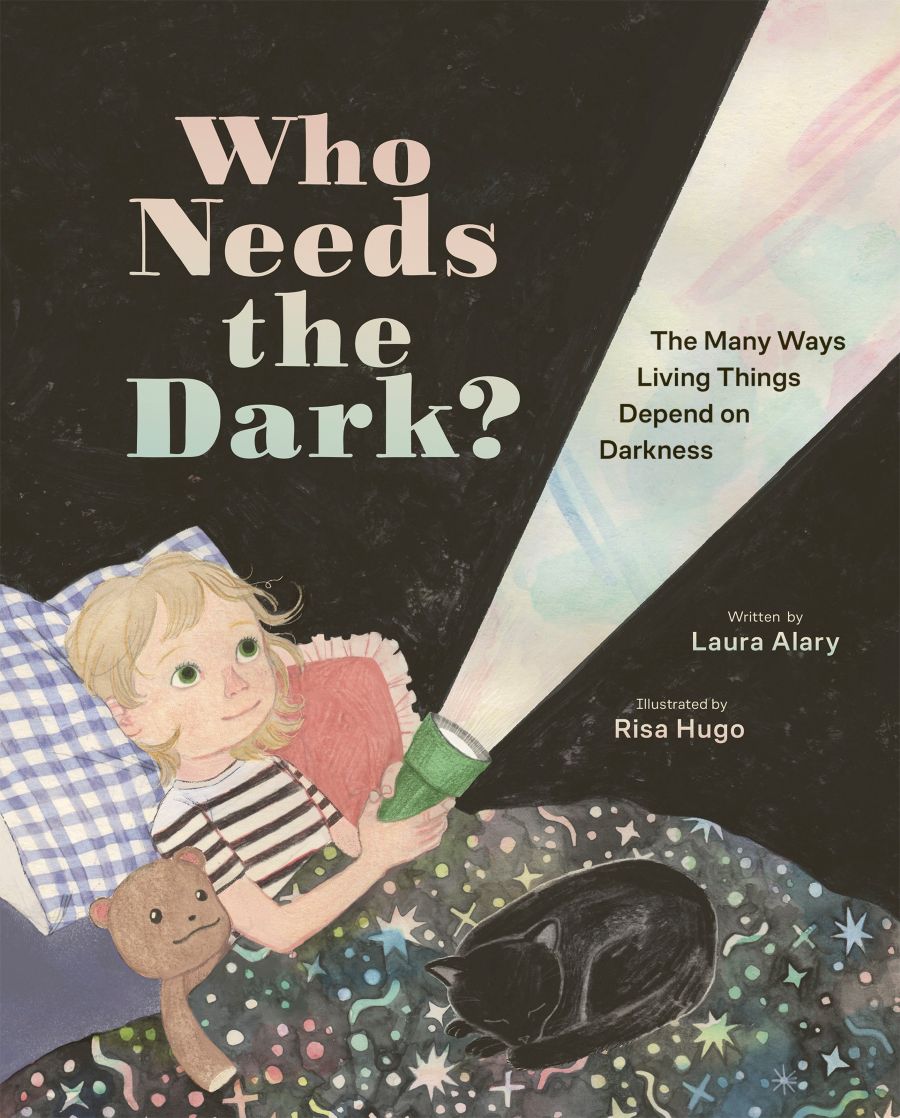
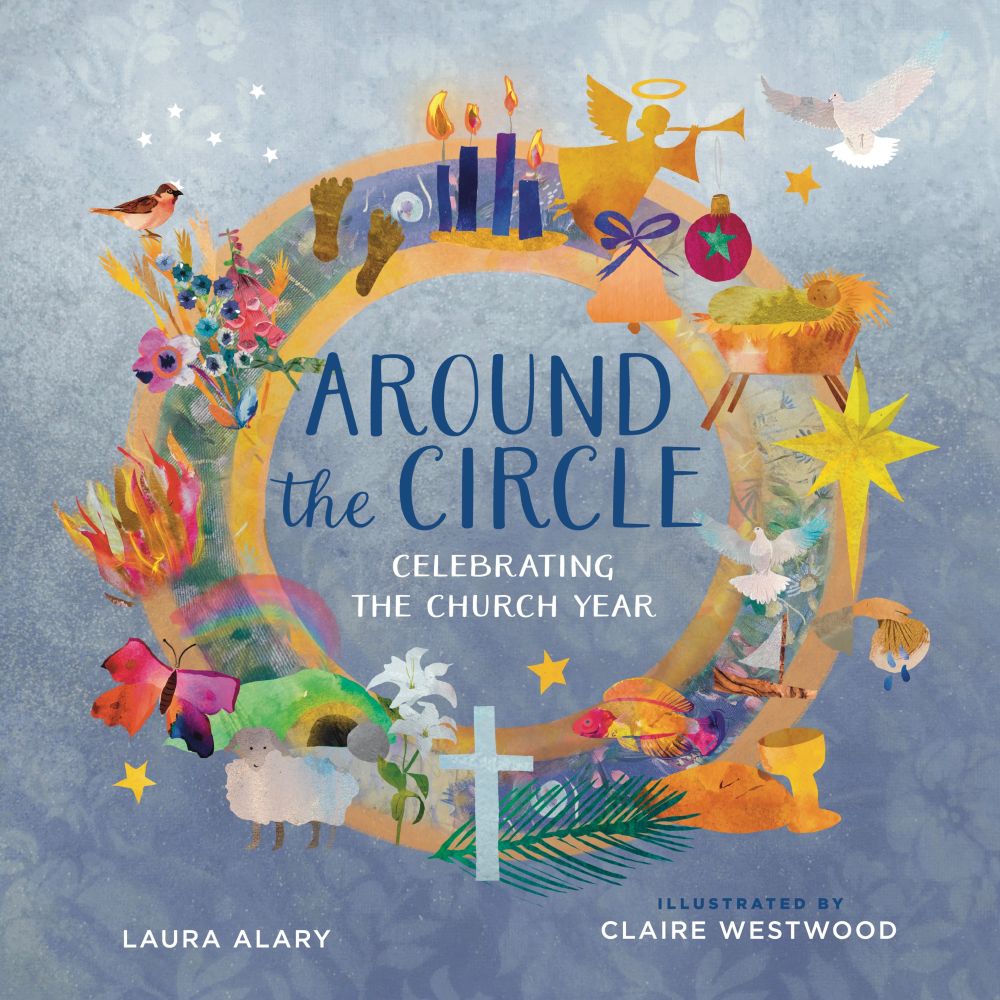
Sidebar Spotlight New releases of note
Each month I receive several boxes of books for review from various publishers. As I read and peruse the books, I place them in two piles: those that I will consider featuring on the blog, and those that don’t fit the theme of Children’s Book Corner blog for whatever reason. Ultimately, I choose the one new release I will feature on my monthly blog post. Yet there are many terrific books I wish I could give a shout-out to, even if I can’t write an entire post about each one. So I highlight those books on most Mondays on Instagram and Bluesky.
Sidebar Spotlight is a means of giving a nod to new releases that, in my opinion, are noteworthy. I’ve linked each title to Bookshop so you can learn more. Happy reading, friends! And feel free to comment on these or other new books in the Comments section at the end of this post.
Copland: A Story About America by Veronica Wang is a creatively written biography of Aaron Copland. Many of the spreads begin with the line, “This is a story about music, and it is also a story about …”. Yes, music but also about being a first-generation American, trying new things, taking risks, facing struggles, and more. Mang effectively widens the lens to reflect on who we are when we listen and when we dream. An excellent read-aloud for Grades 3-5 with many possibilities for discussion.
Little Red and Big, Bad Fred by Ashley Belote is a thoroughly entertaining, comic fairy tale retelling that will have kids completely engaged. A perfect read-aloud for primary graders who will love being in on the joke!
Together We Build by Susan Vaught and gorgeously illustrated by Kelly Murphy is a lyrical ode to family solidarity in overcoming serious challenges. Readers witness a family rebuilding their home and farm following a flood, and their triumph shared with neighbors and friends. A satisfying, well-crafted read aloud recommended for ages 4-8.
Thanks for reading Children’s Book Corner! If you would like monthly posts delivered free to your inbox, sign up here. We never sell or share subscriber information.
News, Updates, & Items of Interest
I Hear the Snow, I Smell the Sea by Janice Milusich, illustrated by Chris Raschka has been named a 2026 Schneider Family Younger Children Honor book. The Schneider Family Book Awards honor authors or illustrators for books that “embody an artistic expression of the disability experience for child and adolescent audiences.” Find my interview with Jan and resources for using the the book on this previous Children’s Book Corner post.
Faith Takes a Train by Kesi Augustine, illustrated by Mokshini was awarded the 2026 Ezra Jack Keats Award for Illustration and an Ezra Jack Keats Honor Award for writing. Find my interview with Kesi and resources for using the book on this previous Children’s Book Corner post.
The Pie that Molly Grew by Sue Heavenrich, illustrated by Chamisa Kellog was selected as the Indiana Farm Bureau 2026 Book of the Year for Ag in the Classroom. The goal of the Indiana Farm Bureau Book of the Year program is to “provide tools to promote agriculture literacy and further the mission” of their Agriculture in the Classroom program. Find my interview with Sue and resources for using the book on this previous Children’s Book Corner post.
Children’s Book Week, established in 1919, is a celebration of books and the connection they bring. It takes place May 4-10, 2026! The 2026 Children’s Book Week Poster has been created by Grace Lin to celebrate curiosity in light of this year’s slogan: Books: Get Curious! (a fitting theme for this month’s featured book, Cecilia Payne!) Sign up to receive two free copies of the poster and to be updated on additional free materials as they become available. Visit the Every Child A Reader website to learn more about free materials, resources, and activities.
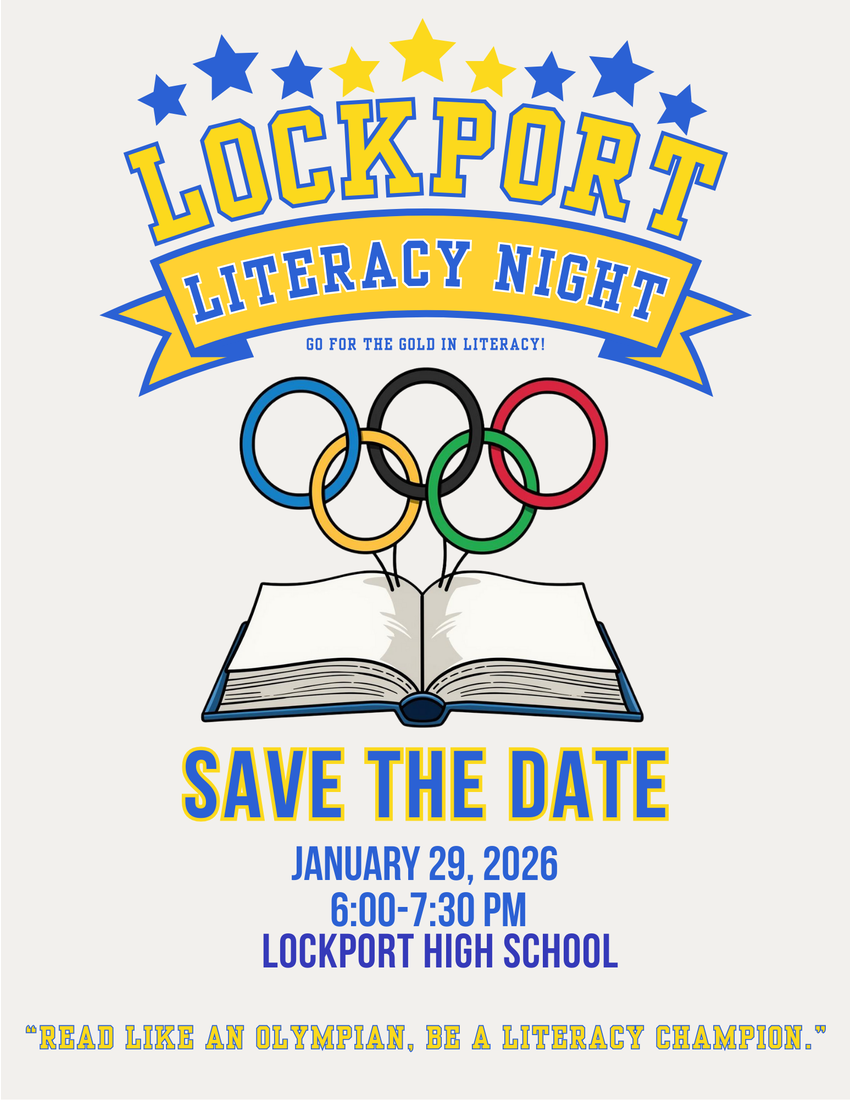
Due to inclement weather, the Family Literacy Night for Lockport Central School District students and families was postponed. The new date is April 21st.
Find more information about where my books and I will be on my Events page.
You can find me online at Instagram, Bluesky, and LinkedIn where I post about books, book-related items of interest, Little Free Libraries, and occasionally travel (on IG). Connect with me there!
I am currently booking school visits and professional development sessions for the Spring/ Summer 2026 and the 2026-27 school year. Find information and contact me to discuss a visit tailored to meet your school’s needs.
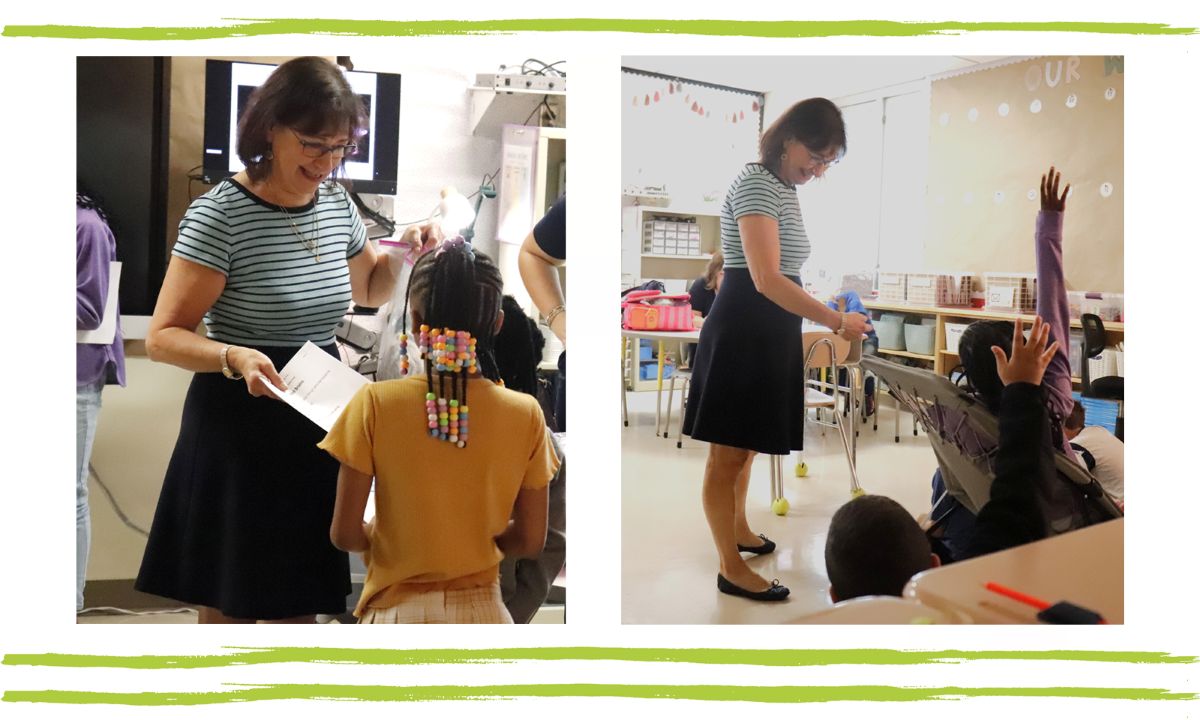
Photo credit: Jody LaRose
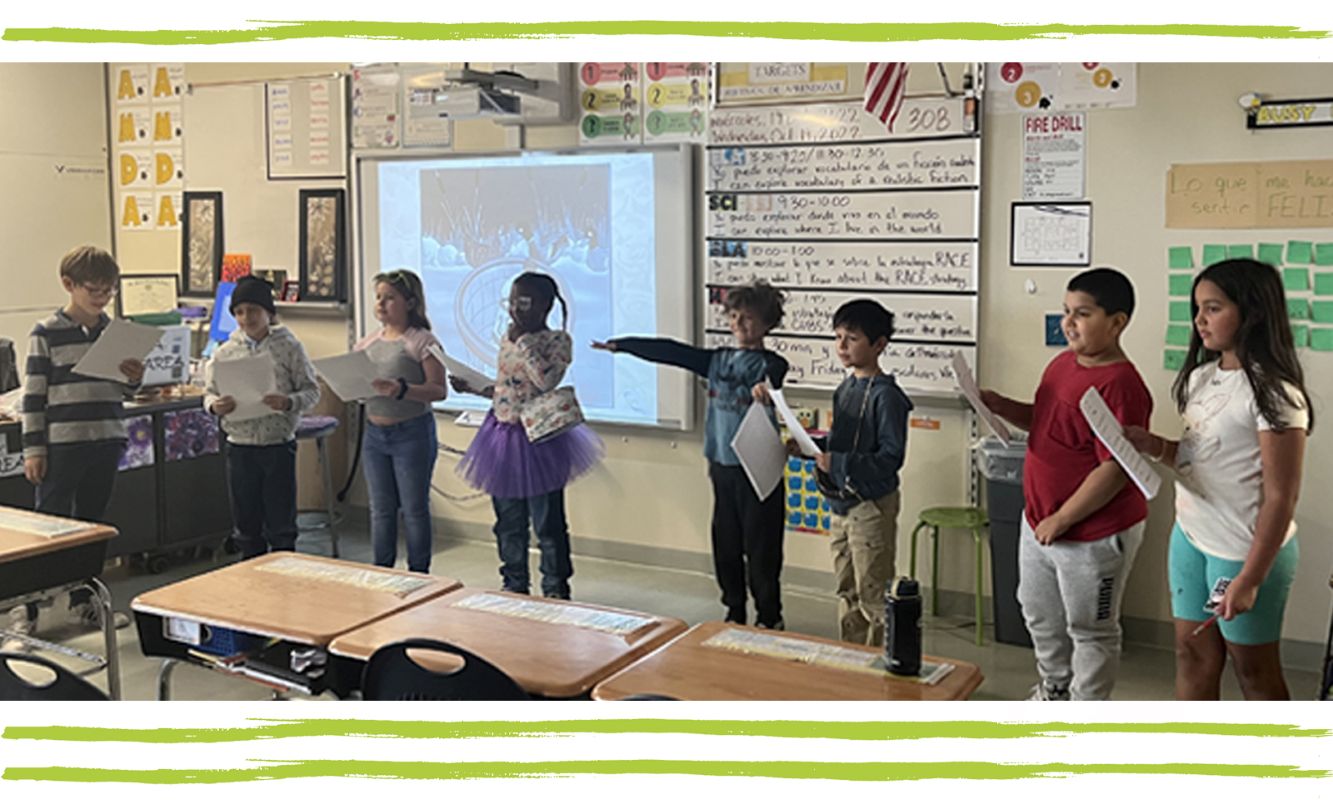
Readers Theater with props! Cayuga Island Kids Book 2, The Adventure of the Big Fish by the Small Creek
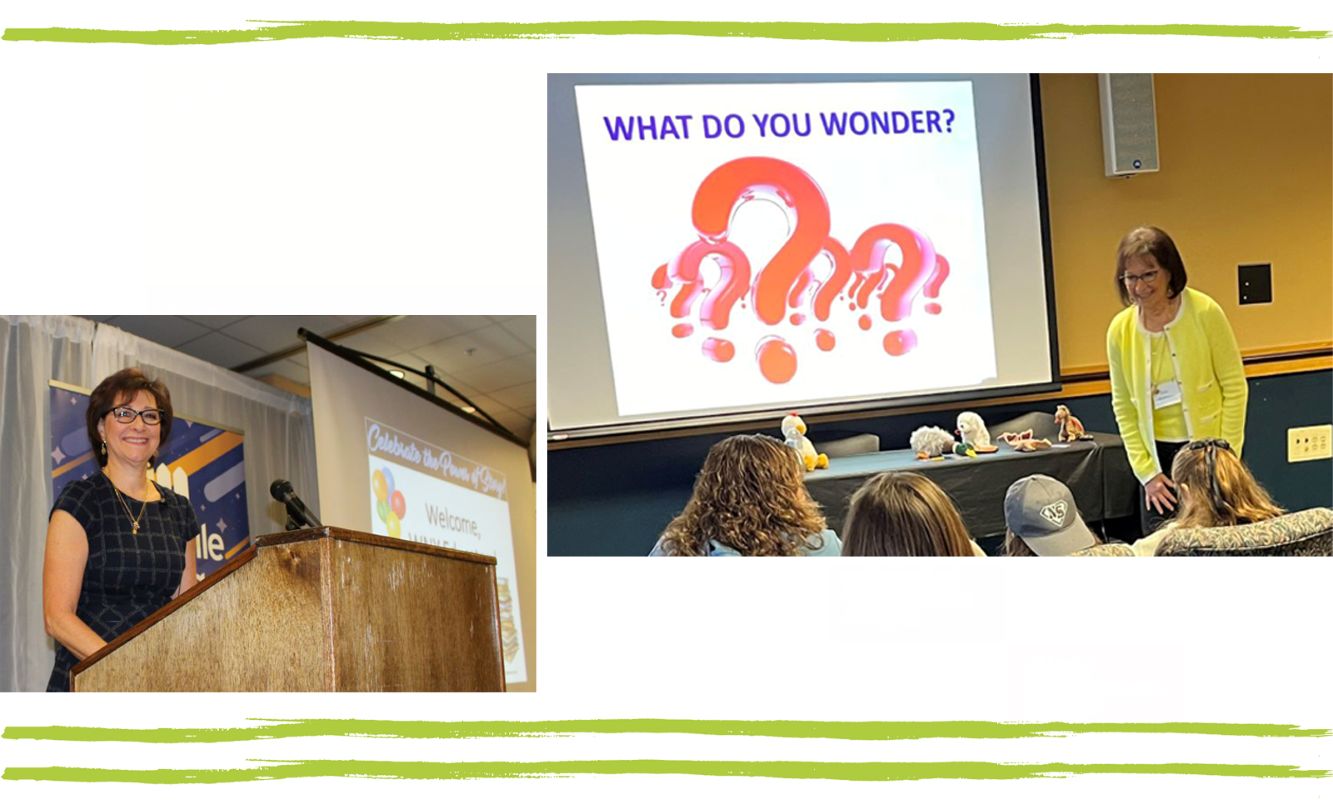
Small and large group presentations
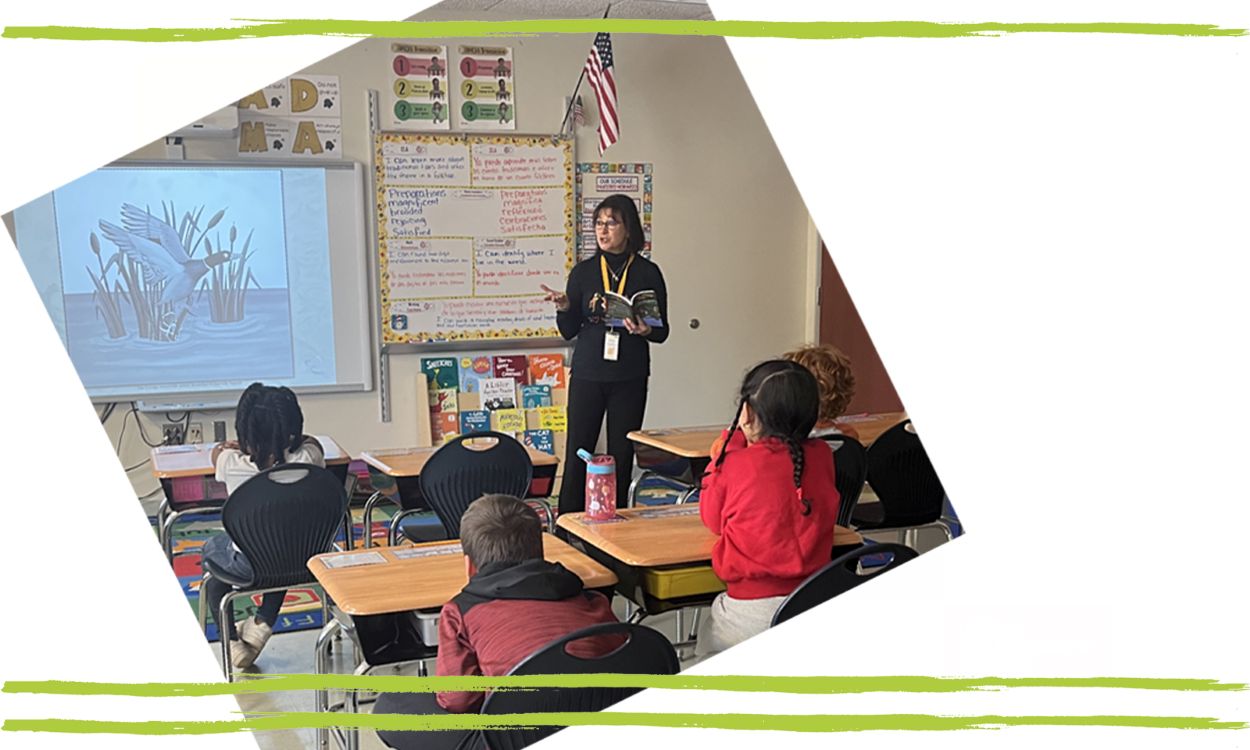
A note received following a recent school visit:
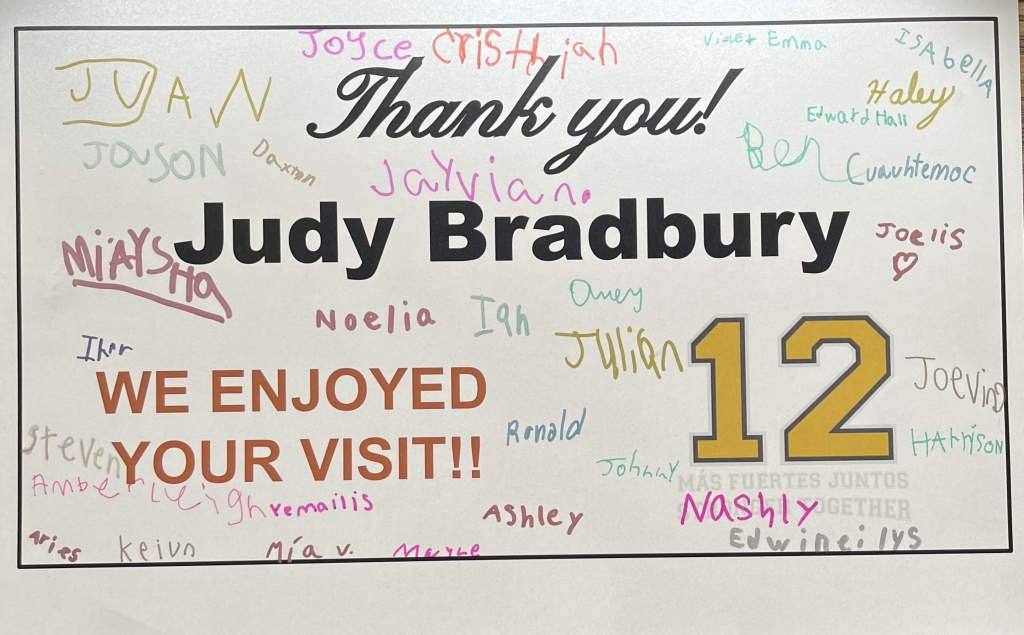
Thank you so much for coming to meet with my students. You were wonderful, answering their questions and explaining how you wrote the book. We all loved it! Here are some illustrated thank you notes the students made for you. Thank you again!
And here’s a note I received after presenting “SEL-Related Children’s Books with Curriculum Tie-Ins” to teachers and librarians of Grades Pre-K—Grade 6:
Thanks so much for presenting! I heard wonderful things about your workshop! One person mentioned to me that you were so organized and passionate. They also loved seeing all the children’s books you brought with you!
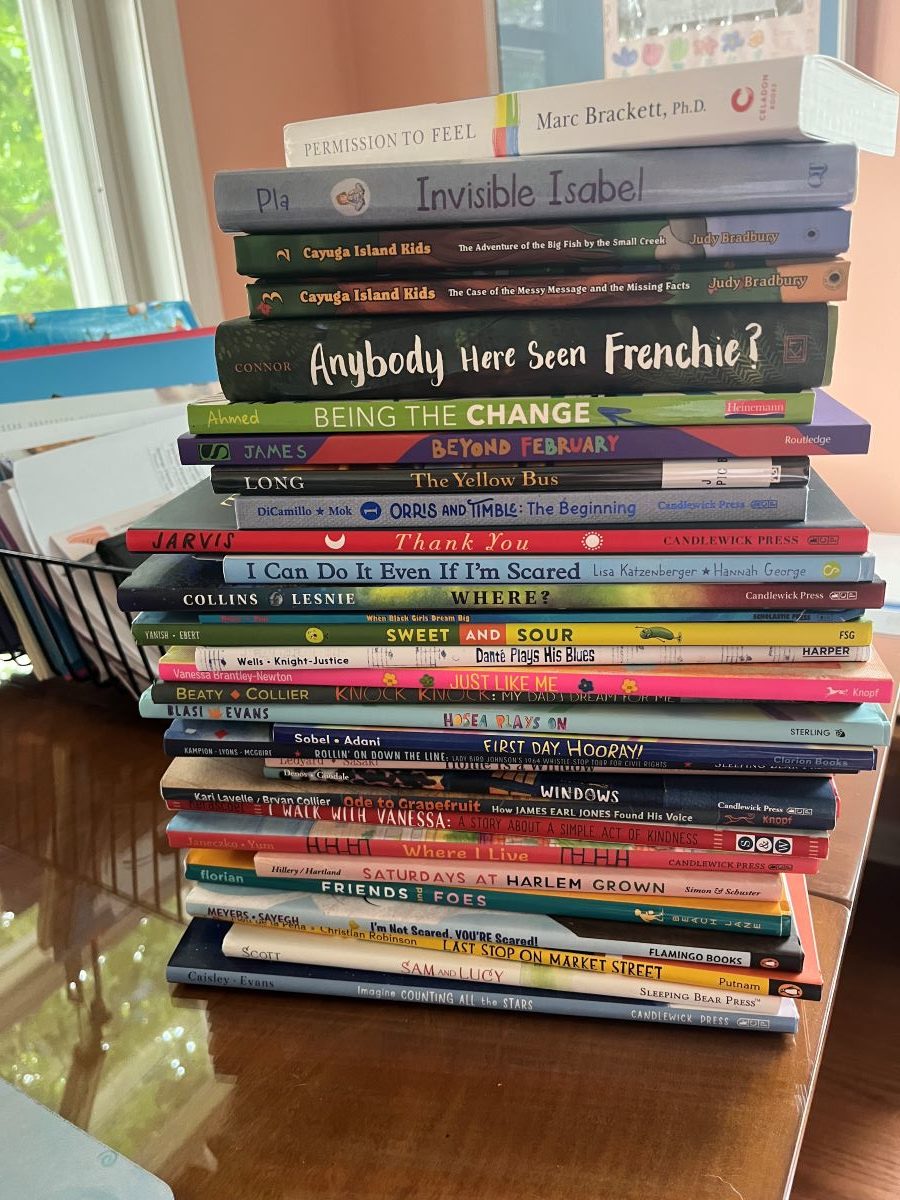
Find my books packaged as a series at your favorite bookseller. Individual titles are also available in hardcover, softcover, and e-book versions.
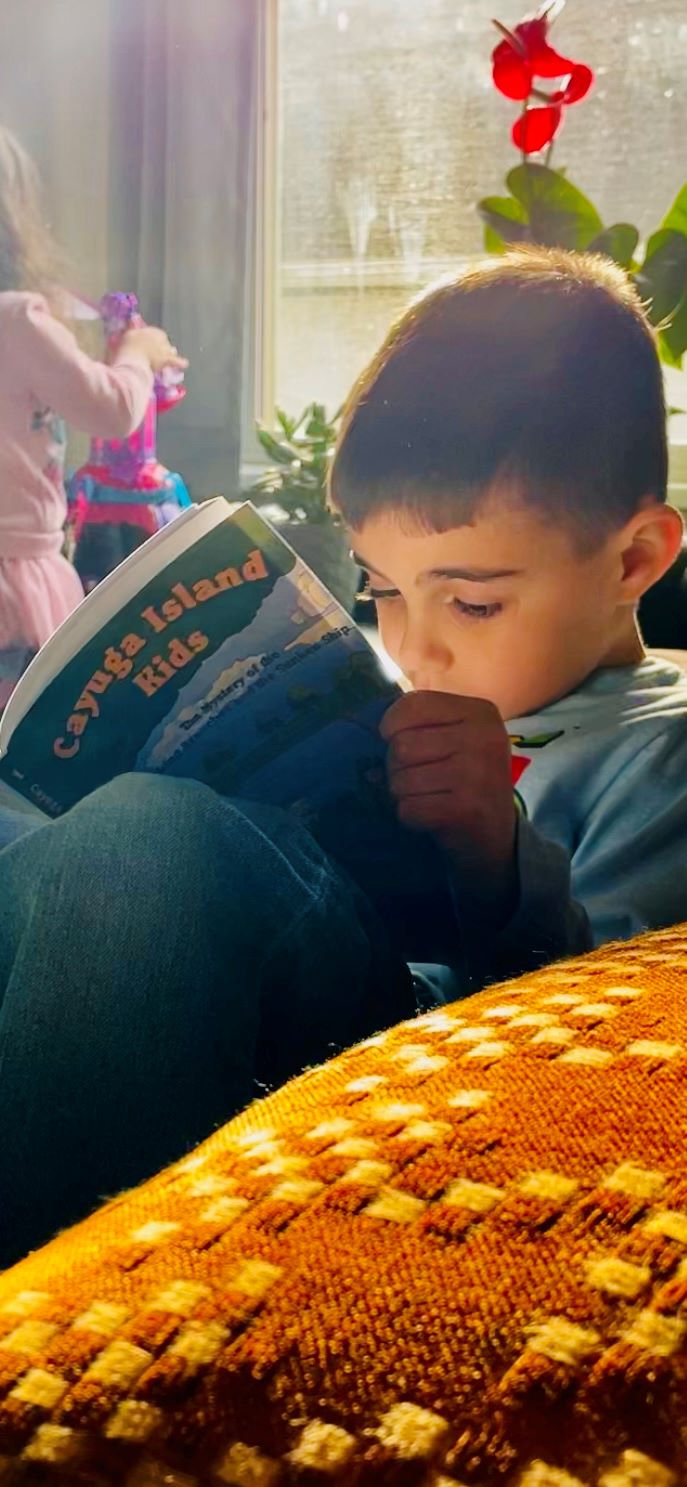
Kindness tip: If you read and like a book, consider posting a review on GoodReads, social media, or on Amazon (if you bought it there). Authors and illustrators appreciate the shout-out. Even a one-sentence comment increases visibility of a book. Also consider placing a request with your local library to purchase a copy–another free way to support a book you recommend!
Over to You…
Join the conversation! Offer your thoughts related to this month’s post in the Comments section below:
Is there a picture book biography that stands out to you? Share the titile, author, and suggested age or grade range.
You are also welcome to post a general comment.
Thanks for sharing!
Final Thought
“Your reward will be the widening of the horizon as you climb. And if you achieve that reward you will ask no other.”
~ Cecilia Payne
That’s it for this month! Like what you’ve read today? Have Children’s Book Corner delivered to your inbox each month. Sign up for free! We never sell or share subscriber information.
0 Comments