

“What our elders call “a Cherokee approach” to life…is “being of good mind.” That means one has to think positively, to take what is handed out and turn it into a better path.”
~ Wilma Mankiller
Why this book? Why will it matter to kids?
Who Was Wilma Mankiller? offers readers insight into Native American culture and history, and provides opportunities for discussion of Native American principles that encourage thoughtful, productive approaches to solving problems.
Why read aloud?
We gather to share a book. We settle into a safe space as we interact with the book. We talk and reflect, exchanging thoughts, exploring concepts, building background knowledge—and community. When read-aloud sessions are routine, children become comfortable voicing their perspectives. They grow in active listening skills and learn to respect the thoughts, feelings, experiences, and beliefs of others. When we (educators, parents, and caregivers) select age-appropriate, length-appropriate stories based on needs and abilities, we offer children the opportunity to see themselves, see others, find validation, and contemplate solutions to conflicts and challenges that they may not have considered.
Read-aloud sessions are inclusive: there is no reading skills or level barrier, and learning obstacles are mitigated by preparation prior to reading the book aloud. In a read-aloud session there is immersion as well as the comfort of distance from the challenges the characters encounter.
Reading aloud engages listeners, offering a positive, secure, stress-free “learning without struggle” experience grounded in a book, the value of which cannot be overestimated.
“You think your pain and your heartbreak are unprecedented in the history of the world, but then you read. It was books that taught me that the things that tormented me most were the very things that connected me with all the people who were alive, or who had ever been alive.” ~ James Baldwin
Levels and Layers of Learning
Grade level: 3-4
Social-Emotional Learning Themes
Acceptance, connection, courage, creativity, curiosity, dedication, diligence, effort, empowerment, encouragement, fortitude, friendship, generosity of spirit, gratitude, hope, inspiration, integrity, kindness, perseverance, persistence, perspective, relationship skills, resilience, resourcefulness, respect, responsibility, responsible decision-making, self-assurance, self-awareness, self-management, self-reliance, social awareness, tenacity, understanding
Content Area Connections: Social-Emotional Learning; Social Studies: Community, Civil and Social Rights
Using This Book in the Classroom
Hit the Ground Running Ready Resources for Educators, Homeschoolers, and Parents
View this short video introducing Wilma Mankiller.
Write Away! Ideas to prompt writing
“[There is} a deep connection between how students read, write, and communicate, and how they develop socially and emotionally.” ~ Justina Schlund, Director of Field Learning for CASEL
Wilma Mankiller believed in “being of good mind,” a principal element in a Cherokee approach to life. She said, “I had faced adversity and turned it into a positive experience—a better path.” (page 5) Thinking positively, focusing on solutions and positive outcomes, helps us overcome challenges. Tell about a time when you were “being of good mind” or how you might try to “be of good mind” in a challenging experience.
Wilma Mankiller was a dedicated leader of her people. Which of her qualities do you admire most? Explain.
Wilma had fond memories of Cherokee family and community life, particularly when extended families came together. (pp. 11-12) Tell about your favorite activities during family events.
Choose one of the historical references found in the book. Research to learn more and write about it. Suggestions:
- Trail of Tears
- Indian Relocation Act (1956)
- Alcatraz Island occupation (1969)
- Bell Water Project
- Bureau of Indian Affairs
- Presidential Medal of Freedom
Andrea offers a list of additional research topics in her interview. See below.
For more writing activities, see the resource packet for this book created by Andrea.
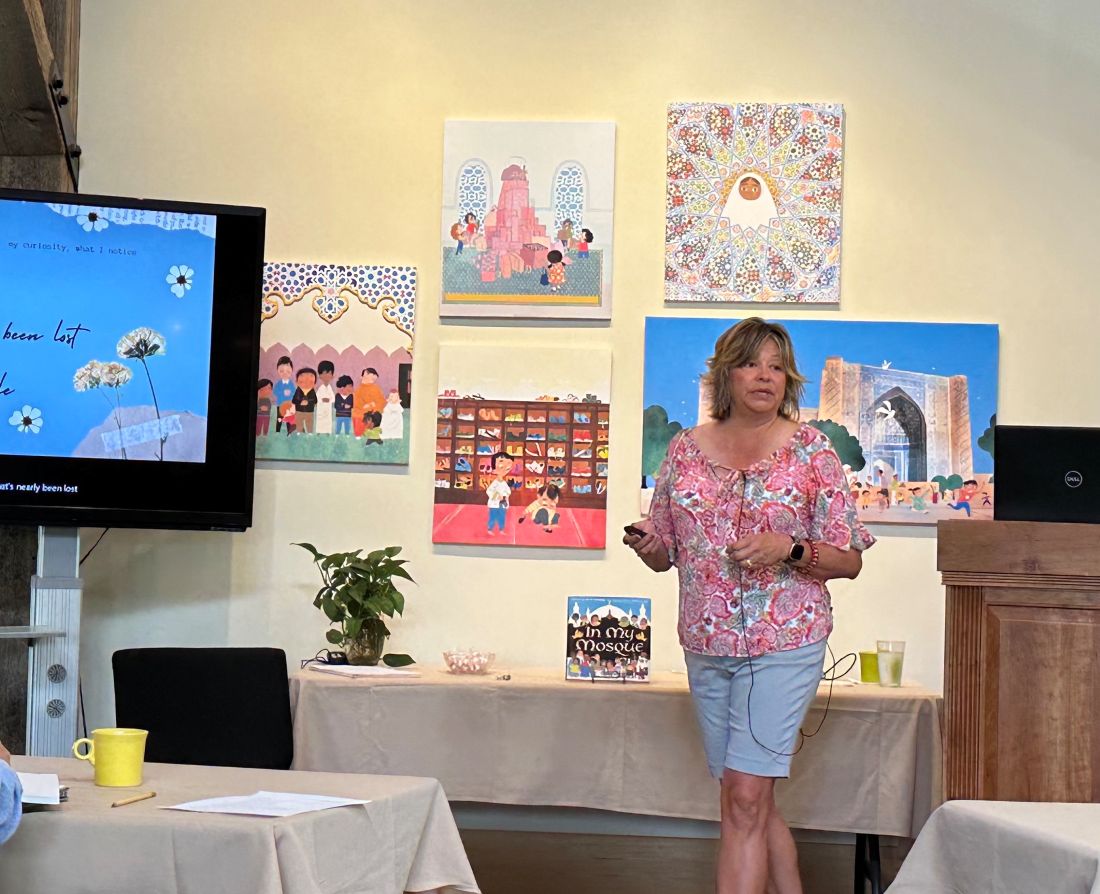
Andrea presenting at Highlights Foundation
Poetry Break Related poetry to recite before or following the reading of this book
Poetry breaks fit perfectly into the framework of the school day. These brief moments can signal change, smooth or frame transitions—from beginning or ending the day to lining up for lunch; from zipping up backpacks and jackets to shifting from one subject to the next. Poetry breaks can reset mood or tone, providing a moment to pause, reflect, and breathe. Reading a poem aloud typically takes less than a minute, yet it can introduce or reinforce a concept, provide clarity, celebrate language, exemplify rhythm, enhance vocabulary, expand understanding, increase attention span, initiate reflection, spark imagination, or simply summon a giggle. And, poetry soothes and strengthens the spirit.
“Poetry builds resilience in kids and adults; it fosters Social and Emotional Learning. A well-crafted phrase or two in a poem can help us see an experience in an entirely new way.” ~ Elena Aguilar
Poetry Collections for November
- A Child’s Calendar poems by John Updike, illustrated by Trina Schart Hyman; see “November”
- Autumnblings by Douglas Florian
- Holiday Stew: A Kid’s Portion of Holiday and Seasonal Poems by Jenny Whitehead; see Fall chapter
- Thanku: Poems of Gratitude edited by Miranda Paul, illustrated by Marlena Myles
- We Are Grateful by Traci Sorell, illustrated by Frané Lessac
Recently Released Poetry
- Limelight: Curtain Up on Poetry Comics a graphic novel by Renée M. LaTulippe, illustrated by Chuck Gonzales; theatre-inspired poems and comics follow the journey of a musical from auditions to opening night. Grades 4-6.
Make poetry part of every learning day! Check out this outstanding resource curated by Sylvia Vardell chock-full of ideas for finding and sharing poetry with young people
And Then There’s This…
Enrichment activities, related books, online resources, craft projects, and ideas for further study
Andrea has created a variety of resources for Who Was Wilma Mankiller? available online.
Learn more about the WhoWas series of chapter books on the dedicated interactive website.
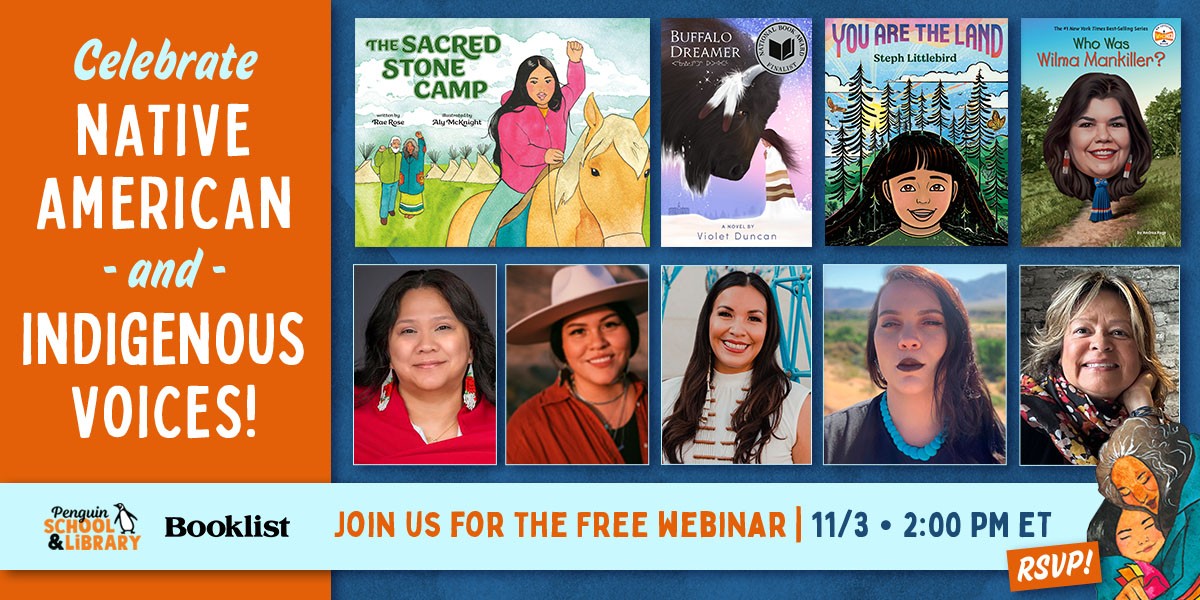
On November 3rd at 2:00 PM ET, Penguin School and Library and Booklist are offering a free webinar hosting five Indigenous creators: Andrea Page (WHO WAS WILMA MANKILLER?), Rae Rose and Aly McKnight (THE SACRED STONE CAMP), Violet Duncan (BUFFALO DREAMER), and Steph Littlebird (YOU ARE THE LAND). The creators will talk about their creative processes, inspirations, and the cultural significance of their latest and upcoming releases. Sign up to register for this free event.
Book Collection Suggestions
Related Books to Consider
- Ancestor Approved: Intertribal Stories for Kids edited by Cynthia Leitich Smith
- At the Mountain’s Base by Traci Sorell, illustrated by Weshoyot Alvitre; American Indian Youth Literature Award
- Autumn Peltier, Water Warrior by Carole Lindstrom, illustrated by Bridget George
- Being Home by Traci Sorell, illustrated by Michaela Goade
- Brave by Weshoyot Alvitre
- Bud Finds Her Gift by Robin Wall Kimmerer, illustrated by Naoko Stoop
- Buffalo Dreamer by Violet Duncan
- Can You Hear the Plants Speak? by Nicholas Hummingbird with Julia Wasson, illustrated by Madelyn Goodnight
- Charlotte’s New Moccasins by Jenn Moudahi, illustrated by Rhael McGregor
- Chooch Helped by Andrea L. Rogers, illustrated by Rebecca Lee Kunz; Caldecott Medal
- Firefly Season by Cynthia Leitich Smith, illustrated by Kate Gardiner
- Frybread: A Native American Family Story by Kevin Noble Maillard, illustrated by Juana Martinez-Neal; American Indian Youth Literature Award; Sibert Medal
- I Am My Name: A Girl’s Journey to Finding her Family by Na’kuset and Judith Henderson, illustrated by Onedove
- Indigenous Ingenuity by Deidre Havrelock and Edward Kay; nonfiction collection
- JoJo Makoons chapter book series by Dawn Quigley, illustrated by Tara Audibert
- Jingle Dancer by Cynthia Leitich Smith, illustrated by Cornelius Van Wright and Ying-Hwa Hu
- Kindred Spirits by Leslie Stall Widener, illustrated by Johnson Yazzie
- Legendary Frybread Drive-In: Intertribal Stories, edited by Cynthia Leitich Smith
- Let’s Go! by Julie Flett
- The Summer of Bone Horses by Virginia Driving Hawk Sneve and Steph Littlebird; middle-grade
- Tallchief: America’s Prima Ballerina by Maria Tallchief and Rosemary Wells, illustrated by Gary Kelley
- This Land by Ashley Fairbanks, illustrated by Bridget George
- Tana Cooks chapter book series by Stacy Wells
- Too Much by Laurel Goodluck, illustrated by Bridget George
- We Are Grateful by Traci Sorell, illustrated by Frané Lessac; American Indian Youth Literature Award; Sibert Honor, Orbis Pictus Honor
- We Are Water Protectors by Carole Lindstrom, illustrated by Michaela Goade; Caldecott Medal
- Wings of an Eagle by Billy Mills and Donna Jannell Bowman, illustrated by S.D. Nelson
- Yáadilá!Good Grief! by Laurel Goodluck, illustrated by Jonathan Nelson
- You Hold Me Up by Monique Gray Smith, illustrated by Danielle Daniel
Have a title to suggest? Scroll down to add it in the Comments section at the end of this post.
The biennial American Indian Youth Literature Award honors the best picture, middle grade, and young adult books by and about Native American and Indigenous peoples of North America. Find award-winning titles on the American Indian Library Association website or the American Library Association website.
Native American Heritage Month is celebrated throughout the month of November, but why limit learning about Indigenous peoples to one month?
Indigenous Reads Rising, an affiliate of We Need Diverse Books, is a valuable resource celebrating Indigenous children’s literature of Native Nations within the United States and Canada.
The website offers curated book lists arranged by topic and age category, resource guides, best practices and state-by-state resources identifying local tribes, nations, museums, cultural centers, history, and policies that relate directly to the land we live on and the students you might serve.
If you are an educator serving a predominantly Indigenous population, your school may be eligible for a Native Fund Book Donation of books written by Native-authors through Indigenous Reads Rising’s partnership with Hachette Book Group provided at no cost. Find the form here.
Recent Releases with Thanksgiving Themes
- Family Feast by Carol Boston Weatherford, illustrated by Frank Morrison
- Happy Friendsgiving: A Thanksgiving Celebration of Found Families by Marcie Colleen, illustrated by Laura Sandoval Herrera
- How to Say Thank You by Jean Reagan, illustrated by Lee Wildish
Please share this post with anyone you think might be interested: teachers, librarians, counselors, homeschoolers, parents, or authors. To receive the latest post each month, sign up here for free. We do not sell or share subscriber information.
Meet the Author
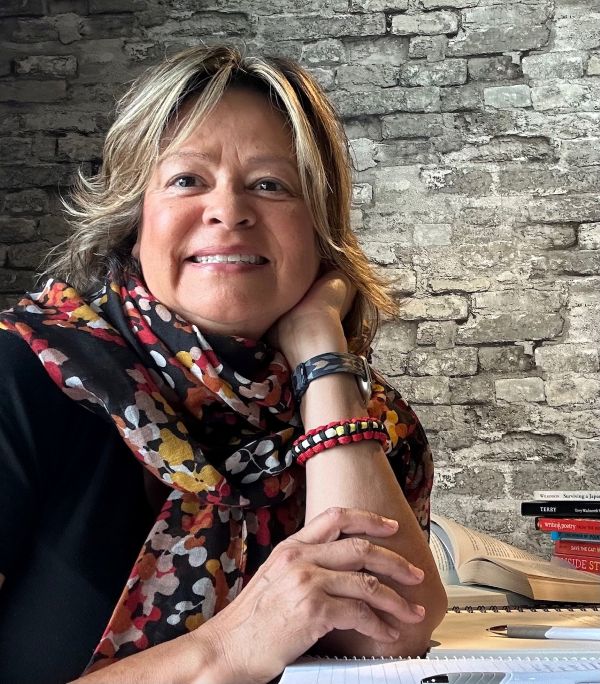
Backstory: Q & A with Andrea Page
I invited my friend, author and educator Andrea Page, to join me this month on Children’s Book Corner to celebrate the release of her chapter-book biography of Wilma Mankiller. Andrea is smart, kind, thoughtful, and passionate about sharing literature reflecting her culture with young readers. It is my pleasure to introduce you to her here.
Judy Bradbury: Who Was Wilma Mankiller? is part of the Penguin Workshop chapter book series Who HQ Headquarters for History that focuses on history and biographies. Tell us about this line of books.
Andrea Page: The popular WHO/WAS series (published by Penguin Workshop) includes illustrated biographies about significant historical figures. These artists, scientists, athletes, world leaders, etc. made major contributions in their field of expertise. They may have been first at something or may be the best at what they do. Subjects are chosen in advance, and the series follows a consistent structure.
Who Was Wilma Mankiller? highlights the life of Cherokee Nation’s first female Principal Chief. Wilma Mankiller grew up immersed in her Cherokee community and culture of Oklahoma. When her family moved to San Francisco as part of the Indian Relocation Program, she had to adjust to city life. Eventually, Wilma became a major political activist who never lost her dedication to her people.
JB: How did you develop the theme/focus of Who Was Wilma Mankiller?.
AP: I read and research before I begin to outline and write. Once I found a quote she made about her identity being tied to her community and her values, I knew I found a path for the story. Here’s what she said: “To think of myself outside the context of the tribe or my family or my community would be very difficult.” Wilma lost her home, her community and culture, and felt out of place when her family moved away from Oklahoma. California was a whole new world to her. Wilma eventually used her values and perseverance to return to her community and homeland. She used her skills to make a difference in Cherokee Nation and has inspired young women to pursue their dreams.
JB: Tell us about a challenge you faced in the creation of Who Was Wilma Mankiller?, or provide a memorable (or humorous!) anecdote related to the writing of the book.
AP: I’m always trying to find new sources for research. Podcasts have become popular, so I decided to do a quick search for Wilma Mankiller and was surprised by the number of episodes that popped up! One fabulous find was a 2009 interview posted by Voices of Oklahoma. I listened to Wilma’s voice and learned about her life experiences directly from her. That was a memorable moment.
JB: Recount one unexpected joy that came from the creation of Who Was Wilma Mankiller?.
AP: I discovered Wilma was an author of several books herself. Many of the significant events in her life are detailed in her autobiography. I really enjoyed reading her collection of Native women’s voices in her book Every Day is a Good Day as well as her poetry.
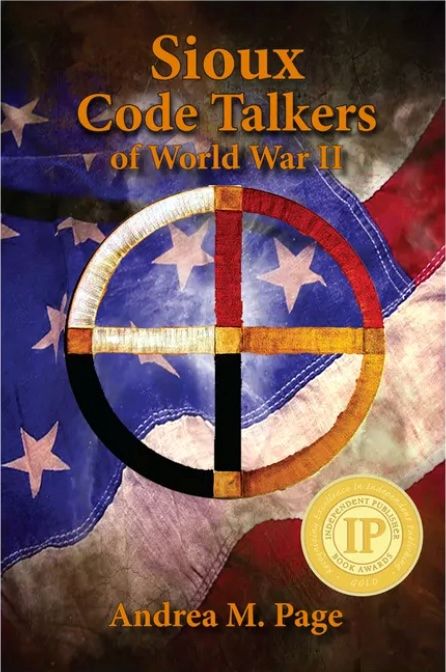
JB: How did your heritage inform the writing of this book, and your previous book, Sioux Code Talkers of World War II?
AP: I’ve learned more about my Native heritage as I’ve grown up. There are nearly 600 federally recognized tribal nations in the United States. I am an enrolled member of one of those nations. My mom grew up on the Standing Rock Reservation in South Dakota. We visit family there as much as we as we can, but I don’t have the lived experience like my mother. So, I am mindful of how I share my Native experience in my writing. Of course I research to make sure I’m including correct facts. Now that I’ve gained more knowledge, I’m very aware that my Lakota (Sioux) background may have similar values to Cherokee people, but we are also different. I wanted to be respectful of the Cherokee community, so I asked the publisher to use a Cherokee reader to make sure the cultural concepts were accurate. The publisher agreed.
I felt the same way about my book, Sioux Code Talkers of World War II. I consulted with several Lakota elders who lived on the reservation. They reviewed my manuscript before I started submitting it to publishers. It’s important to me to be as respectful and accurate as possible.
JB: Early in Wilma Mankiller, you mention Wilma’s resiliency and courage, referring to it as her “good mind”—a Cherokee value. Tell us more about Cherokee values.
AP: Wilma spoke about her ancestral ties. Her grandmother, who sang hymns at work, taught her to be joyful. Her aunties and uncles in Oklahoma, and the intertribal community in San Francisco, taught her about the spirit of community service. She relied on the Cherokee value of having a “good mind” (positive thinking) to navigate difficulties. And, she believed that people who worked together could achieve great things.
JB: What would surprise readers to learn about you or about the writing of Who Was Wilma Mankiller?.
AP: Even though I never met Wilma, I felt a strong connection to her while writing. Her life and work resonated deeply with me. Several months after I submitted my manuscript and met my deadline, I was diagnosed with cancer. The first person who popped into my mind was Wilma. I knew she endured many different physical ailments but always kept “a good mind” and would not let negative thoughts enter her mind. I decided I would follow her lead and hold onto positive thoughts and my faith to keep me strong. I’m happy to say I’ve made it through all my treatments, surgery, etc. and am staying hopeful that I’ll be cancer free for a long time.
JB: I am hoping that for you as well. In the book you highlight personal challenges Wilma overcame in her life as well as groundbreaking accomplishments . What do you consider her greatest achievement?
AP: I believe Wilma would say her greatest accomplishment was inspiring her daughters and other young women. She said, “If you want to see a leader, look in the mirror.” (P156, Tamrala Swafford Bliss, Wilma Mankiller: A Life in American History)
JB: Who do you perceive your book’s target audience to be and why?
AP: Readers at the 4th / 5th grade levels benefit from the length of the biography and the level of vocabulary used. I hope that all readers feel an emotional connection to Wilma’s life and legacy, as I do.
JB: What do you hope young independent readers will take away from Who Was Wilma Mankiller? / What need(s) does this chapter-book biography satisfy?
AP: Young readers can read for pleasure, enjoy the engaging illustrations, and learn about a significant leader along with some historical context of Wilma’s life.
JB: As a former educator, how do you see Who Was Wilma Mankiller? connecting to curriculum or being used in learning settings?
AP: 4.2c NYS SS Standards: Students will examine contributions of Native Americans that are evident today.
Wilma became the first Female Principal Chief despite prejudice against her. She brought clean water to impoverished communities on the Cherokee reservation. She focused on improving education and language programs as well as housing and health care for Cherokee Nation.
SEL connection – Wilma developed a healthy identity by relying on her Cherokee heritage to help her overcome her struggles.
JB: If you could ask your readers a question, what would it be?
AP: I discovered that Who Was Wilma Mankiller? is the first Native authored biography in the series. If you could choose the next modern-day Native person to read about, who do you think should be included in the series? Rank the top three in order of your preference:
- John Herrington (Chickasaw, Astronaut)
- Oren Lyons (Onondaga/Seneca, All-American athlete, activist, environmentalist)
- Sam McCracken (Sioux/Assiniboine, Founder Nike’s N7 shoe line)
- Billy Mills (Lakota, Gold Medal Olympian)
- Elizabeth Peratrovich (Tlingit, Equal Rights Activist)
- Ola Mildred Rexroat (Lakota, WWII Women’s Air Force Service Pilot)
- Wes Studi (Cherokee, Oscar winning actor, artist, musician)
Hint: you’ll need to become a mini-researcher and find out more about each person. Remember, the goals of the series: the first at something or the best at something.
JB: What project(s) are you currently working on?
AP: I’m revising two biographies and a science picture book with a humorous character in a ridiculous scenario.
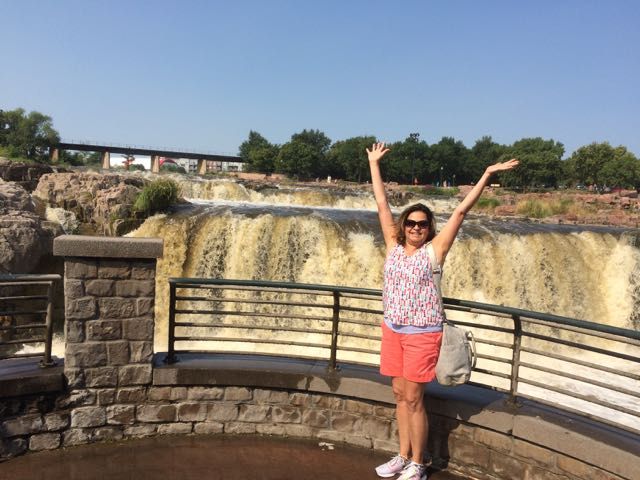
Andrea celebrating the launch of her first book in Sioux Falls.
JB: What is one question you wish I had asked, and what is your answer?
AP: How has Wilma been recognized for her accomplishments?
Answer: Wilma received numerous awards in her lifetime, most notably the Presidential Medal of Freedom (1998) for her contributions to Cherokee Nation. Recently, the U.S. Mint launched a Wilma Mankiller quarter (2022) honoring her legacy.
Meet the Illustrator of Who Was Wilma Mankiller?
Stephen Marchesi is an illustrator who work has appeared on over 500 book covers, posters, record and CD covers, and more than seventy picture books.
Sidebar Spotlight New releases of note
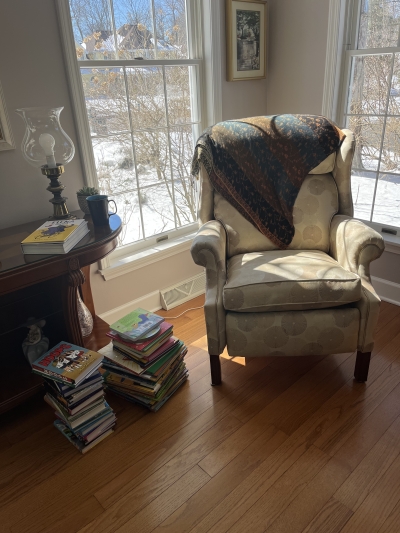
Each month I receive several boxes of books to review from various publishers. As I read and peruse the books, I place them in two piles: those that I will consider featuring on the blog, and those that don’t fit the mission or theme of Children’s Book Corner blog for whatever reason. I highlight books in the “possible” pile on most Mondays on Instagram and Bluesky. Ultimately, I choose the one new release I will feature on my monthly blog post. Yet there are many terrific books I wish I could give a shout-out to, even if I can’t write an entire post about each one. So, Sidebar Spotlight is a means of giving a nod to new releases that, in my opinion, are noteworthy. I’ve linked each title to Bookshop so you can learn more. Happy reading, friends! And feel free to comment on these or other new books in the Comments section at the end of this post.
The Echo People by debut children’s author SD Youngwolf and illustrated by award-winning artist Shonto Begay offers a thoughtful message: treating the world with kindness, patience, and positivity impacts our perspectives and reality. New Voices Award Winner; Grades 1-3.
Late Today by Jungyoon Huh, illustrated by Myungae Lee, and translated by Aerin Park reminds us to take a moment to do what’s right even in the midst of busy lives and hectic schedules. A cat is rescued on a traffic-clogged bridge, and despite everyone being late, it is a good day. Grades 1-2.
Limelight: Curtain Up on Poetry Comics! by Renée M. LaTulippe and illustrated by Chuck Gonzales is an enjoyable mix of poetry and graphic arts. Featuring an array of points of view, readers follow a play as it progresses from auditions to opening night. Accessible and humorous. Excellent back matter explains poetic forms and theater terminology. Grades 4-6.
Thanks for reading Children’s Book Corner! If you would like monthly posts delivered free to your inbox, sign up here. We never sell or share subscriber information.
News, Updates, & Items of Interest
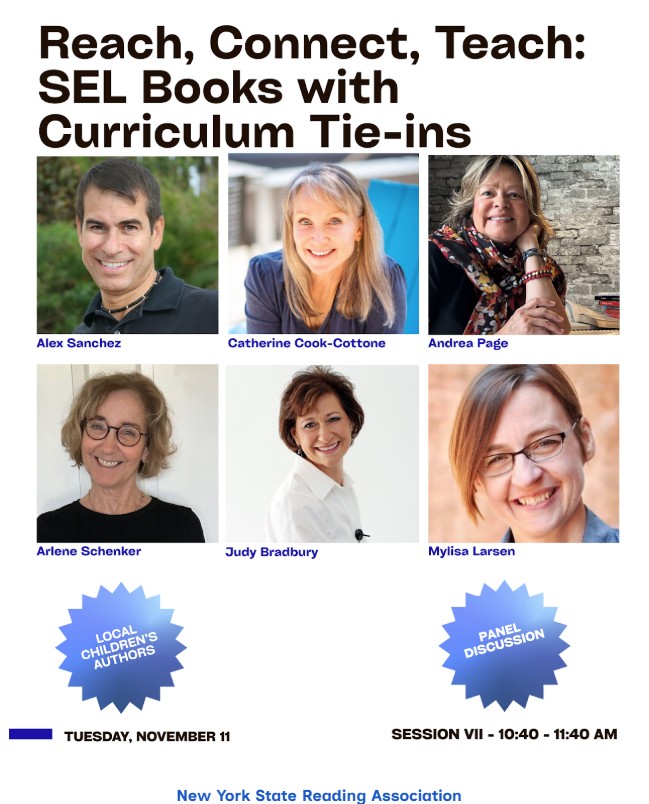
I’m honored to be speaking at the New York State Reading Association annual statewide conference, being held November 9-11. I will be leading a panel discussion titled, “Reach, Connect, Teach: SEL Books with Curriculum Tie-ins” and am looking forward to sharing the podium with outstanding K-12 authors, Catherine Cook-Cottone, Mylisa Larsen, Andrea Page, Alex Sanchez, and Arlene Schenker.
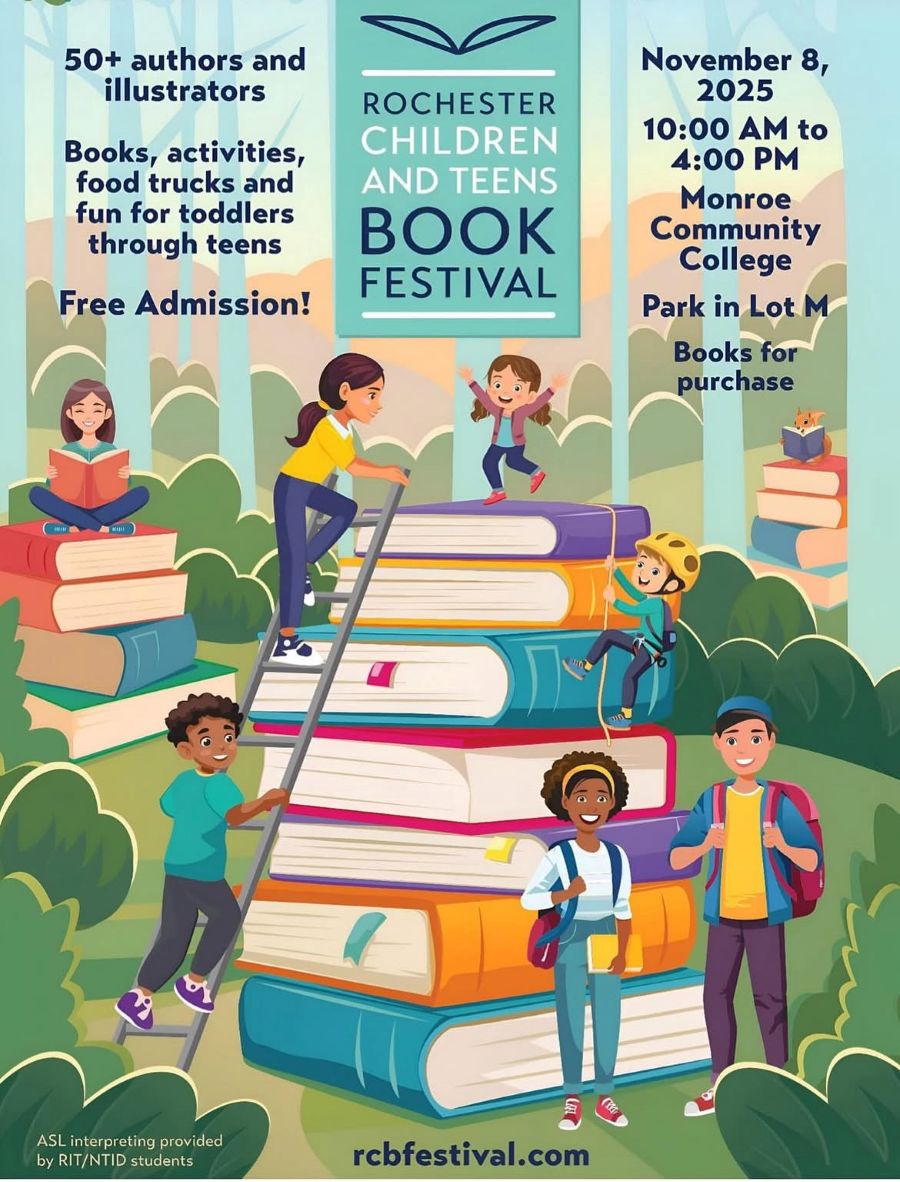
I’m looking forward to returning to the Rochester Children and Teens Book Festival this year on November 8, joining over fifty authors and illustrators from across the country! If you are in the Western New York area, don’t miss this awesome book event for the whole family.
You can find more information about where my books and I will be on my Events page.
You can find me on Instagram, Bluesky, and LinkedIn where I post about books, book-related items of interest, Little Free Libraries, and occasionally travel (exclusively on IG). Connect with me there!
I am currently booking school visits and professional development sessions for the 2025-26 school year. Find information and contact me to discuss a visit tailored to meet your school’s needs.
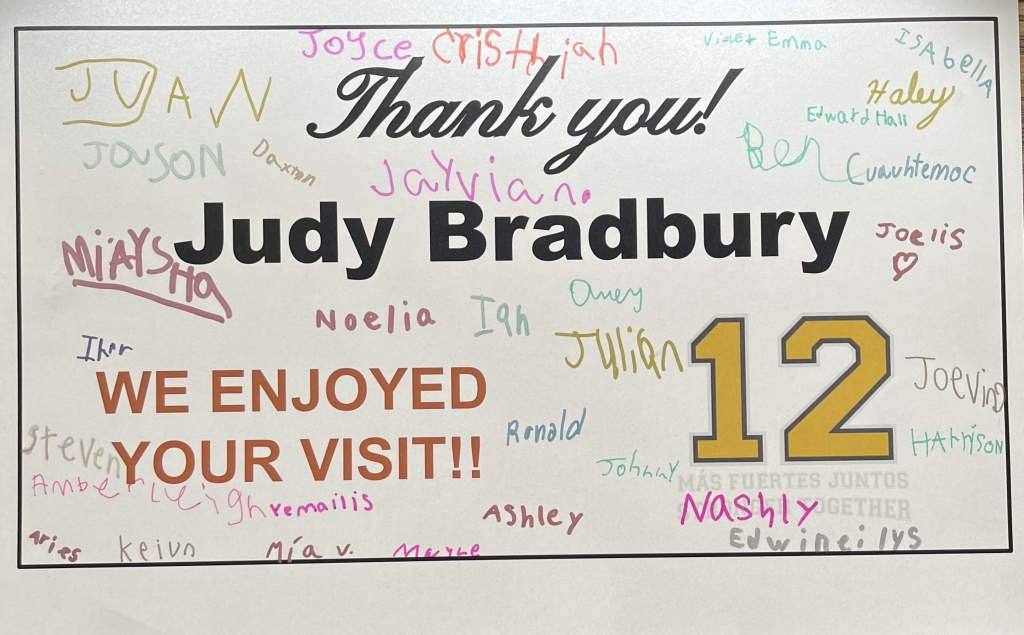
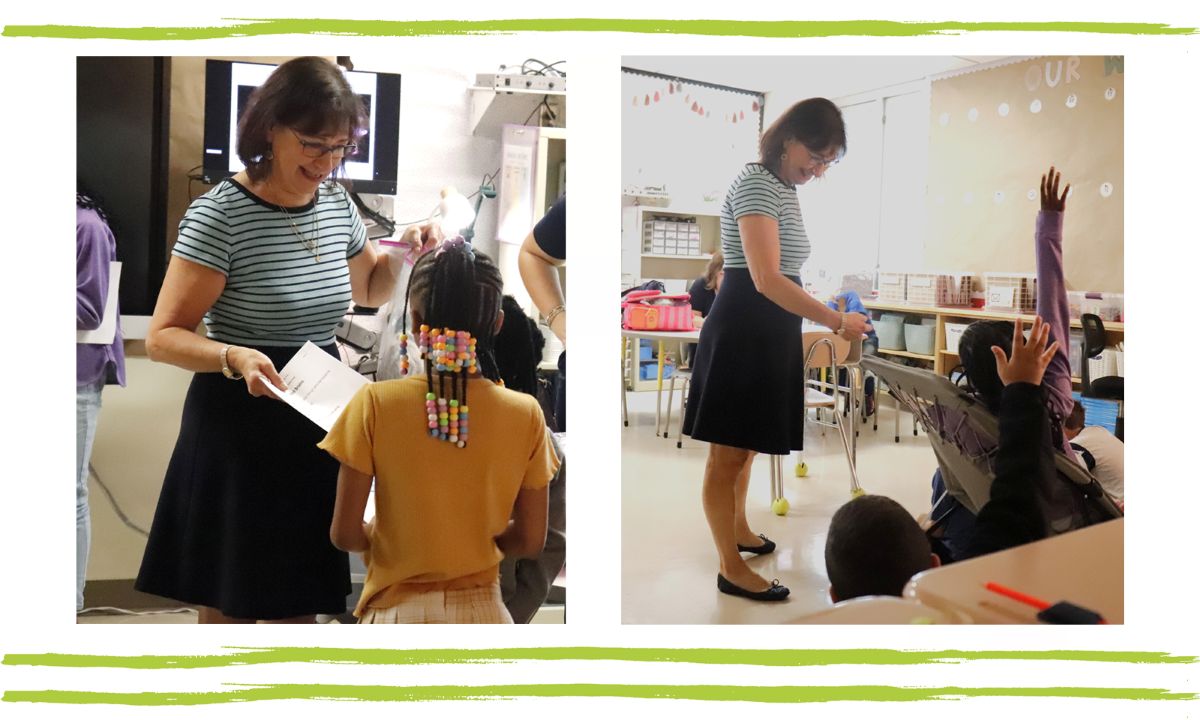
Photo credit: Jody LaRose
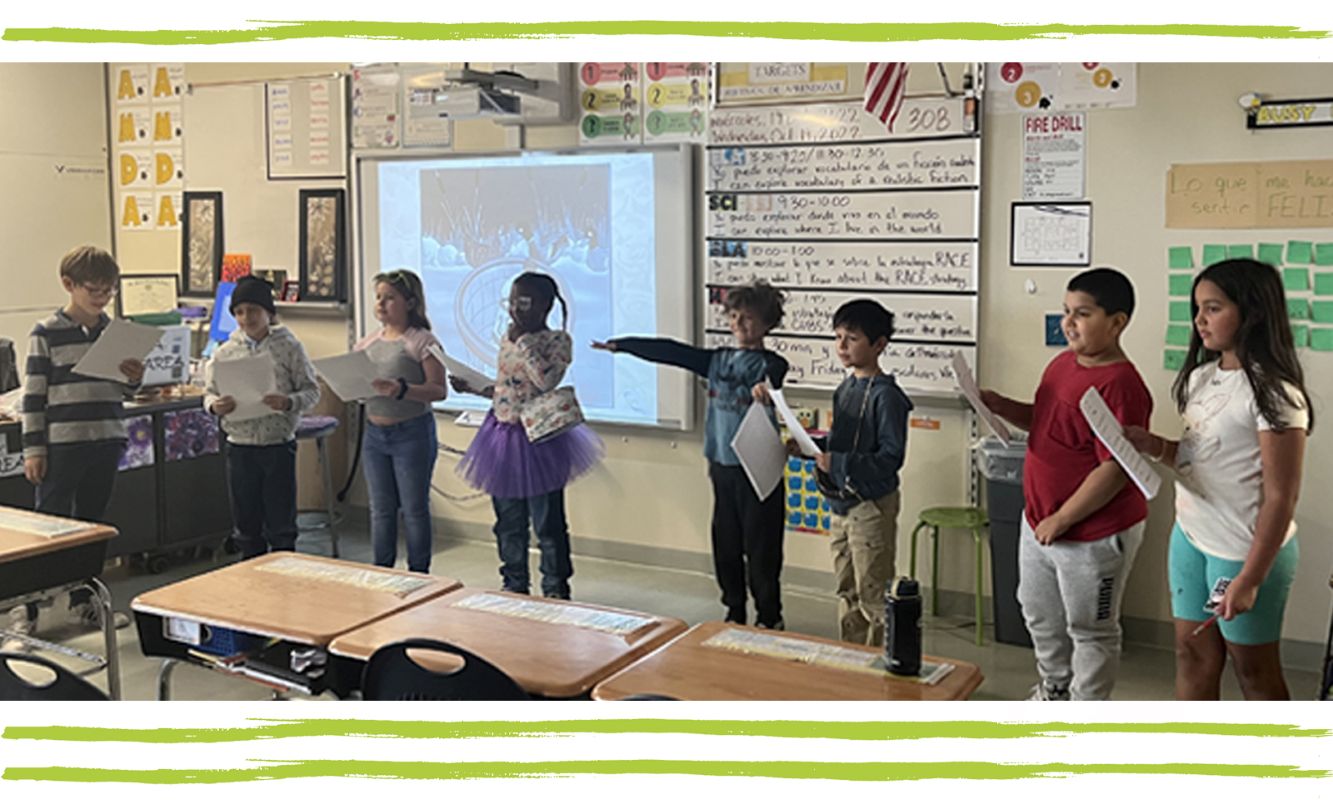
Readers Theater, with props! Cayuga Island Kids Book 2, The Adventure of the Big Fish by the Small Creek
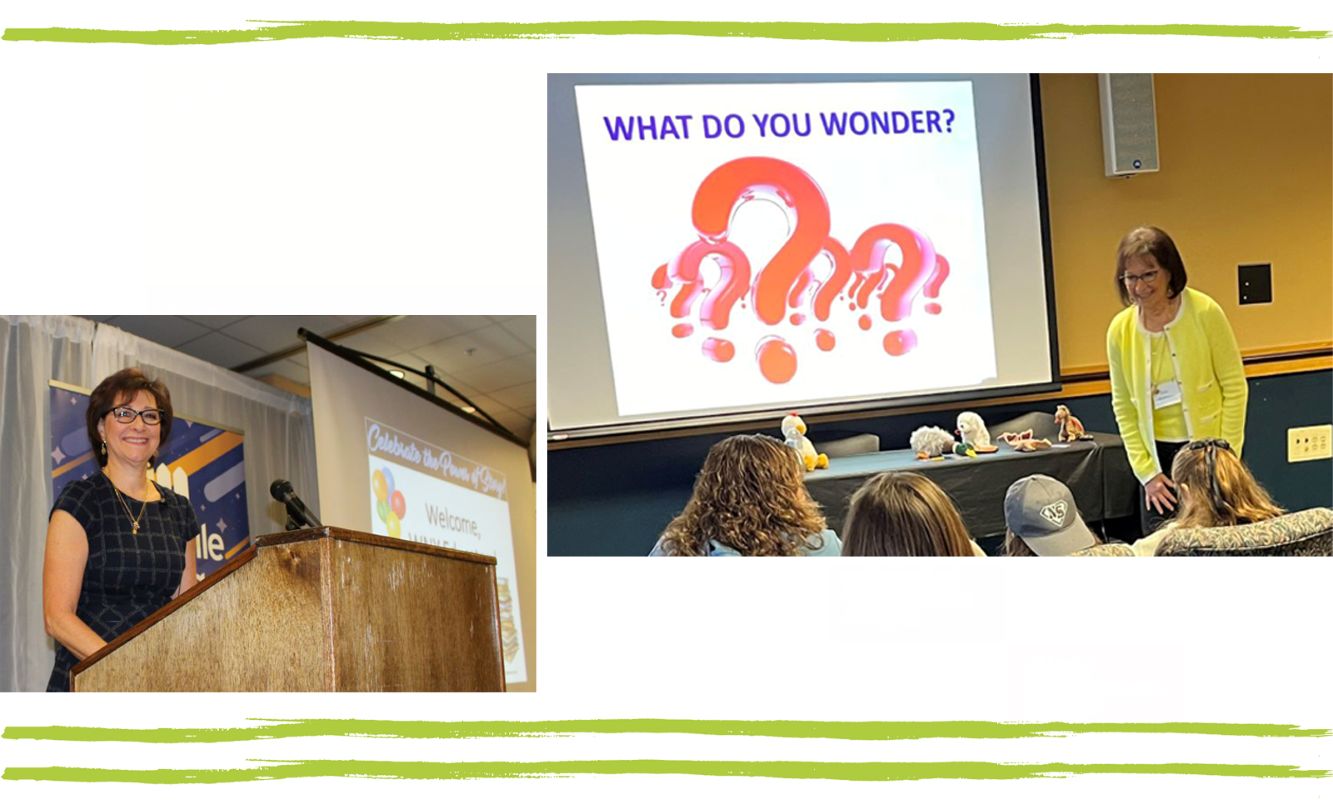
Small and large group presentations
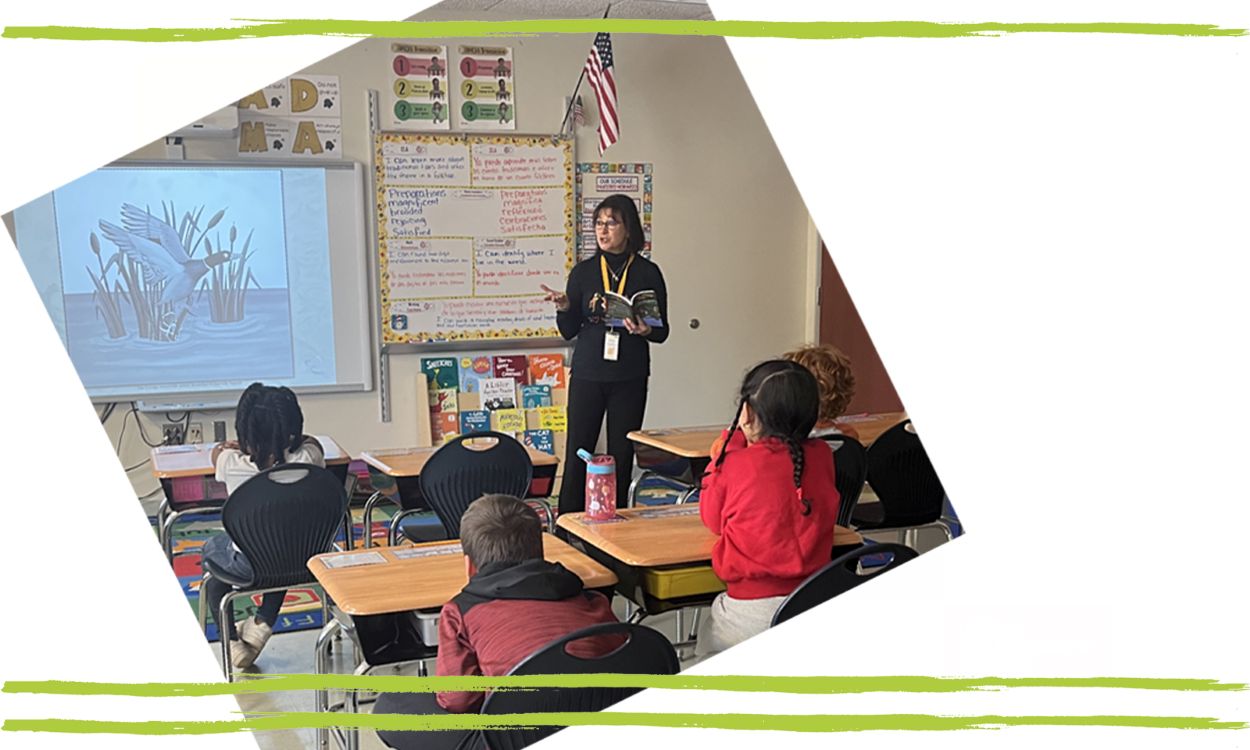
Note received following a recent school visit:
Thank you so much for coming to meet with my students. You were wonderful, answering their questions and explaining how you wrote the book. We all loved it! Here are some illustrated thank you notes the students made for you. Thank you again!
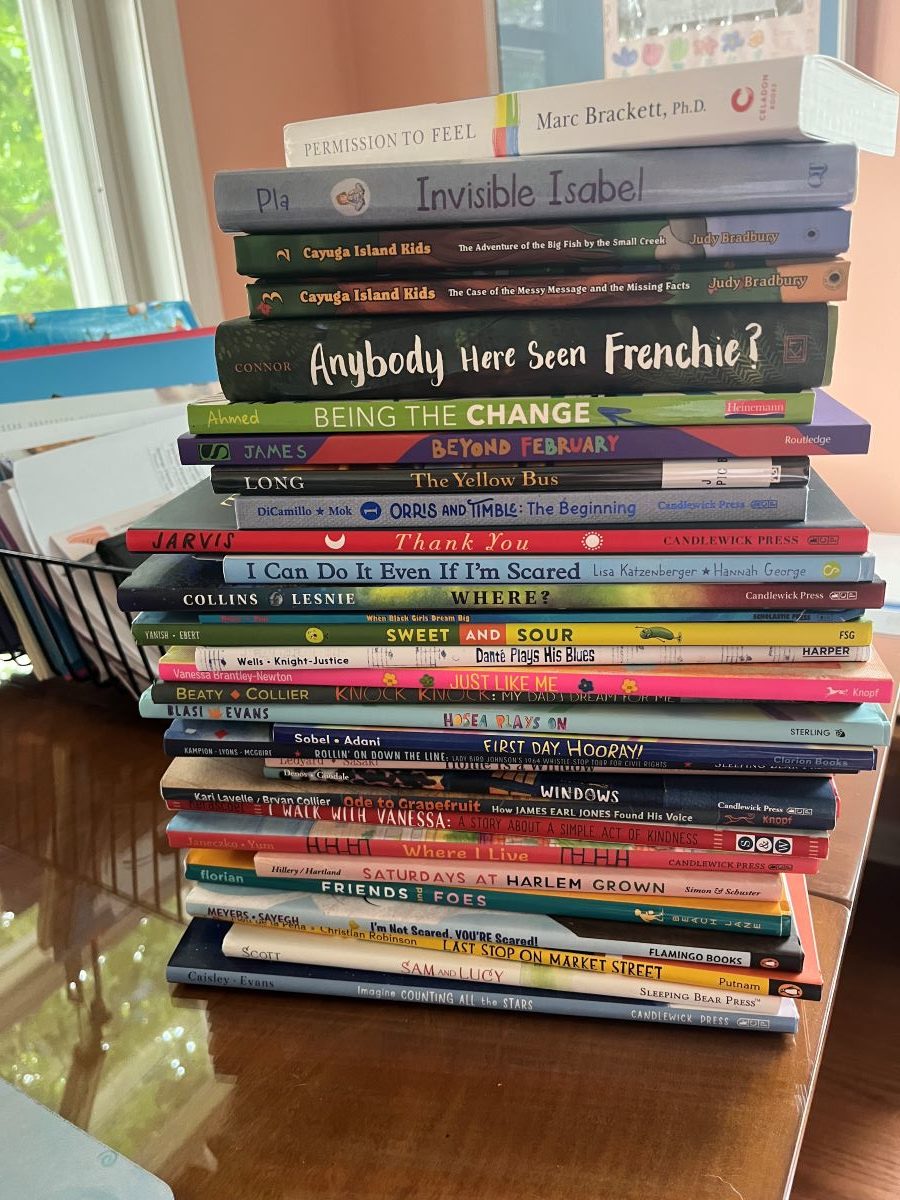
And here’s a note regarding my professional development session, “SEL-Related Children’s Books with Curriculum Tie-Ins” offered to teachers and librarians of Grades Pre-K—Grade 6:
Thanks so much for presenting! I heard wonderful things about your workshop! One person mentioned to me that you were so organized and passionate. They also loved seeing all the children’s books you brought with you!
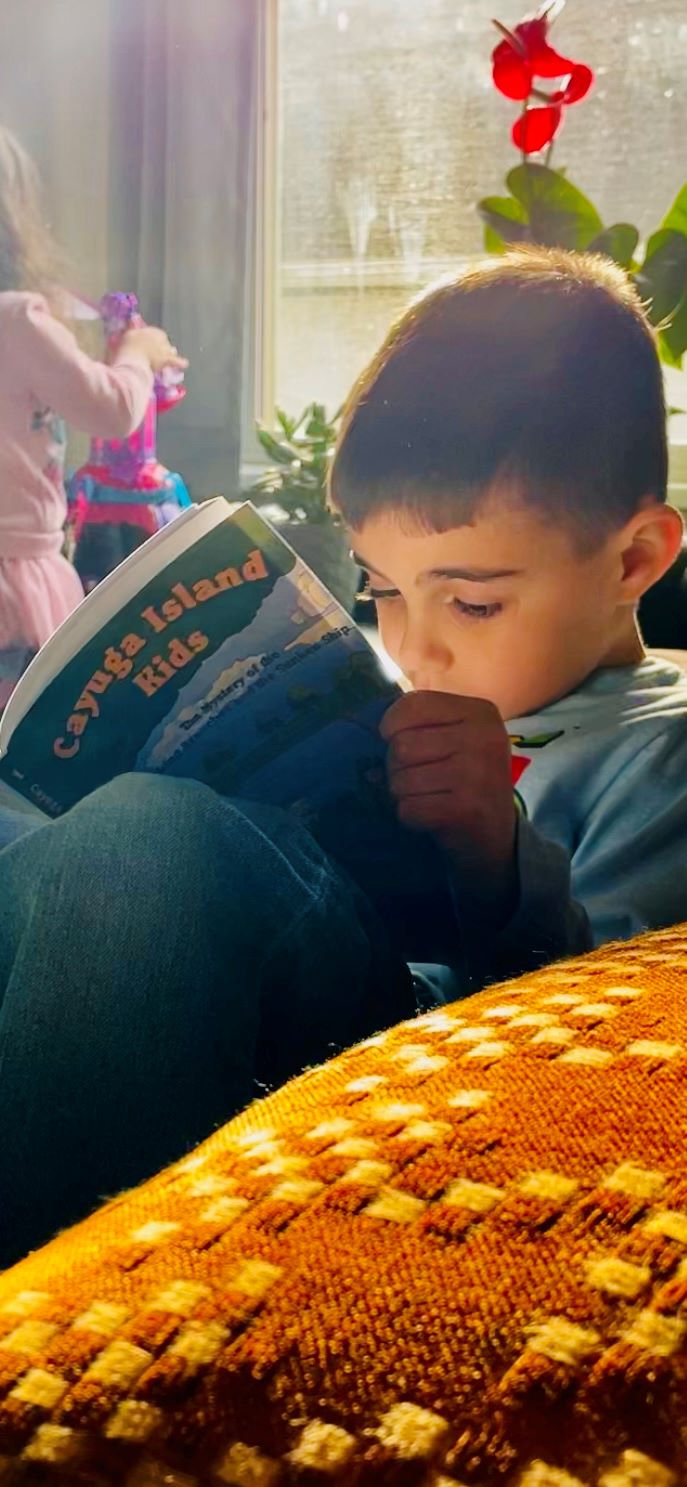
Find my books packaged as a series at your favorite bookshop or purchase directly from the publisher and receive a gift with purchase! Individual titles are also available in hard, softcover, and e-book versions.
Kindness tip: If you read and like a book, consider posting a review on GoodReads, social media, or on Amazon (if you bought it there). Authors and illustrators appreciate the shout-out. Even a one-sentence comment increases visibility of a book. Also consider placing a request with your local library to purchase a copy–another free way to support a book you recommend!
Over to You…
Join the conversation! Offer your thoughts related to this month’s post:
What book celebrating Native American heritage do you recommend? Share the title, author, illustrator, and suggested age or grade range.
You are also welcome to post a general comment.
Thanks for sharing!
Final Thought
“In Iroquois society, leaders are encouraged to remember seven generations in the past and consider seven generations in the future when making decisions that affect the people.”
~ Wilma Mankiller
That’s it for this month! Like what you’ve read today? Have Children’s Book Corner delivered to your inbox each month. Sign up for free! We never sell or share subscriber information.
Loved reading your interview of Andrea! Wilma Mankiller sounds both interesting and inspiring, as does Andrea.
Thank you, both, for the diligent, good work you do!
Thanks for reading, Marsha, and for your kind comments. I agree that Andrea is inspiring, and Wilma Mankiller certainly was, too!
I love the Who Was series; the books are so inviting for young readers. How exciting to see another Native American title emerge in this series! Thank you, Andrea, for telling Wilma Mankiller’s story; she sounds truly inspirational. And thank you as always, Judy, for highlighting another great book and author.